This is the time of year when things start to settle into focus. For the Toronto Maple Leafs, roster decisions are being evaluated, and the most interesting information is coming from places fans don’t immediately look.
And that’s where this edition sits. Three separate items, all pointing in slightly different directions, but circling the same idea: opportunity. The American Hockey League (AHL) Toronto Marlies are still playing meaningful hockey, and that’s important. At the same time, other decisions are being made about depth players and even the franchise’s long-term identity.
Item One: Hildeby Helps Marlies Push Forward After Statement Win Over Rochester
The Marlies are moving on, and they did it behind a composed performance from Dennis Hildeby. In a 4–2 win over the Rochester Americans on Sunday night, Toronto punched its ticket to the North Division Semifinals against the Laval Rocket, and the defining presence in the game was stability in goal.
After the series began with Artur Akhtyamov, the Marlies turned to Hildeby in a must-win setting. He responded with 29 saves on 31 shots, including a flawless 9-for-9 third period when Rochester pushed for the equalizer. It wasn’t a highlight performance; it was something more valuable in playoff hockey: control. When the game tightened, he didn’t.

What makes it more interesting is the broader season context. Hildeby has lived between two levels, appearing for both the Marlies and the Maple Leafs, and learning to manage that back-and-forth rhythm. His NHL numbers—2.80 goals-against average and a .914 save percentage—suggest a goalie still forming his identity at the top level, but not overwhelmed by it. With a three-year extension already in place, performances like this don’t just help the Marlies move on—they reinforce his place in the organization’s future plans.
Item Two: Groulx Makes His Case — Late-Season Surge Could Earn Bigger Role
Then there’s Benoit-Olivier Groulx, who is one of those players you only fully notice when the roster thins out, and opportunity appears. When the Maple Leafs leaned on their Marlies depth late in the season, Groulx wasn’t the headline name—but he ended up being one of the more stable contributors.
He led the Marlies with 28 goals and 24 assists in 59 games, showing he could drive offence at that level. When he moved up, he recorded five points in 12 games with the Maple Leafs, including three goals. The numbers aren’t overwhelming, but they are steady enough to matter in the context of a bottom-six role with limited runway.

(John E. Sokolowski-Imagn Images)
What stands out is how he played. Direct, predictable in the best way, and willing to go to areas of the ice where production doesn’t always feel comfortable. For a team that spent parts of the season searching for dependable depth scoring, that has value. The real question is whether it’s a short-term spike or something repeatable over a longer sample.
Item Three: Legacy, Identity, and the Underused Edge in Toronto
The more subtle layer in all of this sits away from the ice. The Maple Leafs have a clear but underused opportunity to connect their present to their past. The organization has one of the richest histories in hockey, yet that history doesn’t seem to live inside the current room.
For players like Auston Matthews, that matters more than it might seem from the outside. At a certain point in a career—especially when contracts are already massive—the decision to stay somewhere stops being purely financial. It becomes about identity. Players start asking quieter questions: do I feel connected here, do I feel respected here, and does this place still matter to me beyond my playing years?
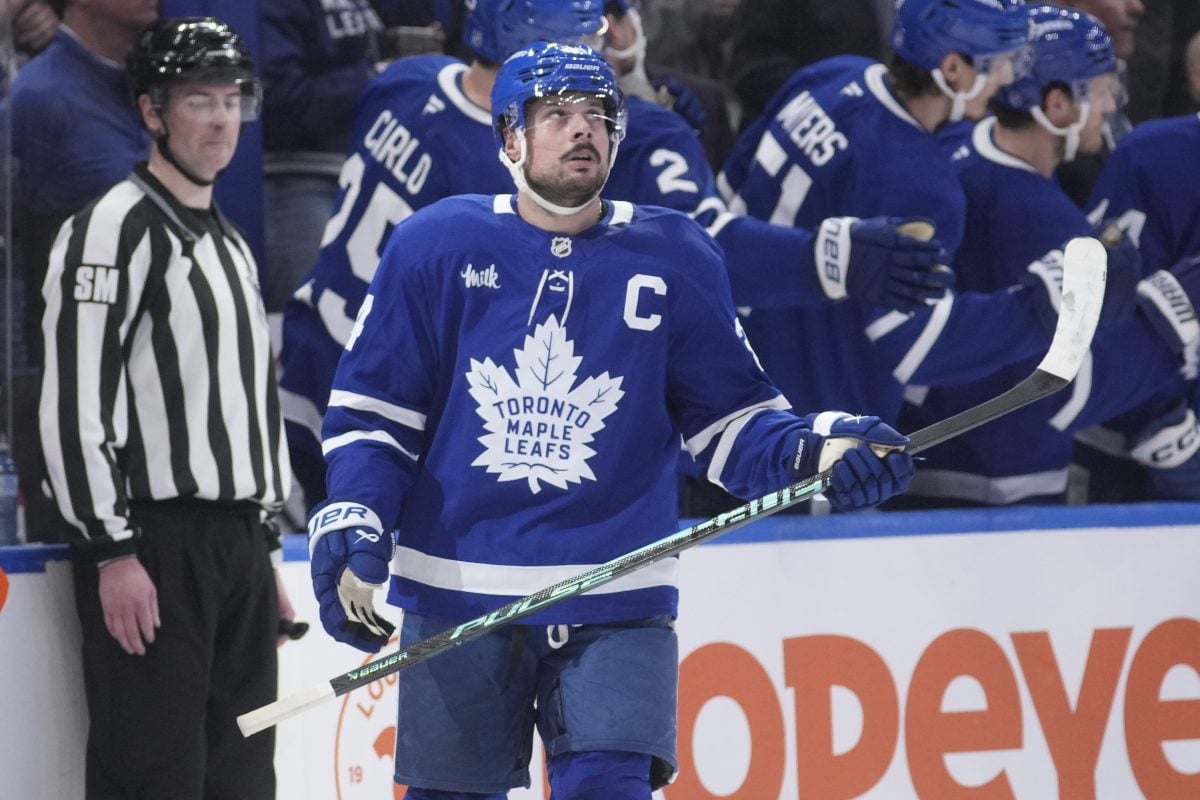
That’s where Toronto hasn’t fully leaned in. Bringing former icons like Mats Sundin into a more visible, ongoing presence around the team isn’t just nostalgia. It’s a practical action. It creates continuity between eras. When current players see that past greatness is still present, still valued, and still part of the organization’s daily life, it builds something that contracts alone can’t.
For players watching from the bench or inside the room, that environment shapes perception, not through pressure, but through belonging. It starts to create a simple but powerful mindset: this is where I want to be, not just now, but after everything else too. Where does a player feel honoured, respected, and valued? If the Maple Leafs can make their players feel that way, they can do a better job of keeping them around.
What’s Next for the Maple Leafs?
For the Maple Leafs, the next step isn’t a single move—it’s a layering process. The top end of the roster is established, but the middle and bottom are still being defined through opportunity rather than certainty. Players like Groulx are part of that evaluation, while Hildeby represents longer-term structural depth in goal.
But the larger question is cultural. Can Toronto turn its history into something active? Can it turn opportunity into identity, not just roster churn? Because in the end, teams don’t just retain players with money or minutes alone. They hold them with the belief that the place they’re in actually means something beyond the next game.
Free Newsletter
Get Toronto Maple Leafs coverage delivered to your inbox
In-depth analysis, breaking news, and insider takes - free.
Subscribe Free →