The Pittsburgh Penguins still have plenty of questions entering the 2026-27 season, but the picture is not all negative. This is not a finished roster, and it would be a mistake to pretend every offseason move has pushed Pittsburgh back into the top tier of the Metropolitan Division. Still, there are real reasons to believe the Penguins can be more competitive than some expect.
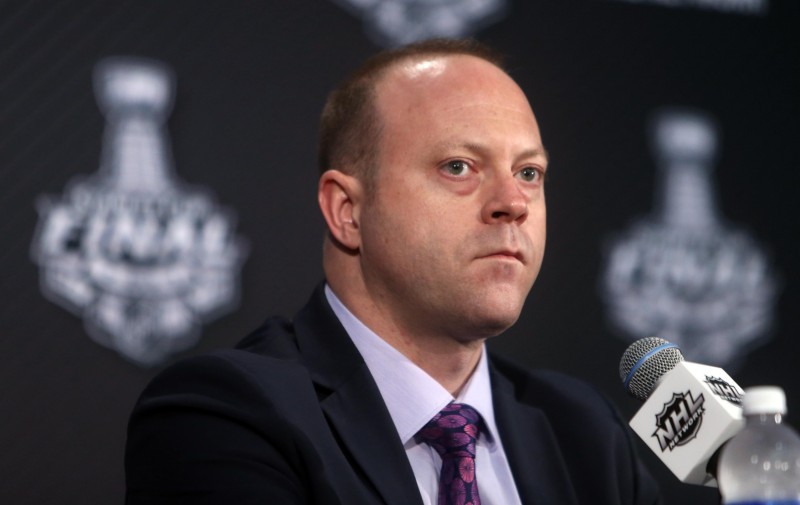
President of hockey operations and general manager Kyle Dubas has added younger players, kept cap flexibility, and created more internal competition across the roster. Pittsburgh is not built like a traditional contender anymore, but it also is not entering the season without upside. If the right players take steps, the team could stay relevant deeper into the year.
Here are five reasons for optimism entering 2026-27.
1. Sidney Crosby Is Still the Foundation
Sidney Crosby remains the easiest reason to believe in the Penguins. Even with the roster changing around him, he continues to give Pittsburgh a top-line driver who can still control games, elevate linemates, and keep the team competitive.
His production has not disappeared. Crosby finished last season with 29 goals, 45 assists and 74 points in 68 games, keeping him above a point-per-game pace again. For a player deep into his career, that level of consistency is still remarkable.
Pittsburgh’s center question remains unsettled behind him, but Crosby keeps the top of the lineup stable. The Penguins can still build a dangerous first line around him, and his presence gives head coach Dan Muse a reliable starting point before sorting through the rest of the forward group.

Crosby also gives the younger players a better environment. Ben Kindel, Egor Chinakhov, Nicholas Robertson, Rutger McGroarty, and Ville Koivunen all benefit from being around a player who sets the standard every day. The Penguins are trying to transition without tearing everything down, and Crosby is the biggest reason that approach still has credibility.
2. The Young Forwards Have More Upside
The Penguins have spent years needing younger forwards to become more than future hope. Entering 2026-27, they finally have several who could push the NHL roster in different ways.
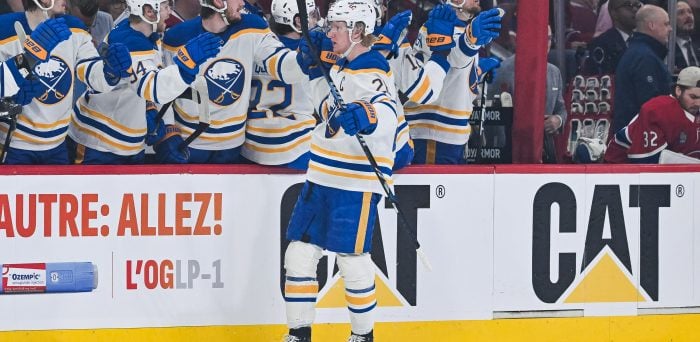
Kindel is the most obvious name. He produced 17 goals, 18 assists and 35 points in 77 games as a teenager, and his ability to play center or wing gives Pittsburgh more lineup flexibility. If he takes another step, the Penguins could have a cheap young forward who helps right away.
Chinakhov gives Pittsburgh a different type of optimism. His 18 goals and 36 points in 43 games after arriving from Columbus showed real top-nine scoring ability. A full season in Pittsburgh will determine whether that surge becomes a long-term piece of the forward core.
Robertson adds another layer after signing his new two-year contract. His shot gives the Penguins a skill they needed, and his age still leaves room for growth. Robertson’s new deal raised a bigger role question, but the upside is clear if he earns the right opportunity.
McGroarty and Koivunen should not be ignored either. McGroarty’s crowded NHL path is one of the more important camp stories, while Koivunen still has enough skill to force his way back into the conversation. Pittsburgh does not need every young forward to break through, but two or three meaningful steps would change the roster’s outlook quickly.
3. The Goalie Room Has Real Upside
Goaltending may be the riskiest part of Pittsburgh’s roster, but it is also one of the more intriguing areas. The Penguins are moving forward with a much younger group, and while that creates uncertainty, it also gives the organization more long-term upside than a veteran stopgap plan.
Artūrs Šilovs is the most NHL-tested option. Sergei Murashov is the highest-upside prospect. Joel Blomqvist remains an important depth piece. Together, they make Pittsburgh’s crease difficult to project.
The young goalie situation could become one of the biggest swing factors on the team. Pittsburgh is asking an inexperienced group to replace more veteran minutes, and that comes with real risk. It also gives the Penguins a chance to find internal value at a position where outside solutions can become expensive fast.
Murashov’s American Hockey League (AHL) work keeps him at the center of the long-term conversation. If he forces his way into NHL time, the entire goalie plan becomes more exciting. Blomqvist’s contract also keeps Pittsburgh protected if injuries or inconsistency hit.
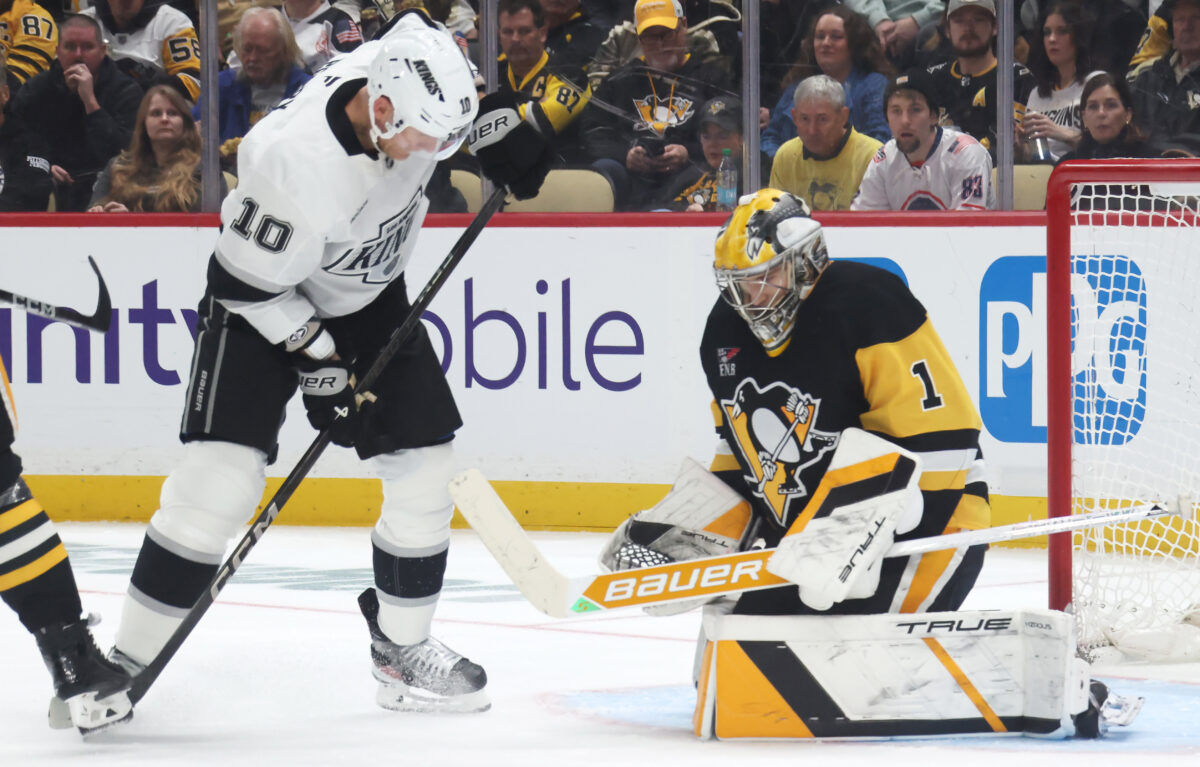
The Penguins’ biggest goalie questions begin with stability, but there is a path for this group to outperform expectations. If Šilovs holds up and Murashov keeps pushing, Pittsburgh’s floor becomes much higher than it looks today.
4. Dubas Still Has Room to Work
The Penguins are not boxed in financially, which gives Dubas more ways to adjust before or during the season. Pittsburgh’s cap space leaves room for another move if the market creates an opening.
That flexibility is important because the roster still has needs. The Penguins could use more clarity at center, more certainty on the left side of the blue line, and possibly another forward if the right short-term opportunity appears. Having room to move gives Dubas leverage instead of forcing him to overreact.
With Anthony Mantha now off the market after signing a two-year, $9.5 million contract with the New Jersey Devils, the Penguins will have to look elsewhere if they want another veteran scoring winger on a short-term deal.
The Penguins’ Metro gap remains real, but cap flexibility gives them a way to keep working. If the young players show enough and the team stays close, Dubas can still add. If the season turns the other way, he has movable veterans and room to reshape the roster again.
5. The Schedule Gives Pittsburgh Direct Chances
The Penguins will not have to guess where they stand for long. Their 2026-27 schedule gives them plenty of direct chances against the teams they need to chase.
The final stretch is especially important. Pittsburgh’s last 23 games after Feb. 23 are all against Eastern Conference opponents, and 11 of the final 12 come against Metropolitan Division teams. That creates a difficult finish, but it also gives the Penguins control over their own movement in the standings if they are still close.
There is a challenge in that setup. A young goalie group, a crowded forward room, and an older veteran core will all be tested during an 84-game season. The Penguins also have 15 sets of back-to-backs and a six-game road trip after the All-Star Break, which will put pressure on depth.
Still, direct division games create opportunity. If Pittsburgh is better than expected, those late Metro matchups can become a path upward instead of only a danger. The Penguins’ toughest schedule stretches will reveal a lot about their depth, but the same games can also help them prove the roster is more competitive than the outside view suggests.
Penguins Have a Path to Surprise
The Penguins are not a safe bet. They have too many unresolved questions to be viewed that way. The center group needs answers, the blue line still has balance concerns, and the goalie room is built on projection more than certainty.
Optimism still exists because the path is visible.
Crosby remains a star. The young forwards have more upside than Pittsburgh has had in recent years. The goalie group could grow into something useful. Dubas still has cap room and roster flexibility. The schedule gives the Penguins enough direct Metro chances to change their own standing.
Pittsburgh does not need everything to go right. It needs enough internal growth to make the roster less dependent on the same veterans carrying every difficult stretch. If Kindel, Chinakhov, Robertson, Murashov, Šilovs, or another young player takes a major step, the season looks different.
The Penguins still have work to do, but they are not out of reasons to believe.
Free Newsletter
Get Pittsburgh Penguins coverage delivered to your inbox
In-depth analysis, breaking news, and insider takes - free.
Subscribe Free →