The Pittsburgh Penguins have made their offseason more interesting. That is not the same as making themselves clearly better than the teams they are chasing.
That is the uncomfortable part of where Pittsburgh stands right now. President of hockey operations and general manager Kyle Dubas has added players, created competition and kept the roster flexible. The Penguins have more options than they did when the offseason began, and that matters for a team trying to stay competitive around Sidney Crosby while also preparing for a future that is getting closer.
Still, the Metropolitan Division does not grade on creativity. It grades on wins, matchup advantages and whether a team has enough high-end talent to separate from the middle. That is where Pittsburgh’s offseason still feels incomplete.
The Metropolitan Division offseason picture put the Penguins sixth, behind several teams that either added more impact talent, already had a stronger foundation or entered the summer with fewer major questions. That does not mean Pittsburgh had a bad offseason, but it does show the difference between improving a roster and actually closing the gap.
Penguins Made Their Roster More Interesting
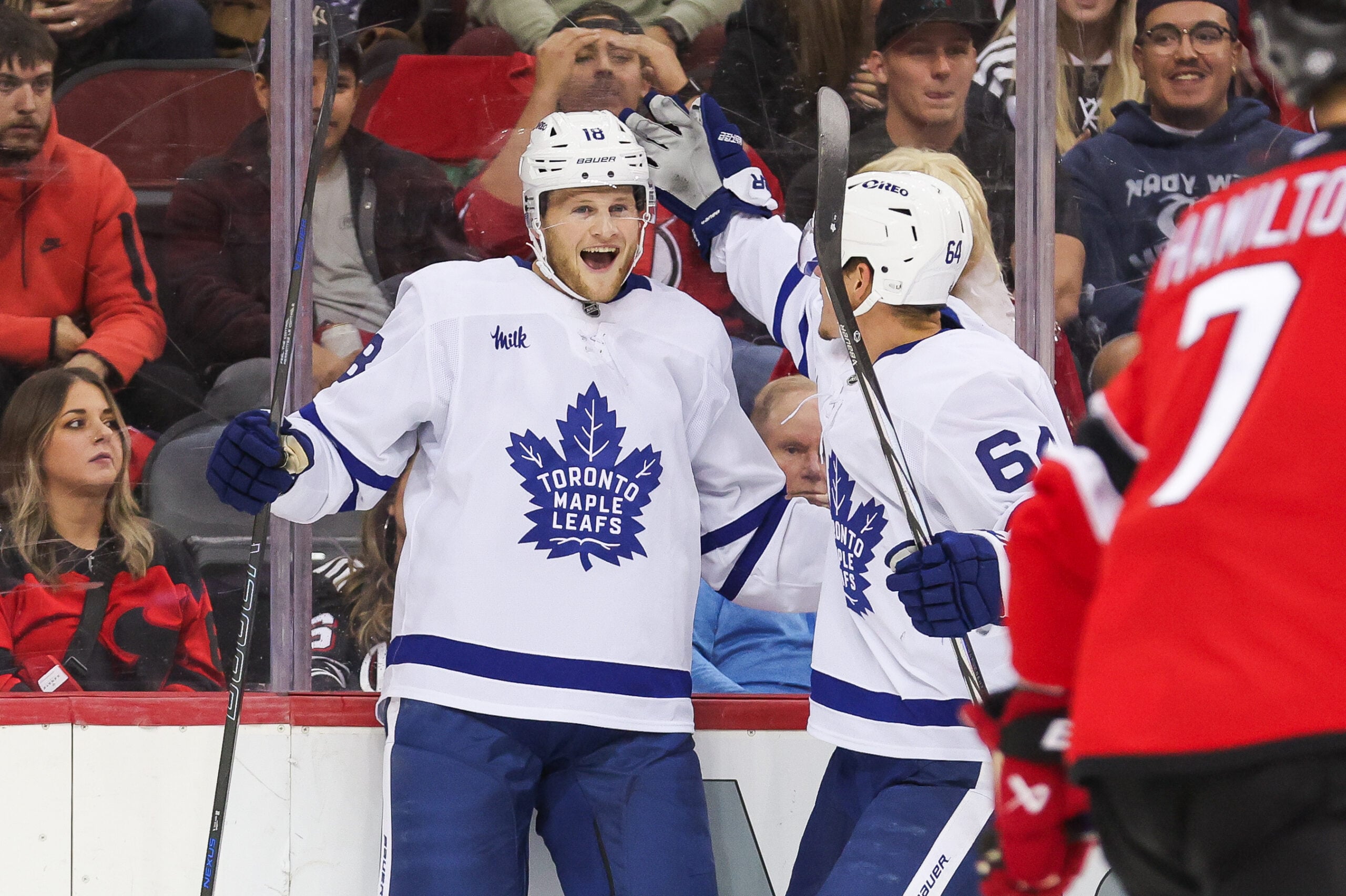
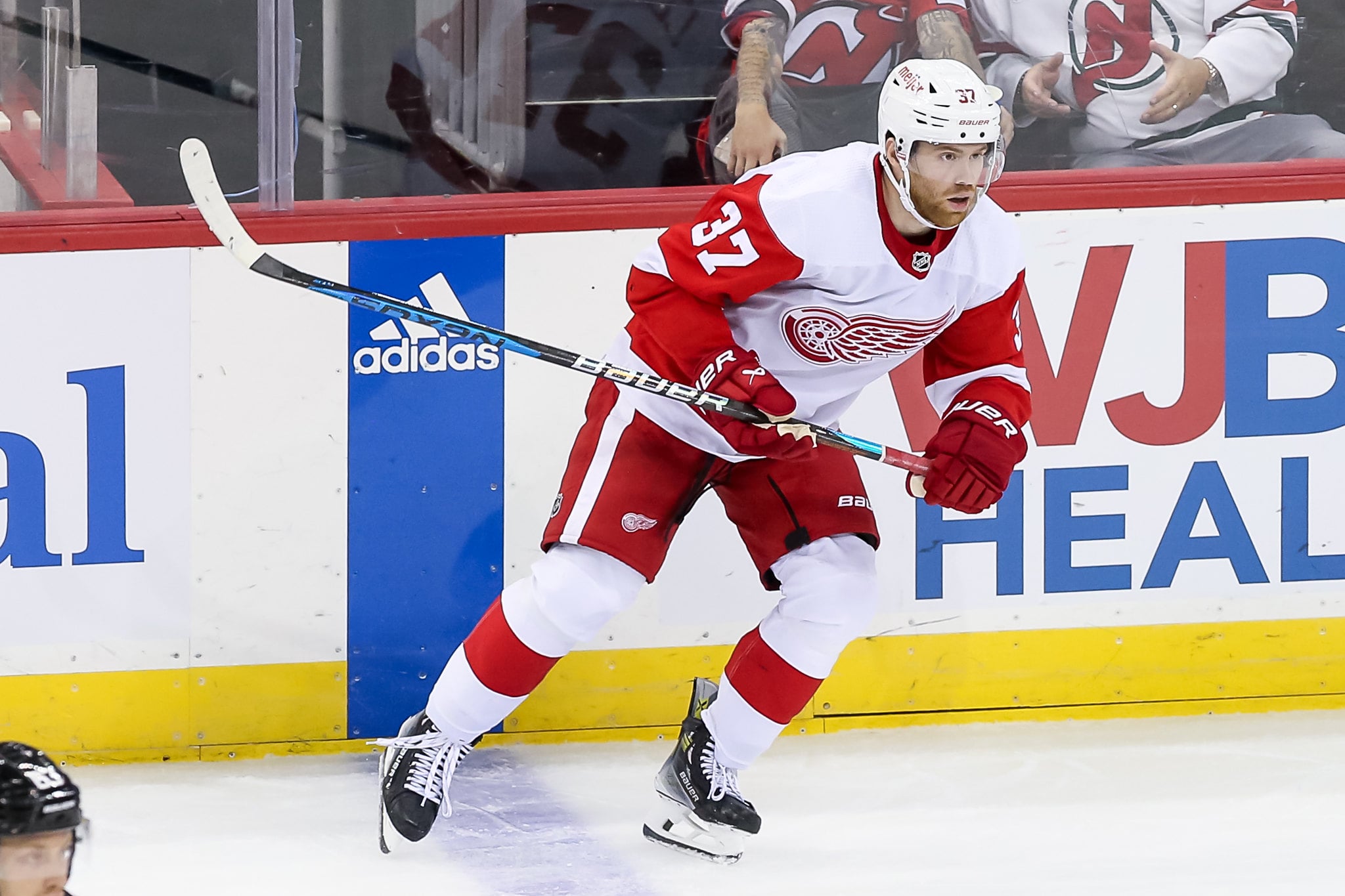
Dubas has not been inactive. Pittsburgh added Andrei Kuzmenko, Nicholas Robertson, Hendrix Lapierre, Kaedan Korczak, Trevor van Riemsdyk and other depth pieces. That is a lot of movement, especially for a team that needed more youth, more competition and more flexibility.
The logic is easy to understand. Kuzmenko gives the Penguins a short-term scoring bet. Robertson gives them a younger winger with shooting upside. Lapierre adds another center option. Korczak gives the blue line a younger right-shot defenseman with term, and van Riemsdyk gives head coach Dan Muse a veteran defensive option.

Those moves all have value. The issue is that most of them are still bets. They make the Penguins deeper, but they do not automatically make them dangerous enough to climb the division. Pittsburgh’s updated depth chart shows the same thing. There are more names, but there are still questions about roles, balance and whether the best players behind the veteran core are good enough.
Penguins Still Need More Top-End Certainty
The Penguins’ problem is not that they lack NHL players. The top of the roster still depends heavily on Sidney Crosby, Evgeni Malkin, Bryan Rust, Rickard Rakell, Erik Karlsson and Kris Letang.
That group can still help Pittsburgh win games. Crosby remains an elite driver. Malkin can still create offense. Rust and Rakell are legitimate NHL wingers. Karlsson and Letang can still move the puck at a high level. The issue is not whether those players matter. They do. The issue is how much Pittsburgh still needs them to matter.
That is where the Metro gap becomes obvious. The Penguins have added useful players, but they have not clearly added the next major top-six forward, the next long-term center behind Crosby or the kind of difference-maker who changes how opponents view them. The roster has more depth, but its ceiling still depends on older stars staying healthy and younger bets becoming real answers quickly.
Pittsburgh’s need for a bigger swing has already become one of the central themes of the offseason. The Penguins can collect intriguing players, but at some point, one of those moves has to become more than interesting.
Division Rivals Still Look More Complete
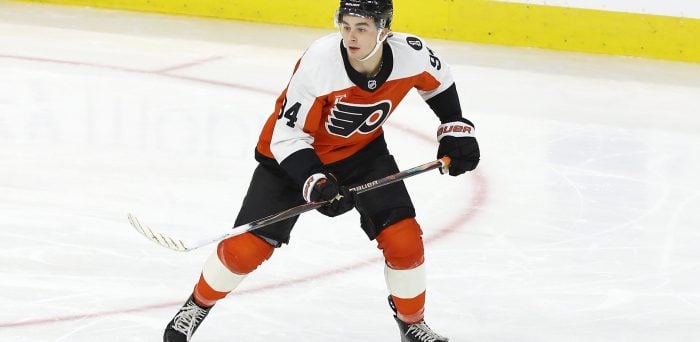
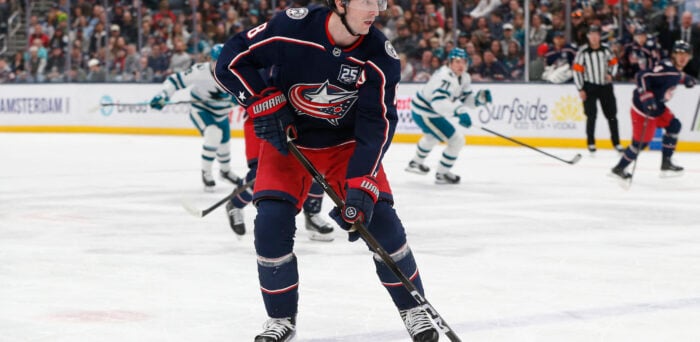
The Metro is not an easy place to live in the middle. The Washington Capitals, New York Rangers, Columbus Blue Jackets, Philadelphia Flyers and Carolina Hurricanes all have different cases, but each has enough to make Pittsburgh’s climb difficult. Some have more immediate top-end talent. Some have clearer roster identities. Some have a better blend of youth and established impact players.
That is why Pittsburgh being sixth in the division conversation matters. It is not only about one ranking. It is about what that ranking says. The Penguins may be better equipped to compete than they were a month ago, but they are still not clearly ahead of the teams they need to jump over.
That is especially important because Pittsburgh cannot afford to spend another season hoping everything breaks perfectly. The Penguins can overachieve, and there is a path for that to happen, but relying on overachievement is not the same as building a roster that should expect to move up.
Goaltending could help. Young forwards could emerge. The blue line could settle in. Crosby could still drag Pittsburgh into the playoff race. Those are all possible outcomes, but too many of them still feel conditional.
Penguins’ Internal Answers Have to Arrive Fast
The best version of Pittsburgh’s offseason depends on internal growth. That is where players like Robertson, Lapierre, Rutger McGroarty, Ville Koivunen, Ben Kindel, Joel Blomqvist, Sergei Murashov and Owen Pickering become so important.
The organizational depth outlook shows that Pittsburgh has more young players near the NHL level than it had during some of the thinnest years of the system. That is progress. It gives Dubas more flexibility and gives the Penguins more ways to find cheap value.
But young depth only matters if it starts changing the NHL lineup. McGroarty’s roster squeeze is one example of the problem. Pittsburgh wants young players to push, but the current forward group is crowded enough that opportunities may not be clean.
Koivunen’s situation creates a similar question. The Penguins need young skill to emerge, but they also need defined roles that help those players succeed. If the younger group spends the season bouncing between Pittsburgh and Wilkes-Barre/Scranton without clarity, the roster may look deeper without actually becoming more dangerous.
Dubas Still Has Room to Work
The positive part is that Pittsburgh is not boxed in. The Penguins’ cap space gives Dubas room to keep working, and the long-term salary-cap situation gives the organization flexibility beyond this season.
That matters because the Penguins do not need to solve everything with one move in July. They can wait for another team to need cap relief. They can see which young players separate in camp. They can decide whether Rust or Rakell belongs in the long-term plan. They can evaluate whether their center issue needs an outside answer.
Still, flexibility has to become action at some point. Cap space is useful only if it turns into leverage, a player or a better roster position. If Pittsburgh enters the season with the same core questions it has now, the division gap will still be there.
The center problem is part of that larger issue. The left side of the blue line is another. Goaltending remains high-variance. The forward group has quantity, but not enough certainty. That is a lot for one team to sort through while trying to chase playoff spots in an 84-game season.
Penguins Need More Than an Interesting Offseason
The Penguins’ offseason has not been pointless. Dubas has made the roster younger, deeper and more flexible. He has added players who could outperform their current value and created more competition than Pittsburgh had before. That is real progress. It is just not enough to declare the Penguins fixed.
The Metro still shows the gap. Pittsburgh can talk itself into a path upward, but that path still depends on too many uncertain pieces becoming answers at the same time. Robertson has to take advantage of a bigger opportunity. Kuzmenko has to score. Lapierre has to become more than just depth. Korczak and van Riemsdyk have to stabilize the defense. One of the young goalies has to hold up. The core has to stay productive. That can happen, but it is not a comfortable plan.
The Penguins are more interesting than they were before the offseason started. They may even be better. But the rest of the division still makes one thing clear: Dubas’ work is not done.
Free Newsletter
Get Pittsburgh Penguins coverage delivered to your inbox
In-depth analysis, breaking news, and insider takes - free.
Subscribe Free →