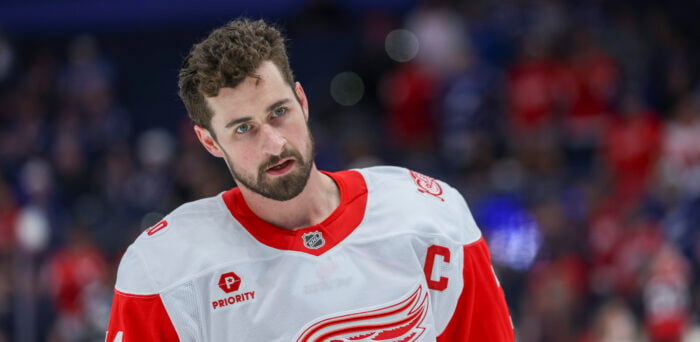
The Pittsburgh Penguins’ clearest big-swing target is staying put for now. Jason Robertson’s new one-year, $12 million contract to remain with the Dallas Stars does not rule out the possibility that he could move, but it does change the immediate conversation.
The Penguins were connected to Robertson during the offseason because he was a restricted free agent heading towards arbitration. He is also young enough to fit beyond the current core, productive enough to change the top of the lineup, and skilled enough to give Pittsburgh the kind of offensive driver it still lacks.
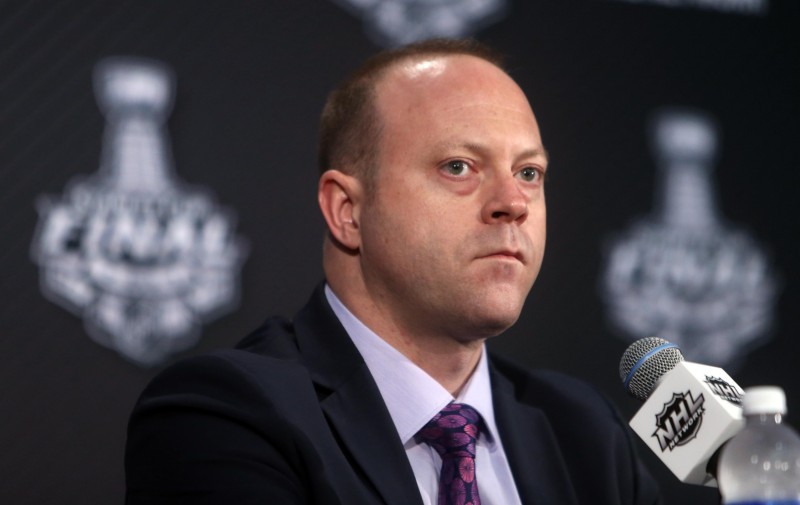
Now, president of hockey operations and general manager Kyle Dubas has to pivot. That does not mean forcing the next available trade. It means recognizing what he was after in the first place. Pittsburgh still needs a bigger forward or center if their retool is to become more than a collection of interesting pieces.
Jason Robertson Was the Cleanest Big Swing
Jason Robertson was always the easy name to circle because he checked so many boxes. He is a high-end scoring winger who fits the timeline better than Pittsburgh’s veteran options, and his uncertainty in Dallas created a natural opening for speculation.
The Stars settled the contract issue, avoiding arbitration and keeping Robertson in Dallas for the 2026-27 season before he becomes an unrestricted free agent. That takes the easiest version of a Penguins trade off the board for now.
His production explains why the Stars wanted to keep him. Robertson had 45 goals and 96 points last season, giving Dallas elite finishing and top-line offense. The Penguins do not have many players who can create that kind of scoring threat outside of Sidney Crosby.
That is why the Penguins’ trade interest was worth taking seriously even if they knew a deal would be. They need high-end talent, and Robertson represented the most direct path toward getting it.
Dallas Deal Does Not Solve Pittsburgh’s Need
Robertson staying with the Stars removed one possible answer for the Penguins. They still have Crosby driving the top of the lineup, Evgeni Malkin entering a different stage of his career, and several veteran wingers who can still help. Bryan Rust and Rickard Rakell remain useful players. Egor Chinakhov, Nicholas Robertson, Ben Kindel, Rutger McGroarty, and Ville Koivunen give the organization more young options than it had a few years ago.
That group is more interesting than it was before, but it is not enough to erase the need for another difference-maker. Pittsburgh’s big forward swing remains one of the defining questions of the offseason. Dubas has added skill, depth, and competition, but none of those moves carry the certainty that Robertson would have brought.
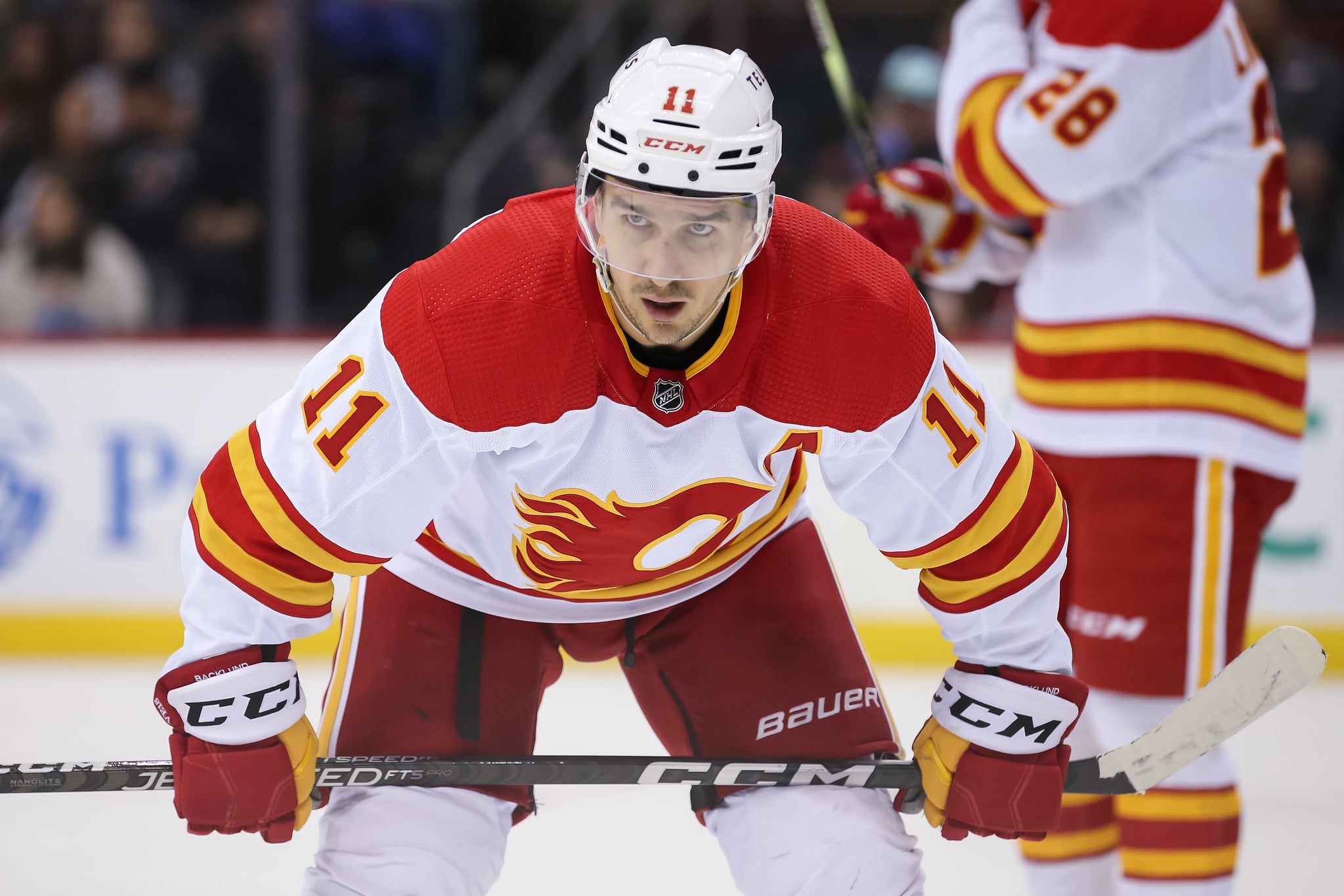
Andrei Kuzmenko is a short-term scoring bet. Nicholas Robertson is a fresh-start shooter. Chinakhov has to prove his surge can last over a full season. That leaves Pittsburgh in a familiar place. The roster has more possibilities, but it still needs a cleaner answer at the top.
Shane Wright is a Different Kind of Pivot
The most logical pivot may not be another winger. It may be a younger center. Shane Wright does not have Robertson’s NHL résumé, but he would fit a need. The Penguins have been tied to trade interest in Wright as well, which makes sense with the center picture behind Crosby still unsettled.
Wright is younger, cheaper, and more of a project than Robertson. He is entering the last season of his entry-level contract before he becomes a restricted free agent, which would allow Pittsburgh to evaluate him before committing to a larger deal. That structure fits the type of calculated risk Dubas has taken repeatedly.
The difference is ceiling versus certainty. Robertson would have been a proven scorer. Wright would be the longer-term bet at a more important position. Pittsburgh’s center search remains alive because Tommy Novak, Blake Lizotte, Hendrix Lapierre, and Kindel have all shown potential without fully settling the middle behind Crosby.
The Penguins should not overpay for Wright just because Robertson is no longer easily available. They should, however, keep looking. Younger centers with upside do not become available often, and Pittsburgh needs one badly enough to stay involved.
Internal Bets Carry More Pressure Now
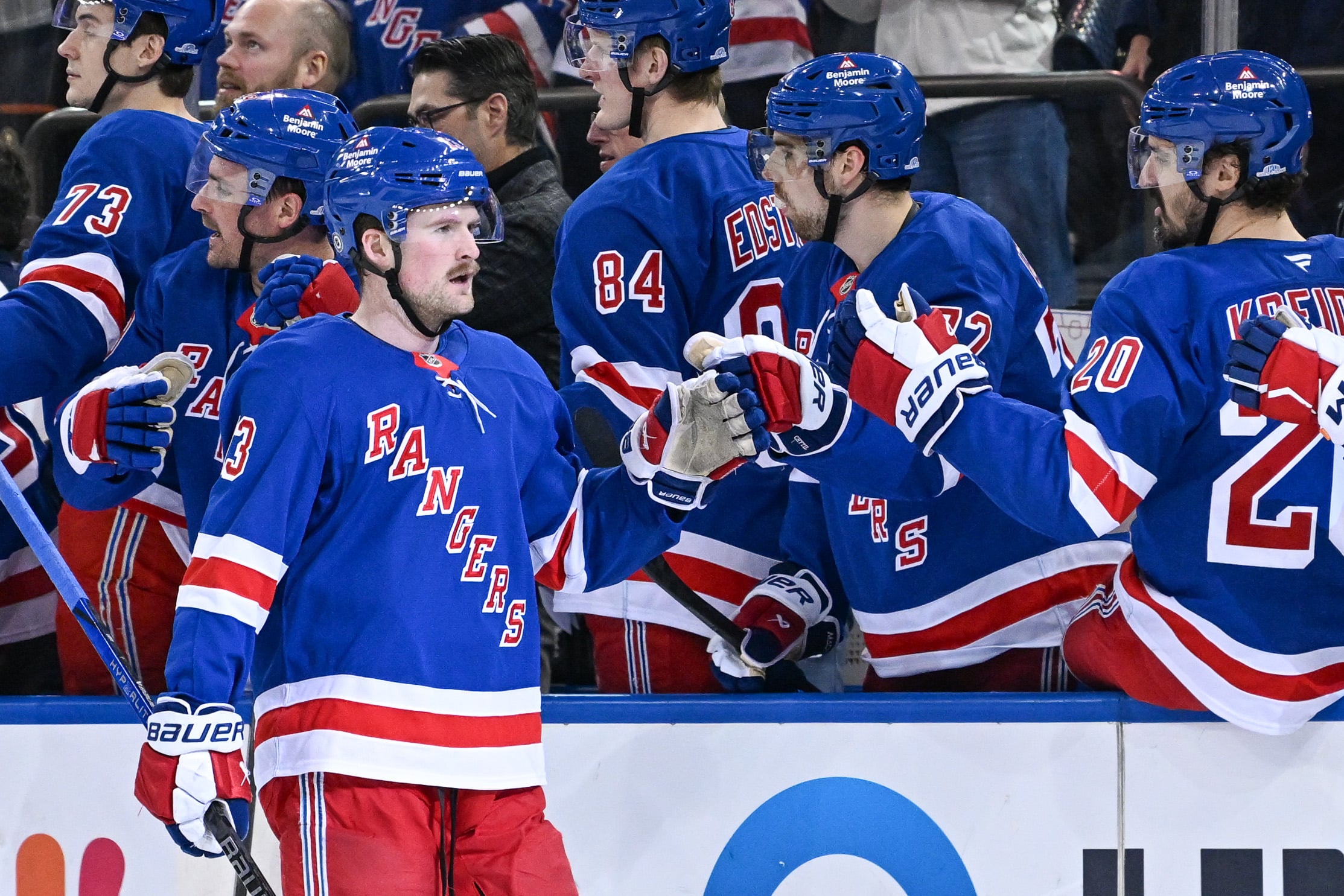
The Robertson miss also puts more pressure on Pittsburgh’s internal options. Nicholas Robertson has a new contract and a chance to become a real top-nine winger. Chinakhov has the skill and shot to remain one of Pittsburgh’s better offensive forwards. Kindel could take another step after an encouraging rookie season. McGroarty and Koivunen still need clear paths to NHL roles.
Those players do not need to become Jason Robertson. They do need to make the forward group feel less dependent on Crosby and the veteran core. Nicholas Robertson’s new Penguins deal already raised the key issue. Pittsburgh has to turn opportunity into roles, not just collect players who look useful on paper. The same challenge applies to Chinakhov, McGroarty, and Koivunen.
The Penguins’ breakout candidates entering 2026-27 are no longer just optimistic talking points. They are part of the team’s path forward. If two or three young forwards take real steps, Pittsburgh can survive missing on the bigger name. If they stall, the need for an outside solution becomes even harder to ignore.
Dubas Cannot Force the Wrong Move
Pittsburgh’s cap space gives Dubas room to keep working, but available room should not become pressure to make a reckless deal. The Penguins’ current cap flexibility allows them to wait for the right opportunity, absorb money if another team needs relief, or revisit the trade market closer to training camp.
Patience may be necessary. Robertson staying in Dallas does not mean another perfect target will appear. The Penguins cannot treat the next available scorer like a substitute just because the biggest swing is off the board. A forced trade would be worse than no trade.
Pittsburgh is still trying to rebuild its prospect pool, protect future flexibility, and stay competitive around Crosby. Giving up premium assets for the wrong player would contradict all three goals. Dubas has to be aggressive, but not impatient. Those are different things.
Penguins Still Need a Bigger Answer
The Penguins still need more high-end forward talent. They still need a young center solution. They still need internal players to turn into real NHL answers. Missing on Robertson only makes those needs more visible.
His one-year deal also keeps the door open. Robertson can reach unrestricted free agency next summer if Dallas does not extend him, and his name could resurface depending on how the Stars’ season and contract talks develop. Pittsburgh should not build a plan around waiting for that possibility, but it certainly understands that the story might not be over.
For now, the Penguins need to pivot. That could mean pursuing Wright. It could mean weaponizing cap space. It could mean letting the young forwards battle through camp before deciding whether another trade is necessary. The important part is not chasing the loudest name just because Robertson stayed put. The important part is finding the right one.
Dubas’ work is not done. Robertson was one possible answer. The Penguins still have to find another.
Free Newsletter
Get Pittsburgh Penguins coverage delivered to your inbox
In-depth analysis, breaking news, and insider takes - free.
Subscribe Free →