The Ottawa Senators are off to a 6-2-0 start, sitting atop the Atlantic Division and giving their fans plenty of reasons for optimism. Even more encouraging is that they have managed to put together this kind of start despite injuries to Jake Sanderson and William Eklund. There are positives to take away from how Ottawa has opened the season.
However, beneath the strong record lies a concerning trend: the Senators are struggling to generate offence.
Ottawa ranks 22nd in the NHL in shots per game this season, and the recent trend is even more concerning. The Senators have failed to record more than 22 shots in any of their last four games, while their underlying season-long numbers paint an equally troubling picture. Ottawa ranks 28th in Corsi, 28th in expected goals, 27th in high-danger scoring chances for, 22nd in scoring chances for and 22nd in goals scored.
Those are not the numbers of a team consistently driving play offensively. While Ottawa has found ways to win, its underlying numbers suggest the offence has yet to reach the level expected of a group with this much talent.
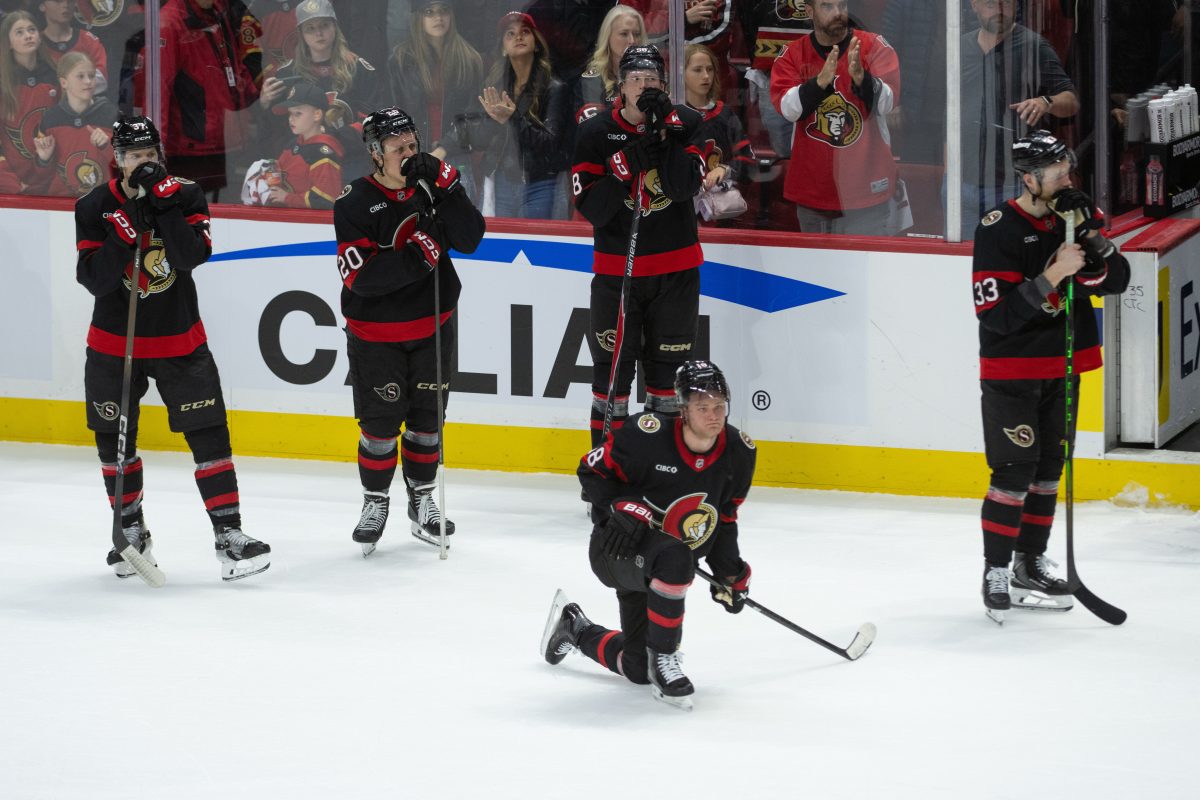
That represents a stark contrast to last season, when the Senators were generating significantly more offensive opportunities. Their underlying offensive metrics suggested a team that could have been viewed as unlucky to finish in a wild card spot. This season, the results have been encouraging, but the process behind them has not been nearly as convincing.
Injuries Have Taken a Significant Toll
There are legitimate reasons for Ottawa’s offensive struggles, beginning with the absence of Sanderson.
Sanderson is much more than a dependable defenceman. He is one of the team’s most important offensive drivers, capable of moving the puck through the neutral zone, creating controlled entries and helping Ottawa establish possession in the offensive zone. His ability to tilt the ice in the Senators’ favour makes him a particularly difficult player to replace.
Without him, Ottawa loses a major source of transition offence and a defenceman who can consistently help the team spend more time attacking than defending. His absence has implications well beyond the blue line.
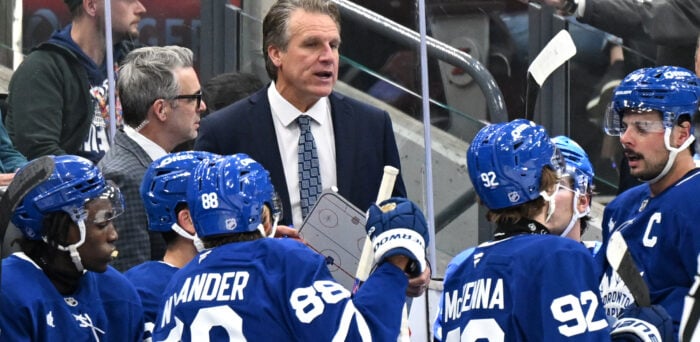
There is, however, reason for optimism. Head coach Travis Green has indicated that Sanderson is close to returning, which could provide a significant boost to Ottawa’s ability to generate offence from the back end.
The injury to Eklund has also been costly. Ottawa’s biggest off-season acquisition had already shown the potential to produce at a 50-point pace, offering the team another legitimate offensive option in its top six. Losing a player of his calibre for an extended period weakens the second line and reduces the team’s ability to spread its scoring threats throughout the lineup.
The loss is particularly significant given that Eklund, Dylan Cozens and Fabian Zetterlund had formed a decent trio, posting an expected goals for (xGF%) of 58.55%. Cozens, however, has recorded just two points this season, and with Eklund sidelined, the Senators need more offensive production from their second-line centre. Losing a productive linemate makes that challenge more difficult, but Cozens will need to find ways to contribute offensively if Ottawa wants to maintain a balanced attack.
Neither injury fully explains the offensive drop-off, but together they have forced Ottawa to operate without two important pieces of its offensive structure.
Ottawa’s Top Line Has Yet to Find Its Footing
Beyond the injuries, the lack of consistency in Ottawa’s forward combinations has been another challenge. Through the early part of the season, Green has experimented with different line combinations, particularly on the left wing alongside Tim Stützle and Drake Batherson.
That revolving door continued against the New York Islanders, when Stephen Halliday received an opportunity on the top line. The results were underwhelming from a chance-generation standpoint, with the trio posting an expected-goals share of just 13.56%.
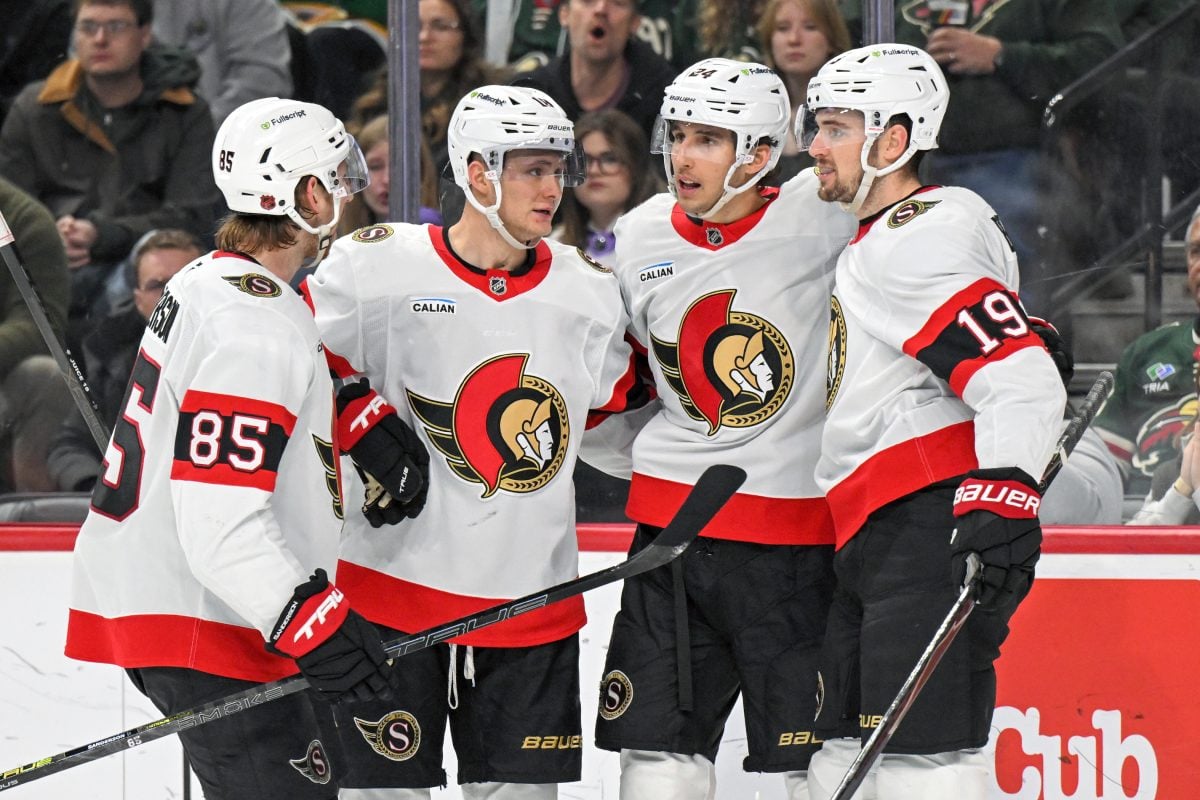
Halliday did have a goal called back following a beautiful pass from Stützle, but the overall performance was not what Ottawa needs from a line built around two of its most talented offensive players. A disallowed goal can change the perception of a game, but it does not erase the underlying difficulties a line experiences over the course of a full contest.
The broader issue is that Stützle and Batherson have not found a consistent combination capable of controlling play and generating sustained pressure.
Their most frequently used linemate this season has been Warren Foegele. Yet that trio has also struggled, posting an expected-goals share of 37.53% and scoring just two goals together.
For a line featuring Stützle and Batherson, those numbers are difficult to overlook. Both players have the skill to create offence, but the early returns suggest that simply putting talented players together is not enough. Ottawa needs a combination that can consistently enter the zone, win possession battles, create quality opportunities and turn offensive-zone time into dangerous chances.
The same execution issues have also affected the power play, which ranks 28th in the league. Following the loss against the St. Louis Blues, Green was direct about what needs to improve: “They’re not executing their passes first of all. Simple passes. We’re passing pucks that are rolling instead of passing it flat. I think it’s just the simple things. You’ve got to do those things well before you even start doing anything about the rest of the power play.” Whether at five-on-five or on the man advantage, the Senators need to execute better before they can consistently generate the chances their talent should be producing.
The Answers May Already Be on the Roster
The encouraging part for Ottawa is that the problem does not appear to be a lack of personnel. The Senators have enough talent among their 12 forwards to believe this is a solvable issue.
Their bottom six, in particular, has players capable of contributing more offensively. Foegele, Ridly Greig, Claude Giroux, Andre Burakovsky, Zetterlund and Shane Pinto each bring different strengths to the lineup. The challenge is finding combinations that allow those strengths to complement one another while providing enough scoring depth behind the top line.
One potential solution would be to give Giroux another look alongside Stützle and Batherson. The trio found success together last season with a high-danger scoring chances for of 57.94%, and Giroux’s playmaking ability and defensive responsibility could provide the stability the line has been missing.
Another option would be to separate Stützle and Batherson entirely. Rather than relying on one line to carry the bulk of the offensive responsibility, Ottawa could give each player an opportunity to drive a separate unit. That approach would spread the team’s playmaking and puck-carrying ability throughout the top six, potentially making the Senators more difficult to defend.
There is no guarantee either adjustment would work. But with the current combinations struggling to generate chances, Green has legitimate reasons to experiment.
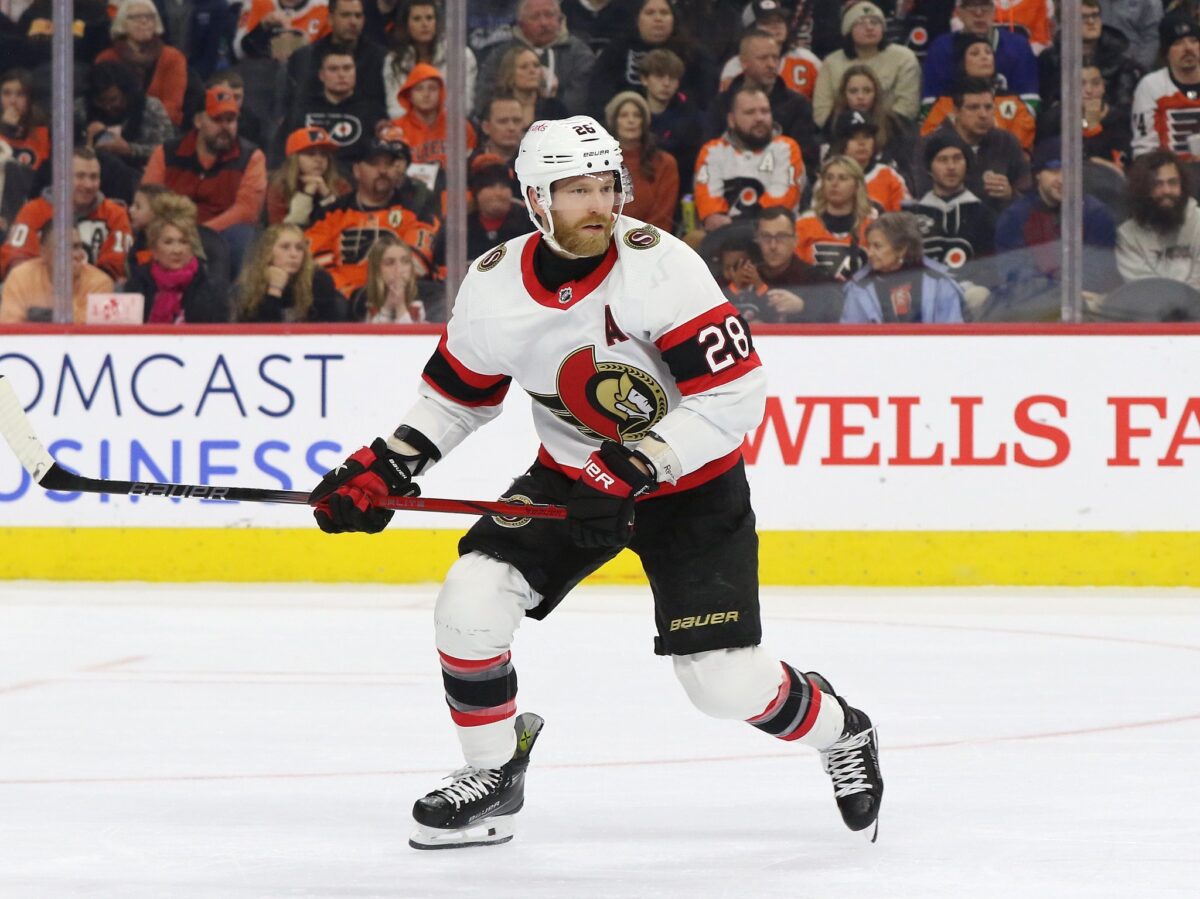
The return of Sanderson should also help stabilize the team’s offensive structure, while getting healthier up front could eventually give Ottawa more flexibility with its lines.
The Record Is Strong, but the Process Must Improve
It would be premature to sound the alarm over a 6-2-0 start. The Senators are collecting points, sitting first in their division and demonstrating an ability to win despite significant injuries. Those are meaningful positives for a team looking to establish itself as a legitimate playoff contender. Still, the underlying numbers deserve attention.
Ottawa is not simply struggling to finish its chances. It is struggling to generate them in the first place. Ranking near the bottom of the league in Corsi, expected goals and high-danger chances points to a team that is not consistently creating enough offensive pressure to sustain its success over a full season.
The Senators have too much offensive talent to remain this ineffective at generating opportunities. Stützle and Batherson are capable of driving play, the supporting cast has the potential to provide meaningful secondary scoring, and Sanderson’s eventual return should help address some of the team’s transition difficulties. Cozens also has to take on a greater offensive role while Eklund recovers.
The question is how quickly Ottawa can put those pieces together. A strong record can buy a team time to work through its problems, but it cannot indefinitely compensate for a lack of offensive production. If the Senators continue to struggle to generate shots and quality scoring chances, the results will eventually become more difficult to sustain.
Free Newsletter
Get Ottawa Senators coverage delivered to your inbox
In-depth analysis, breaking news, and insider takes - free.
Subscribe Free →