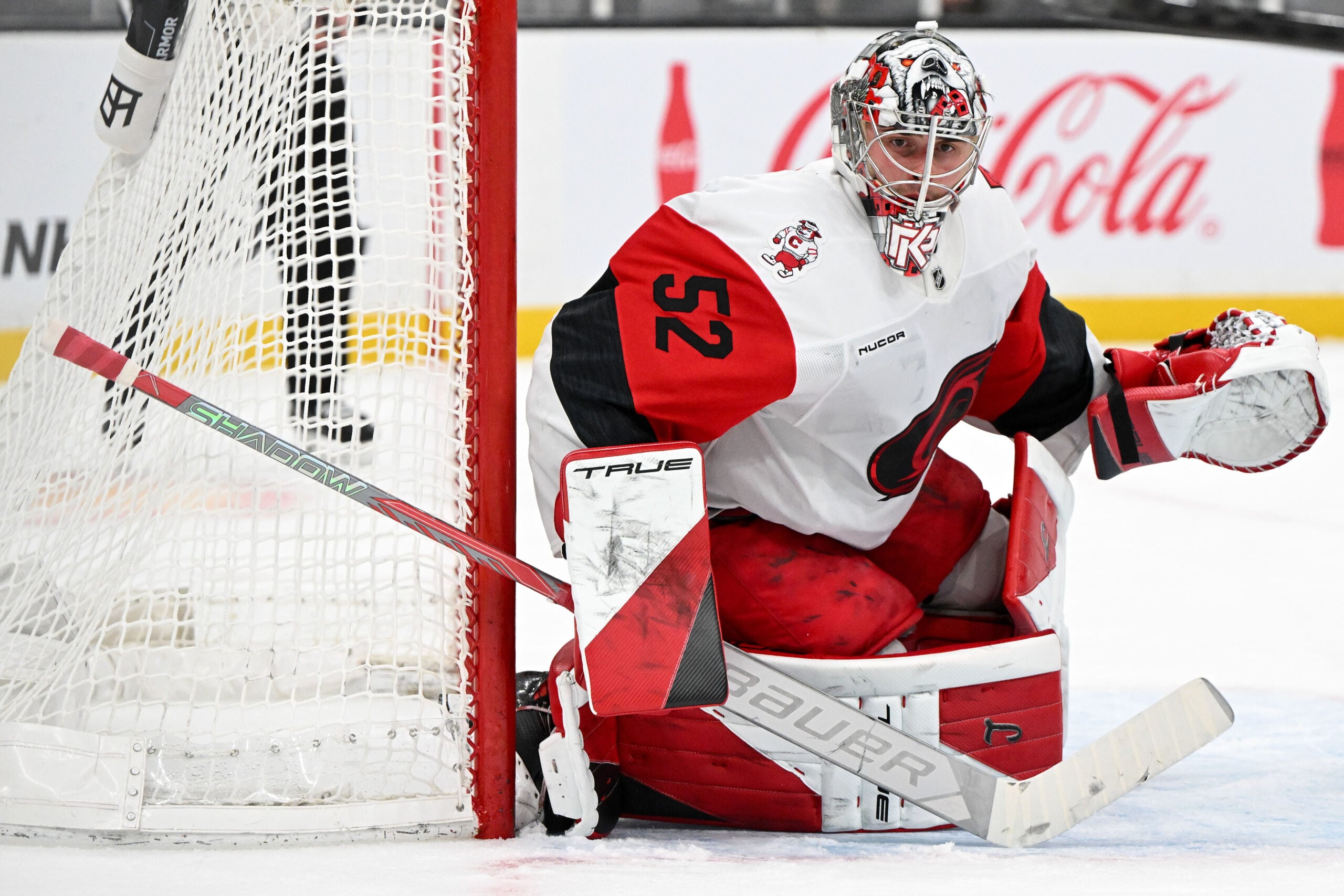
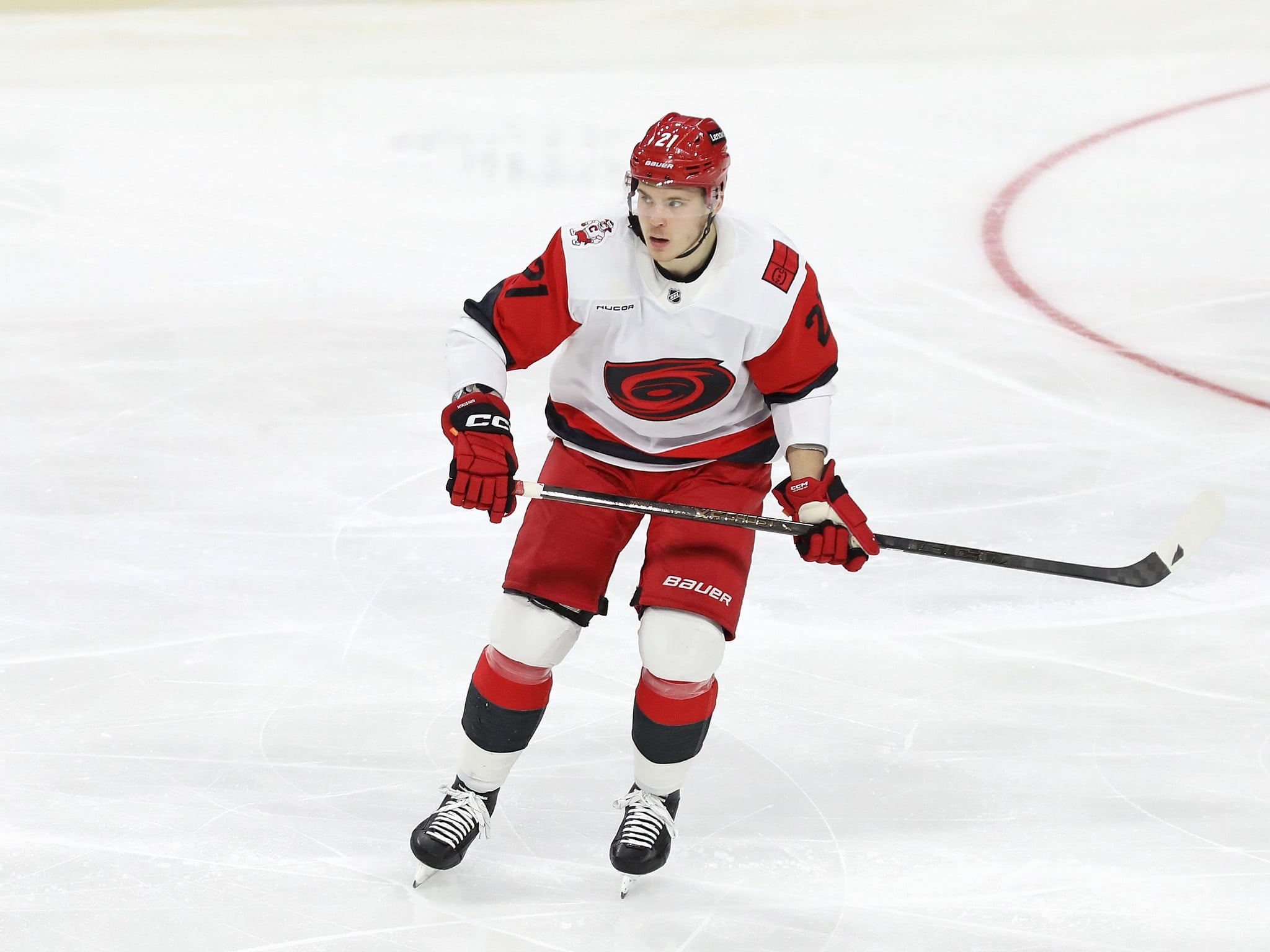
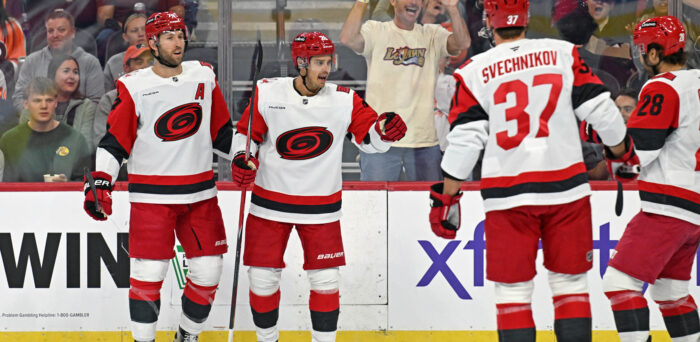
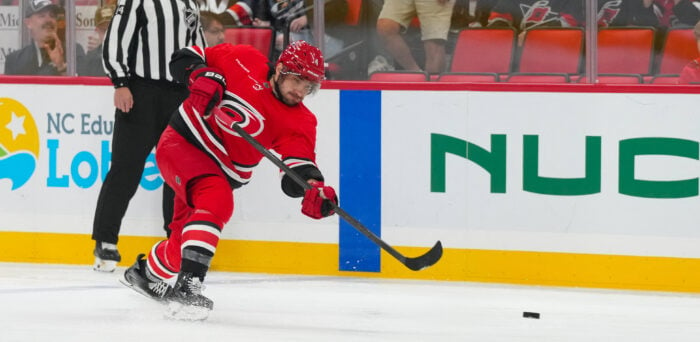
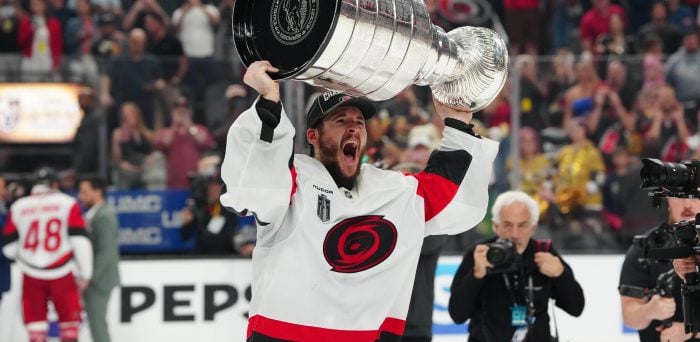
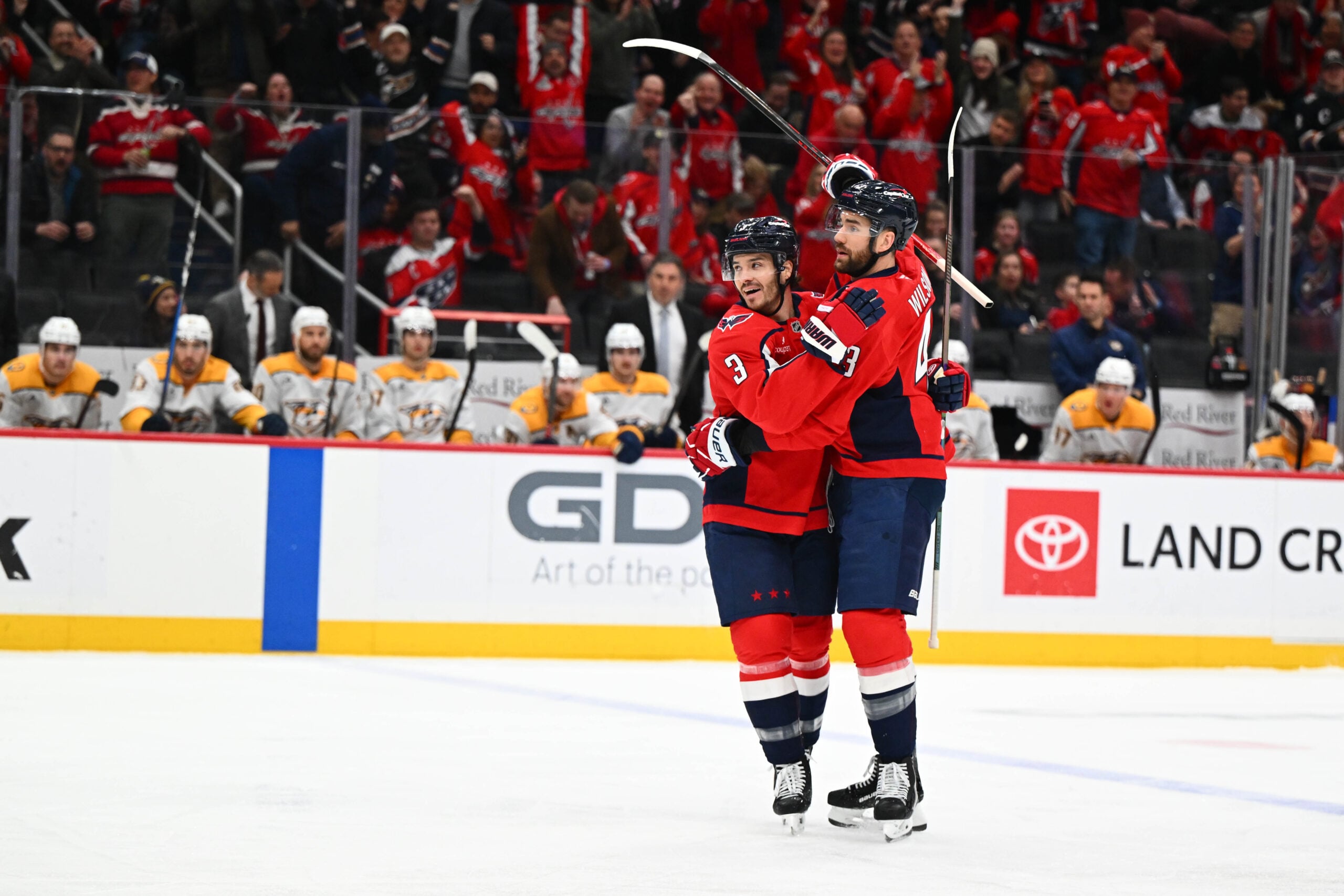
Today, the Carolina Hurricanes faced off against the Detroit Red Wings at the PNC Center in Raleigh, North Carolina. If one were to judge by the crowd, however, it would be hard to claim it as anything but a Red Wings home game. Now, Detroit has always had a solid road presence. Being as widely successful as Detroit has been for as long as they have, that kind of influence around the league is to be expected.
Despite Detroit’s impressive road crew, the crowd differential may not have been as noticeable if not for Carolina’s poor performances at home this year.
Over Before It Began
Unsurprisingly, when the Hurricanes returned from their annual State Fair road trip on November 1, attendance had dropped to just over 10,000. An 0-6-2 record in October isn’t exactly going to draw fans in droves, and though Carolina put forth a better effort in November, the damage had been done.
One of the biggest issues the Hurricanes face is their slow starts to games. In the midst of their five-game home streak, the Hurricanes have not had a first period they can be proud of. Whether it was the two goals against in 1:36 in their game against Pittsburgh, the goal two minutes into the game versus Washington, or the 2-0 deficit Carolina faced against Detroit on Sunday. The early holes the Hurricanes seem to constantly have to dig themselves out of doesn’t excite the home crowd, and deters them from returning.
Fed Up and Showing It
The home performances this year are not the only issue. The noticeable drop in attendance has been a long time coming. Carolina is a small market team that hasn’t made the playoffs since 2009. Unsurprisingly, the attendance has suffered. Though the Hurricanes have built a solid niche in Raleigh, there’s only so long a fanbase will support a losing team, especially one that doesn’t appear to be getting any better.

This past offseason, the organization made changes to management, moving on from Jim Rutherford and Kirk Muller and hiring Ron Francis and Bill Peters in their stead. There was hope that these changes would also lead to a change in culture within the organization, but any good will that may have been earned by these changes was all but negated with a lackluster offseason and a poor start to the season.
This year, the Carolina Hurricanes will likely miss the playoffs for the sixth consecutive season and the attendance will likely remain near the bottom of the league. Francis has indicated that the organization is building toward the future. His moves at the trade deadline and the upcoming offseason should reflect that. Because if the performances at home continue the way they are, that may be the only way to draw excitement for the home team once again.
Free Newsletter
Get Carolina Hurricanes coverage delivered to your inbox
In-depth analysis, breaking news, and insider takes - free.
Subscribe Free →