The Hershey Bears are the gold standard in the American Hockey League. They’ve won the Calder Cup 13 times, are reigning back-to-back champions, and are set up to win the title again. The Bears had success throughout the league’s history yet their recent run is special, even by their standards.
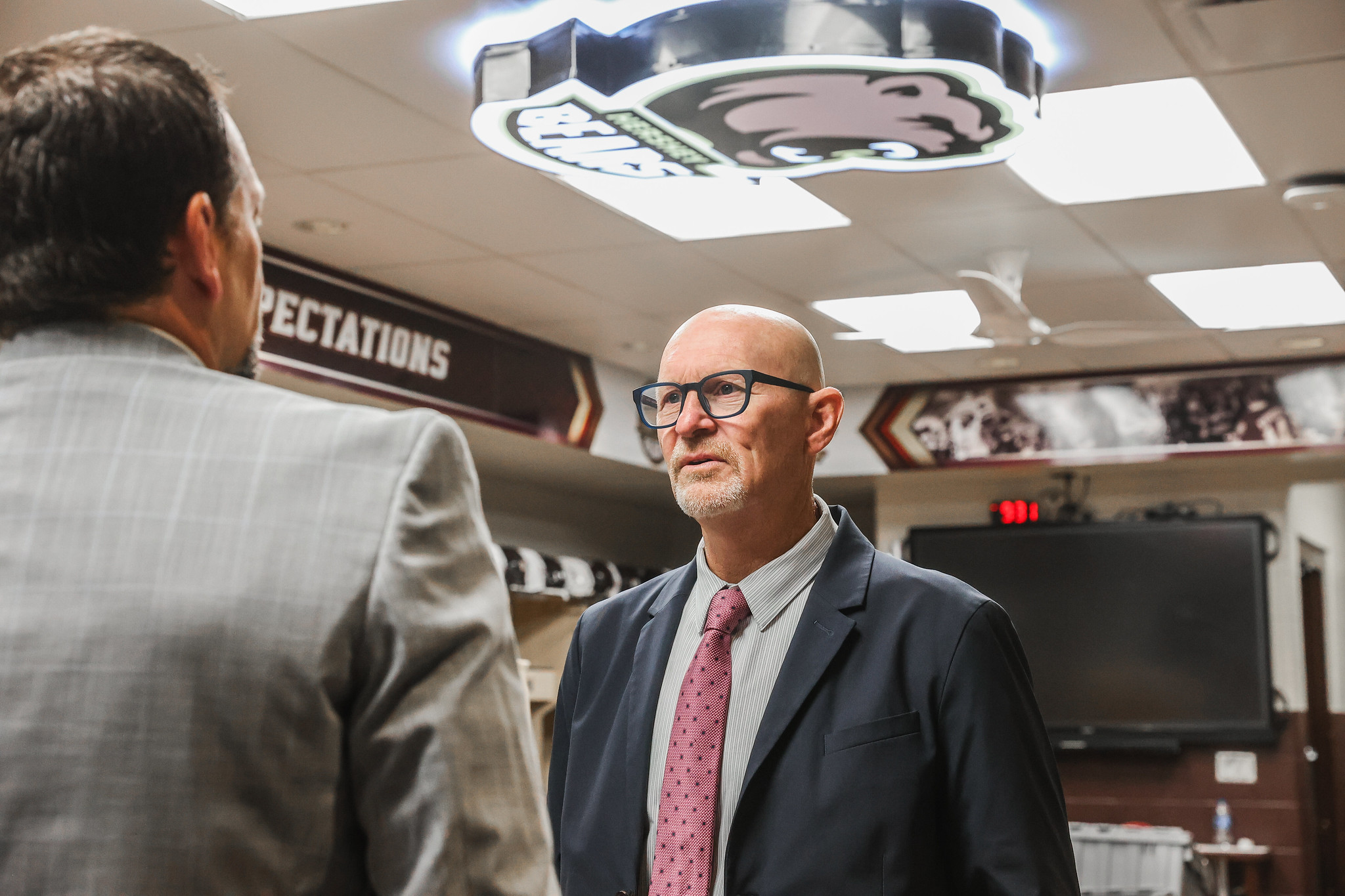
The winning environment starts at the top, with a team that is willing to buy in. The recent run is also a credit to the head coach behind the bench. Todd Nelson has the Bears playing great in all facets of the game, and he’s taken an already-talented roster to the next level. The Bears check all the boxes of a well-coached team and it’s a reflection of the job Nelson’s done in recent seasons to turn them into a juggernaut.

Many hockey fans wonder who the next great coach will be. Which team will make a “start-up” hire and find someone who isn’t a household name but can lead a team for years and end up hoisting the Stanley Cup? Nelson is the top coach in the AHL and a leader fans are starting to notice, especially in the offseason when teams begin their coaching searches. He’s a great fit in Hershey, a town known for chocolate and roller coasters, and his success was years in the making.
Barry Trotz’s Influence
Every coach has a strong influence from the playing days or background that molded how they became a coach and their coaching style. Whether it’s coaches who played in the 1980s when the game was fast and offensive-minded or assistants in the 2000s when defense and structure were prominent, the settings tend to make a coach into who they are. For Nelson, that influence started before his playing days, when he was growing up in Saskatchewan. In a conversation with The Hockey Writers, Nelson noted, “My father was a coach. He coached hockey, baseball, and all sports,” so the gene to be behind the bench was already in his DNA.
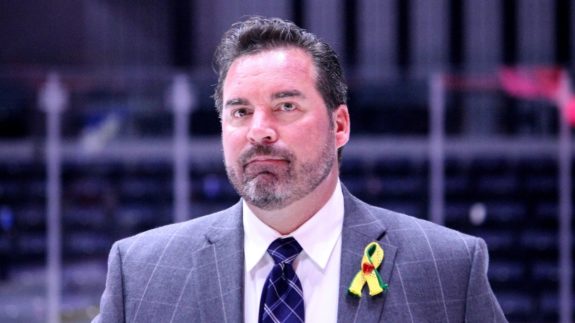
Then came his early playing days, where he was the Pittsburgh Penguins farm system and like many of the players he coaches on the Bears, he was looking to make the jump to the NHL. He played for the Penguins’ AHL team, the Portland Pirates, where he played under an upstart coach at the time, Barry Trotz, who in the early 1990s was still waiting for his call from an NHL team.
“I played for Barry Trotz, and I liked his style. He was fair and firm and was kind of a player’s coach,” Nelson noted about the coach who led the Penguins to a Calder Cup title in 1994. Trotz went on to become the first coach of the Nashville Predators for two decades before he joined the Washington Capitals and led them to their first and only Stanley Cup title in 2018, only to cap off his tenure by helping the New York Islanders reach the Eastern Conference Finals in 2020 and 2021. Before all that, he was coaching in the AHL, and he showed Nelson that defense and a great forecheck win championships. What works in this league is “playing good defensive hockey and keeping the puck out of our net,” as Nelson put it.
Trotz was known for having his teams chip and chase to set up the forecheck and the defense. Opponents would collect the puck from behind the net and were forced to move the puck the full length of the ice against a structured defense. It’s why Trotz was a great coach in the NHL, and it’s that mindset that rubbed off on Nelson. “I like an aggressive mindset on the forecheck. It causes a lot of pressure,” Nelson stated and added “I want to establish a forecheck early on in the game as the mistakes lead to scoring chances later in the game.”
What separates Nelson from Trotz is his ability to pivot. Trotz had one way of doing things where he would rely on his teams to set up the forecheck and win with offensive zone pressure. It’s why his tenure with the Capitals and the Islanders didn’t last long. The Bears generally forecheck but this season, they play a faster brand of hockey with more focus on speed and skill. They have a smaller roster, and Nelson plays into those strengths.
It’s that balance between having an identity and knowing how to pivot that makes any coach a great one. It’s why Nelson has won in the AHL and has done so in different eras, winning the Calder Cup with the Bears recently but also winning the title with the Grand Rapids Griffins in 2017. The AHL and NHL have changed over the years, and the style of play is different, with teams focused more on possession metrics, shot location, and defending the high-danger areas. It’s why Nelson’s coached a certain way wherever he’s been but also adapted to win depending on his roster and the league.
Nelson’s Style: The Arts & Sciences of Coaching
When watching the Bears, it’s noticeable how detailed their game is. Everyone knows where to be on the ice in every situation, and every skater is in the right spot on the ice, whether it’s to deflect a puck into the net on a redirected shot from the point or create a turn in all three zones. The Bears forecheck with structure and they also backcheck to set up instant scoring chances.
Nelson has a pulse on every part of the game. “I allow my players creativity but that being said, they have to play well defensively,” he mentioned about the forwards who can make a highlight play but when making a mistake, must be the first skater back on defense. It’s why the Bears are a good backchecking team as Nelson preaches, “If you want to score off the rush, that’s fine but you can’t turn over the puck, and if you turn over the puck, you better be the first one back on defense to help out.”
On the other end of the ice, when the defensemen create turnovers, they know when to push the puck up the ice or, as Nelson puts it, “you transition and have to play fast and get the quick outs if you can” or cycle the puck around the net. It’s allowed the Bears to win by speeding games up and exploiting teams on the rush but also slowing the game down when needed.
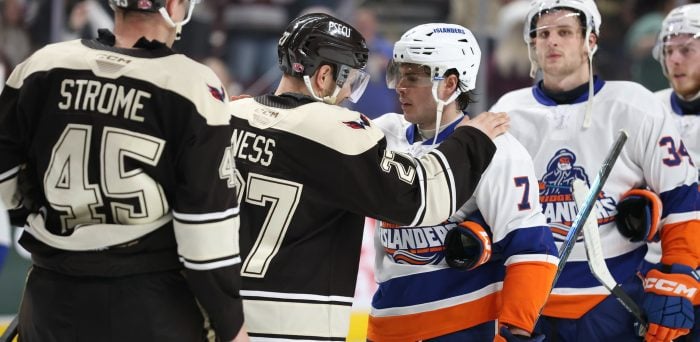
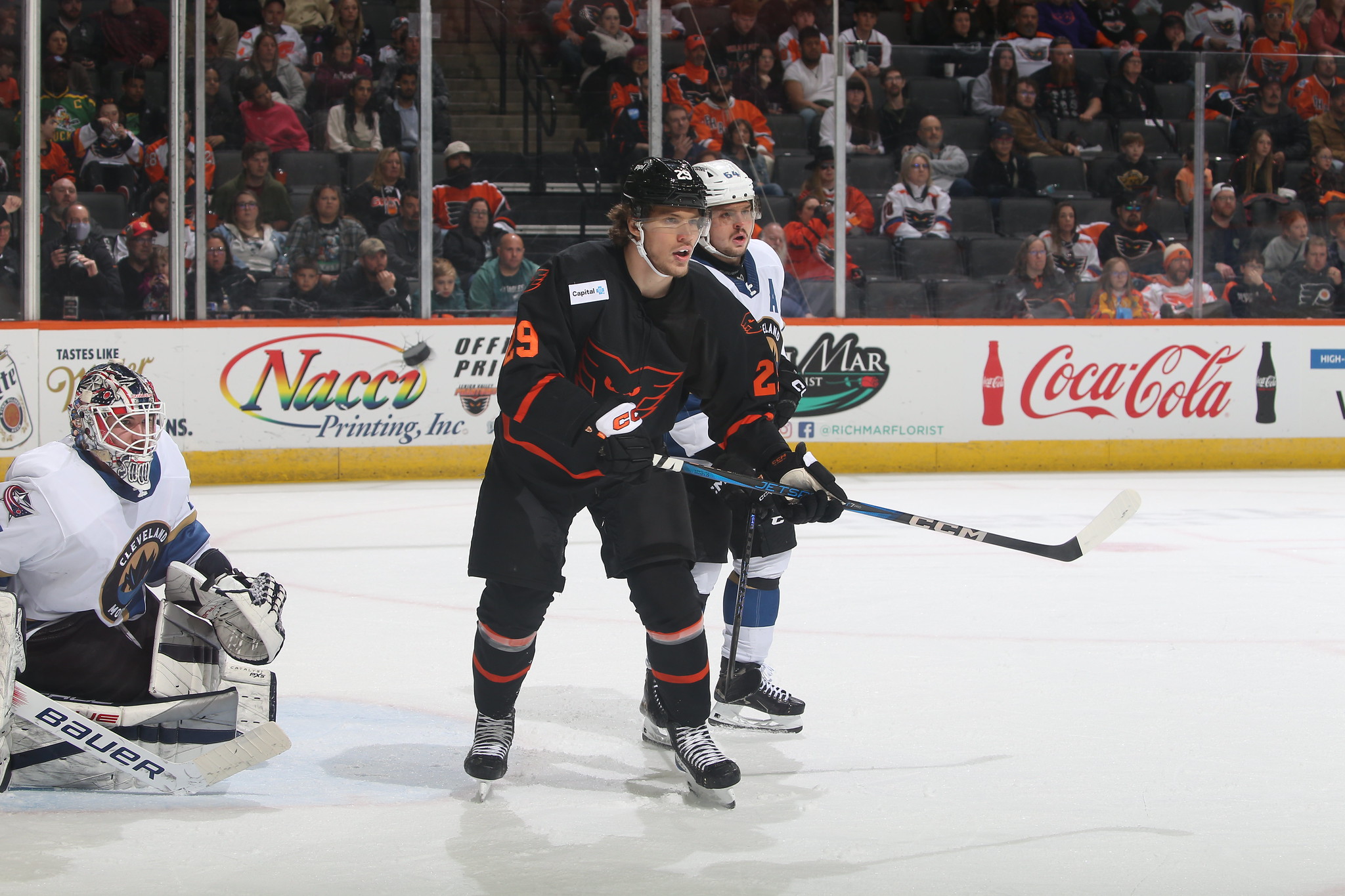
Along with the structure in the defensive zone and the neutral zone, an area where “You have to have a solid neutral zone system. It doesn’t matter if it’s a 1-2-2 or a 1-3-1 or a 1-1-3,” Nelson puts a strong focus on positioning in the offensive zone. When the puck goes to the point, the forwards move to the shooting lanes and are ready to deflect the puck into the back of the net. It’s how the Bears scored twice in the 2-1 April 4 win over the Lehigh Valley Phantoms (a game they were outshot 33-17). It’s how Matt Strome scored the Game 6 game-winner in the Calder Cup Final, as he was near the net for the rebound to clinch the game in overtime.
Nelson’s message is the same, yet he’s pivoted to find the ideal balance between possession and shot volume. “I think something in between, you can’t pass up shots,” he noted. Every coach has different views on what the best approach is, and Nelson only recently, with the Bears, found a middle ground. “I used to be a huge shot-volume guy, and then we played (the) Coachella (Valley Firebirds) two years ago and played Joey Daccord, and we had to be more selective with our shots, and I think that turned around the series for us,” Nelson remarked on the 2023 Calder Cup Final.
The Bears were up against a great goaltender, with Daccord proving he was ready for the NHL (he’s been a reliable option for the Seattle Kraken since). Daccord put together back-to-back shutouts and it forced the Bears to change their approach. They started generating quality shots on the net and didn’t just shoot anytime they had the chance to do so. It’s the reason they flipped the series after trailing 2-0 to win the title in seven games. It’s just another example of how Nelson pivoted to win games which has become a key part of his style.
The other part of coaching that separates Nelson is that “there’s arts and sciences of coaching, the science is the technical package and all the system work, the arts is to buy in and how to get them to be a family.” Many coaches have a strategy but also must know how to work with the players on the team. Likewise, some coaches are great with the players but lack the plan to allow the team to win games. Nelson’s found a way to connect with players in both facets and it’s separated him in a league win many great coaches. “It’s about managing personalities, and I have to manage 30 different people, and each person is different.”
The Culture in Hershey
The AHL is a development league where the goal is preparing players for the NHL yet there are some teams where the expectation is to win the Calder Cup every season. The Bears are one of those teams with 13 titles and 25 total appearances in the Final. “It’s historical. It’s a small town where everybody supports you. It’s a small town where everybody knows who you are, and they expect to win championships here, and anything less is not a failure but the expectation is to win,” Nelson noted about the standard in so-called Chocolatetown. The Bears might be an AHL team but they are treated like an NHL franchise with an ownership group that spends big and a fanbase that packs the arena every night.
The setting and overall culture make it easy for any coach to do well. Yet, Nelson brought a winning culture with him as well. The word “culture” gets thrown around a lot in sports and is often overused. However, a great head coach can make all the difference. Rod Brind’Amour has with the Carolina Hurricanes, and so has Dean Evason with the Columbus Blue Jackets. It’s all about the minor details that instil a winning environment in a team.
“My goal as a coach is to make it a family atmosphere so that players want to come to the rink and make themselves better,” Nelson noted for what he does as a coach to bring that winning culture. He mentioned how he meets with the players and their families before the season starts to get to know them and build a relationship with them.
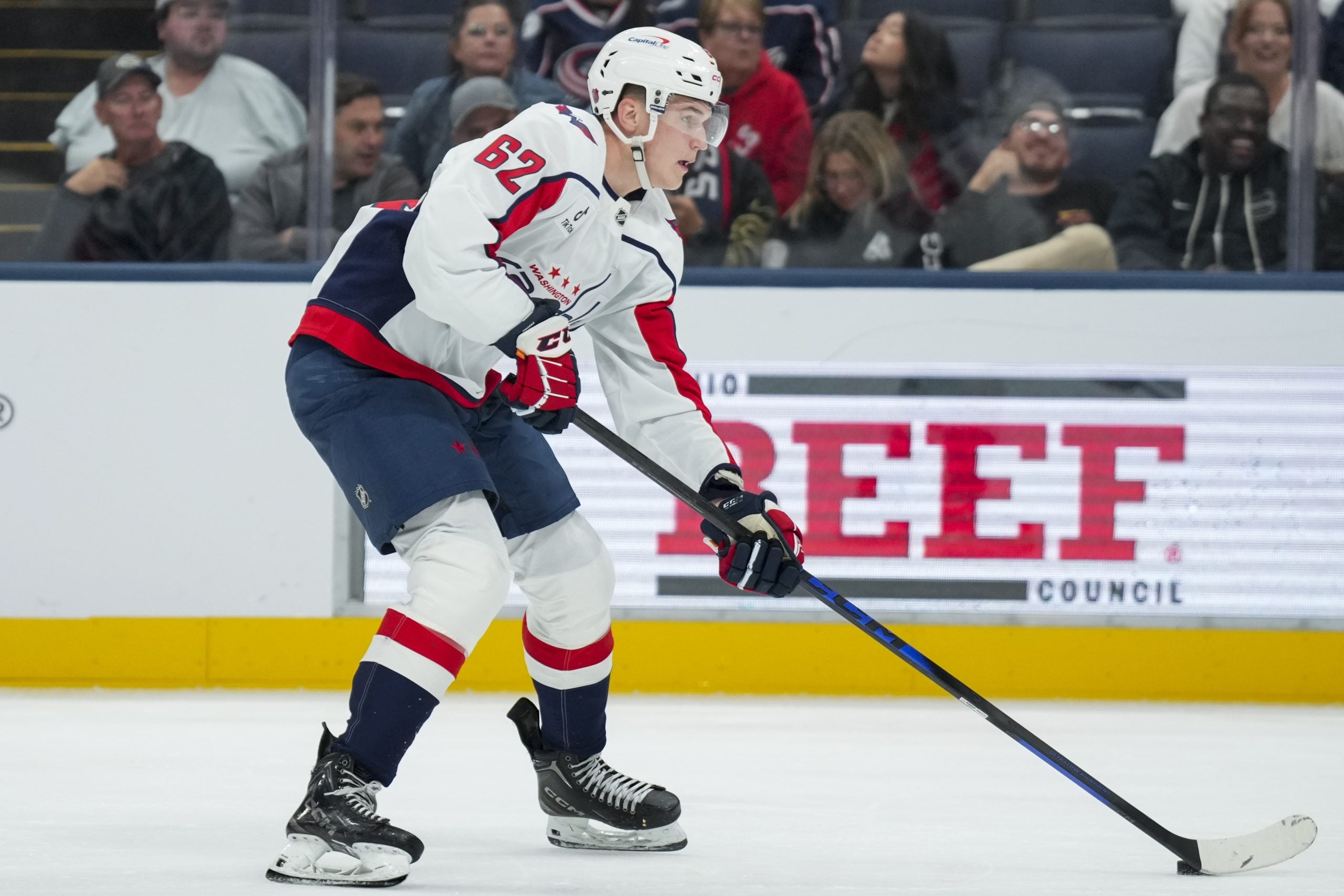
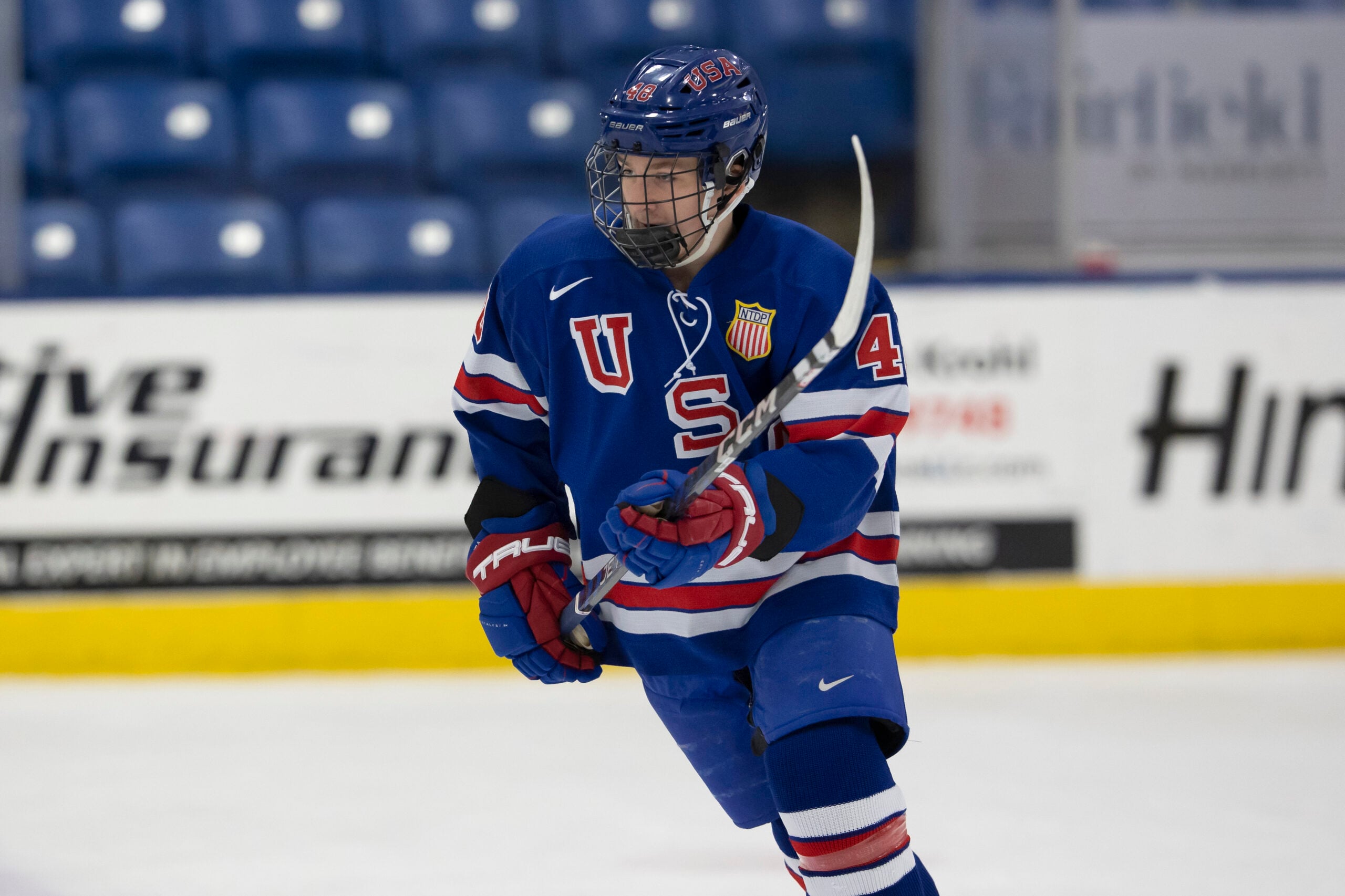
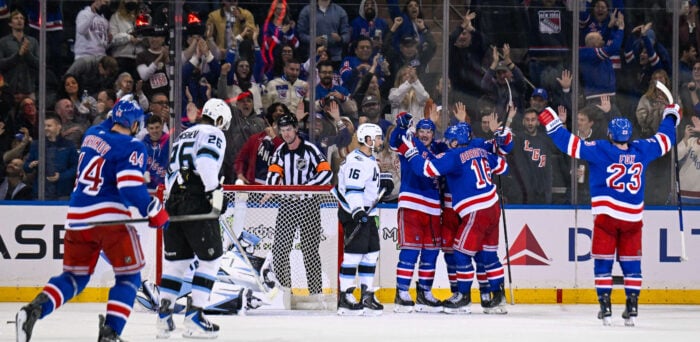
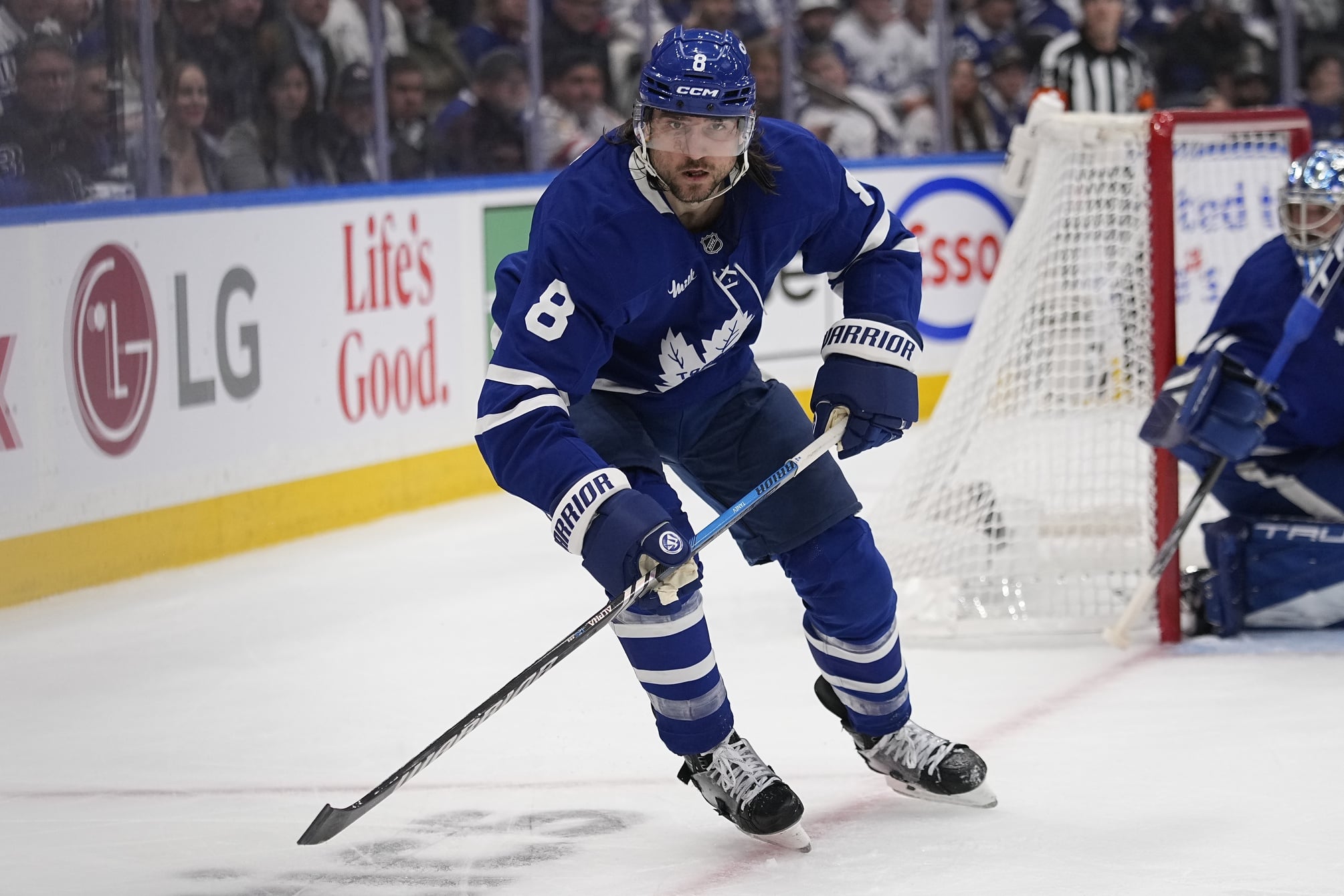
When there’s arts and sciences to coaching, the ability to understand a player and get to know them are the brushstrokes on a fine painting. Nelson learns how to get the most out of his players, and it means approaching every player differently. Ivan Miroshnichenko scored his 20th goal of the season in the 2-1 April 6 win over the Hartford Wolf Pack, and he needs the leeway to make plays, while Vincent Iorio is a defenseman who needs discipline. “All coaching is is trying to get the best out of each individual player,” Nelson stated as he connects with his players to get them to play at a high level.
The difficulty with the AHL is the turnover. Players come and go, get called up and sent down, traded and acquired, and moved around from one night to the next. It’s hard to build a relationship with a player who joins the team midseason, or in the case of some prospects, late in the season when a team like the Bears is looking ahead to the playoffs.
It’s why the messaging and setting the tone early are important for Nelson. “Everyday encounters with the hockey team, being a great communicator so they know I care about them, and it goes a long way,” he noted, as it creates a winning culture. It allows players who join the Bears to realize things are different with Nelson running things as “The guys that come in, they see what the culture is all about, and they buy in.”
Nelson as the Next Great Coach From the AHL
The AHL has no shortage of great coaches from a motivational standpoint to an innovative one. This is not only true with the landscape of the current coaches but has been throughout the league’s history.
Jon Cooper is the longest-tenured coach in the NHL and one of the most successful, leading the Tampa Bay Lightning to two Stanley Cup titles. He was in the AHL beforehand with the Syracuse Crunch. Jared Bednar won the Stanley Cup with the Colorado Avalanche in 2022. Before that, he won a Calder Cup with the Lake Erie Monsters in 2016. Kris Knoblauch was with the Hartford Wolf Pack before he joined the Edmonton Oilers, where he both turned around their 2023-24 season and allowed them to reach the 2024 Stanley Cup Final.
Every type of coach will have a tough transition to the NHL, whether it’s an assistant moving into the head coach role or a coach at the amateur level moving to the pro level. The AHL coaches are built for the adjustment. “I think this league’s harder to coach than the NHL because your roster is different every night. Guys get called up, guys get sent down, guys get put on waivers, it’d unpredictable, I don’t know what my lineup is going to be tomorrow,” Nelson stated. Forming chemistry and working with the same players throughout the season is nearly impossible, and it often leaves coaches scrambling hours before the puck drops.
“We carry a lot of bodies here, and some players get upset when they don’t play, so I gotta manage that,” Nelson continued when discussing the difficulties of coaching at the AHL level. It also doesn’t help that the NHL team wants some players playing bigger roles in part because they are prospects, and some teams are forced to play them while leaving better veteran options on the bench. That said, if there’s one coach who has mastered that balance, it’s Nelson. The Bears have a mix of veterans, prospects, journeymen, and everyone in between, yet they all buy in and play a big role on a juggernaut.
In a league filled with great coaches, Nelson stands out. Many teams are trying to emulate his style and become the teams to beat the Bears from the Charlotte Checkers who trail them in the Atlantic Division, to the Laval Rocket and Rochester Americans, the two best teams in the North Division. Yet, the Bears remain the team to beat and it’s why a three-peat, which hasn’t happened in the AHL since the 1960s, is a real possibility.
This team knows what it takes to get over the hump and they have a coach who has them playing playoff hockey down the stretch. Their recent 2-1 win was their 25th one-goal victory of the season, and it came one night after they won 3-2 in overtime thanks to an Alex Limoges goal. The ability to win close games has prepared them for tight games, which there will be plenty of in the Calder Cup Playoffs.
Free Newsletter
Get Hershey Bears coverage delivered to your inbox
In-depth analysis, breaking news, and insider takes - free.
Subscribe Free →