The Pittsburgh Penguins have spent the offseason making interesting moves, but there is still a difference between making interesting moves and making the move that changes the direction of the roster.
That is the part Kyle Dubas still has to figure out. The Penguins have added younger players, taken swings on former high picks, brought in short-term scoring help and reshaped parts of the blue line. Most of those decisions make sense for a team trying to stay competitive around Sidney Crosby while also preparing for a future that is getting harder to ignore.
Still, Pittsburgh’s trade-board conversation points to a larger issue. The Penguins have more options than they did a few weeks ago, but they still do not have an obvious long-term top-six forward solution behind the veteran core. A recent Pittsburgh Hockey Now trade-board reset centered on that exact need, especially with Evgeni Malkin nearing the end of his Penguins career and veterans like Bryan Rust and Rickard Rakell moving deeper into their 30s.
That is where this offseason becomes complicated. Pittsburgh has collected useful pieces, but Dubas still has to decide whether useful is enough.
Penguins Have Made Smaller Upside Bets
Dubas has not been passive. Pittsburgh’s trade for Nicholas Robertson gave the Penguins a 24-year-old winger with scoring pedigree and a need for a larger opportunity after his time with the Toronto Maple Leafs. THW’s coverage of the Robertson trade framed the deal as a low-cost swing, which is exactly the kind of move a retooling team should be willing to make.
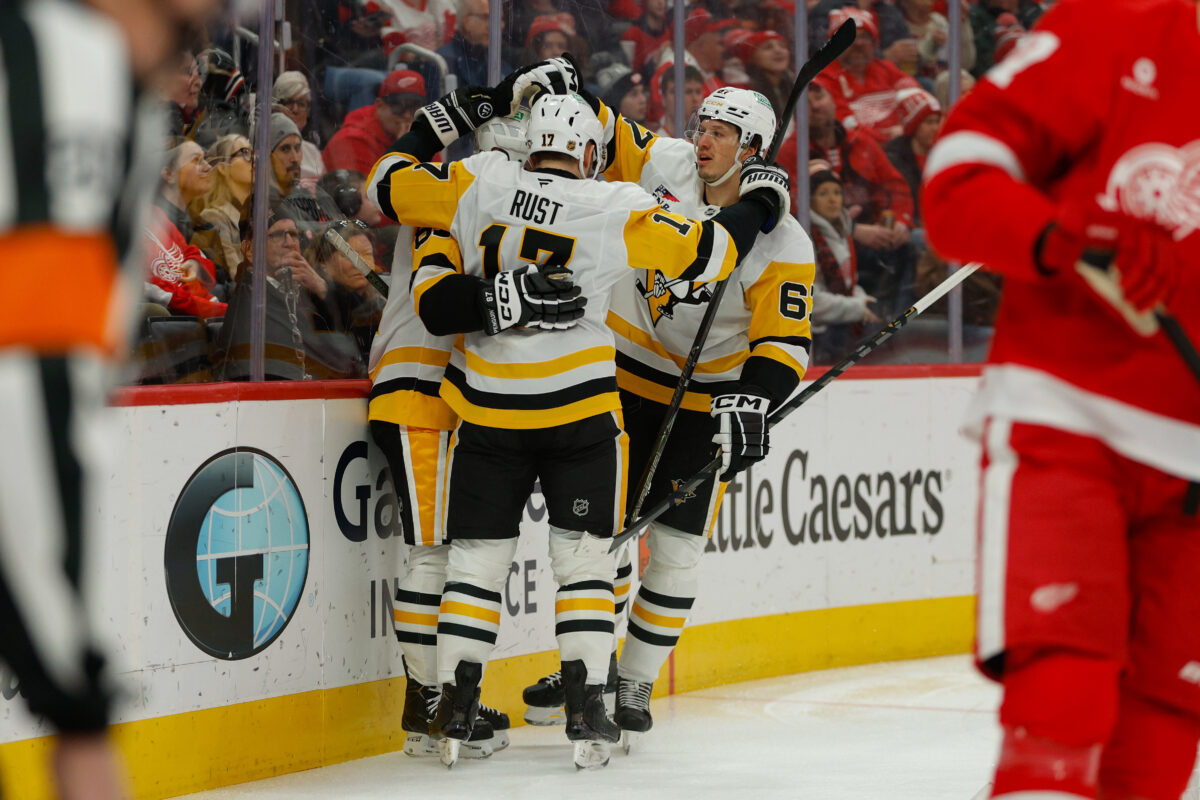
The Penguins also added Andrei Kuzmenko on a one-year deal, giving the roster another skilled winger who can help immediately without locking the organization into a long-term commitment. THW’s story on the Kuzmenko signing showed why the move works as short-term scoring help, even if it does not answer the bigger question about Pittsburgh’s future top six.
Hendrix Lapierre fits the same broader pattern. He is young enough to still have upside, experienced enough to push for NHL minutes and inexpensive enough that the risk is manageable. Add in Kaedan Korczak, whose arrival was examined in THW’s look at Pittsburgh’s bet on Korczak’s upside, and the plan becomes clear.
Dubas is collecting players who still have something to prove. That is smart roster building in moderation, but it can also create a new problem if too many of those players stay in the same tier. The Penguins have added possibilities, but they still need one of those possibilities to become something more certain.
Penguins Still Lack the Next Top-Six Anchor
The Penguins know who their top names are right now. Crosby remains the center of everything, Malkin is still an important part of the offense, and Rust and Rakell continue to give Pittsburgh proven NHL production on the wing.
That is the present. The future is less clear, and that is why this roster still feels unfinished. Pittsburgh’s current cap picture gives Dubas room to keep working, but cap flexibility only matters if it eventually turns into impact talent.
Robertson could become more than he was in Toronto. Egor Chinakhov has already shown signs of becoming a legitimate offensive piece. Rutger McGroarty and Ville Koivunen still have development value. Ben Kindel is intriguing, and Lapierre has enough pedigree to deserve a real look.
Still, there is a difference between having interesting forwards and having the next top-line or high-end second-line player. The Penguins have a lot of players who could fill roles, but they have fewer who clearly project as future offensive drivers. That is the bigger swing Pittsburgh has not made yet.
Dubas Cannot Only Collect Maybes
There is value in betting on talent before it becomes expensive. Robertson is a good example because Pittsburgh did not have to surrender a premium asset to acquire a player who still has real scoring upside. The issue is not the move itself. The issue is what happens if every move is built around the same idea.
A roster can become crowded with maybes without becoming dangerous enough at the top. That is where the forward group sits now. A recent PensBurgh depth chart showed how many forwards are competing for limited spots after Pittsburgh’s offseason activity.
Robertson, Kuzmenko, Lapierre, McGroarty, Koivunen, Elmer Soderblom, Justin Brazeau, Tommy Novak and others all need some level of opportunity. Competition is good, but competition alone does not create a top-six answer. It creates pressure on the coaching staff, pressure on the front office and pressure on the young players who need NHL minutes to prove they belong.
At some point, a retool has to turn quantity into quality. That may be the next challenge for Dubas.
Penguins’ Trade Assets Could Eventually Force a Choice
The Penguins do have pieces to work with. They have cap space, prospects, younger NHL players and veterans who could appeal to contenders if Pittsburgh decides to move in that direction. They also have a general manager who has not been afraid to make uncomfortable trades.
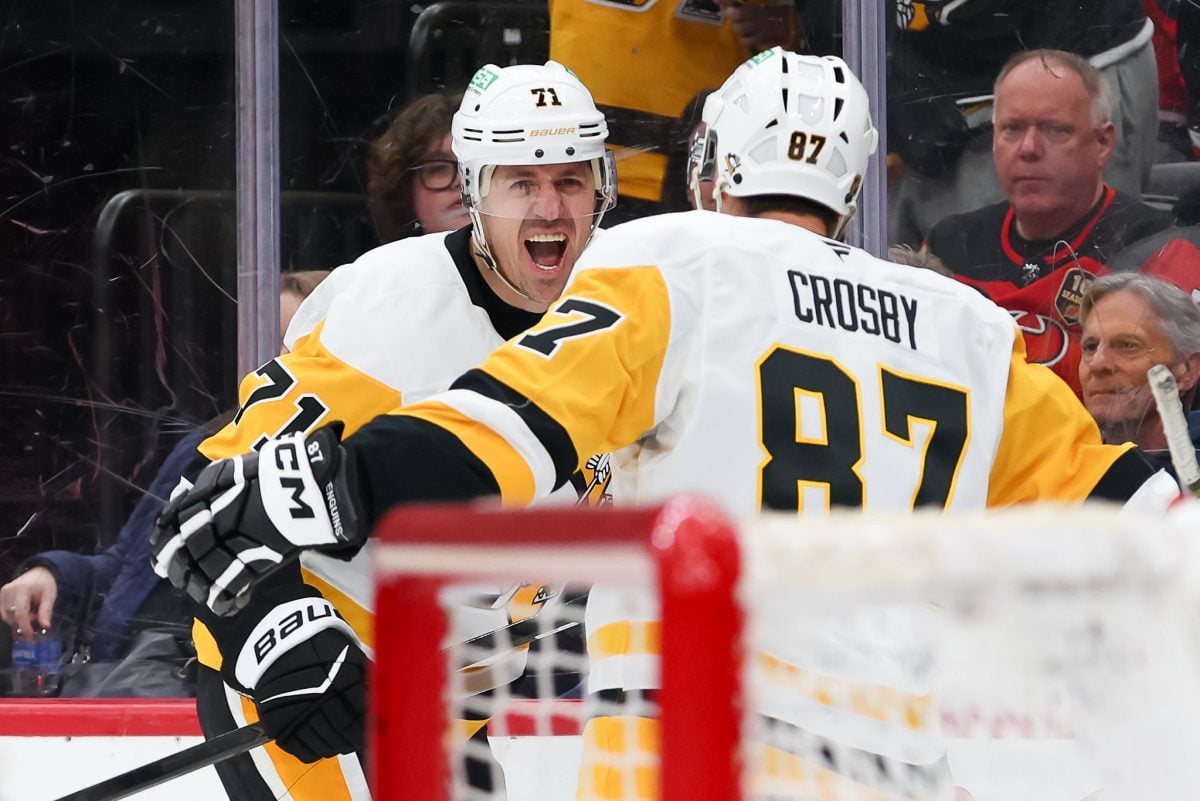
PensBurgh’s recent look at Dubas’ major Penguins trades reinforced how aggressively he has reshaped the organization since arriving in Pittsburgh. The Erik Karlsson deal, the Jake Guentzel trade, the Marcus Pettersson move and several smaller transactions all point to a front office willing to keep adjusting the roster rather than protecting the old version of it.
The question is what kind of trade comes next. Moving a depth player to clear a roster spot is one thing. Moving Rust or Rakell would be something else. Packaging prospects or picks for a younger top-six forward would be an even bigger statement.
That is the tension. If Pittsburgh keeps Rust and Rakell, the Penguins give Crosby a more stable veteran lineup. That matters because Crosby has earned more than a vague promise of the future. But keeping every veteran also limits the path for younger forwards and delays the larger transition.
If Pittsburgh moves one of them, the return has to push the organization forward. Trading a proven top-six winger just to get younger would not be enough. The Penguins need to get younger and better-positioned, which is much harder than simply clearing space.
Penguins Need More Than Short-Term Scoring
Kuzmenko is useful because Pittsburgh needed more offense. Robertson is useful because he has a shot that could play up in the right role. Chinakhov is useful because he already looked like a real piece after arriving in Pittsburgh. Lapierre is useful because cheap, young depth matters.
But the Penguins need more than useful. They need someone who can grow into a major offensive role as the current core ages out. That player might already be in the organization, but Pittsburgh cannot assume that. Koivunen still needs a defined NHL path, which is why I wrote that the Penguins need a real plan for Ville Koivunen. McGroarty still has to prove he can become more than a promising young forward. Robertson still has to show his scoring can translate with a longer leash. Chinakhov has to prove his breakout can last.
Those are all fair bets. There are no full answers yet.
That is why a bigger move should remain on the table. The Penguins do not necessarily need to chase the loudest name available. They need to identify the right kind of player: young enough to fit the next version of the roster, skilled enough to project into a top-six role and established enough that Pittsburgh is not simply adding another unknown.
That is a difficult player to acquire. It should be. Teams do not give away that profile easily.
But if the Penguins are serious about building beyond Crosby, Malkin, Rust and Rakell, that is the market they eventually have to enter.
Penguins Have Flexibility, But Need Direction
Pittsburgh’s long-term salary-cap picture gives Dubas room to be patient, aggressive or both. PensBurgh’s look at the Penguins’ long-term cap situation highlighted how much flexibility the organization can have beyond the current season, especially with so few long-term commitments on the books.
That flexibility is valuable, but it is not a plan by itself. Cap space only matters when it becomes a player, a trade path or leverage. Draft picks only matter when they become prospects, NHL contributors or assets in a larger move. A crowded forward group only matters if the best players separate from the pack.
That is why Dubas’ next big move has to clarify the direction. The Penguins are not fully rebuilding, but they are also not true all-in contenders. That middle ground can work only if the front office is honest about what the roster has and what it lacks.
Right now, Pittsburgh has depth, flexibility and several interesting bets. It also has a crowded forward group, enough veterans to remain competitive and enough cap room to keep working through the offseason. What it does not have is a clear next offensive centerpiece.
Dubas’ Next Swing May Have to Be Bold
The smaller moves were necessary because teams cannot only hunt stars. They need depth, internal pressure, cheap upside and players who can outplay their acquisition cost. Robertson, Lapierre, Kuzmenko and Korczak all fit different parts of that plan.
Eventually, though, the Penguins need a move that changes the conversation. Not a move that only adds another name to the depth chart. Not a move that only buys one more season. Not a move that simply keeps the team respectable.
They need a move that gives the next version of the Penguins a real top-six answer.
That is why the trade board matters. It shows the space between what Pittsburgh has done and what Pittsburgh still needs to do. Dubas has made the roster more interesting, deeper and more flexible, but the Penguins still need to find out whether one of those options can become something bigger.
If not, the next swing cannot just be calculated. It may have to be bold.
Free Newsletter
Get Pittsburgh Penguins coverage delivered to your inbox
In-depth analysis, breaking news, and insider takes - free.
Subscribe Free →