The New Jersey Devils enter the Olympic break in a position they never envisioned at the start of the season — still searching for consistency, clarity, and momentum. Once viewed as a legitimate Stanley Cup contender, New Jersey has instead spent recent months spinning its wheels, undone by scoring droughts, defensive lapses, and an inability to deliver complete performances.
While the timing of the Olympic pause may feel inconvenient for some teams, it could not come at a better moment for the Devils. With a roster that has looked worn down both physically and mentally, the break presents an opportunity to reset, recalibrate, and address issues that have lingered far too long.
A Much-Needed Physical Reset
The Devils’ struggles have not occurred in a vacuum. Injuries have piled up, and even players who have remained in the lineup have clearly been operating below 100 percent. The condensed schedule, travel demands, and heavy minutes, particularly for the team’s core, have taken a visible toll.
In the final games before the break, Jack Hughes remains sidelined, missing his second straight contest with a lower-body injury. While the injury is not believed to be serious, it continues a season-long trend of injuries that have plagued the Devils. Luke Hughes is also out after being placed on long-term injured reserve with a shoulder injury, while Cody Glass has shuffled in and out of the lineup throughout the season due to recurring injuries.
Related: Devils Week Ahead: Schedule & Storylines — Hughes Day-to-Day, Hamilton’s Resurgence, and More
The Olympic break provides extended recovery time that simply doesn’t exist during a normal NHL grind. Players dealing with nagging injuries can finally heal without the pressure of rushing back. For a team that relies heavily on speed, pace, and transition play, regaining physical sharpness could be transformative.
Health alone won’t be a cure-all, as January proved when much of the lineup returned, and the Devils continued to struggle. But a fresher roster gives New Jersey a clearer path back to its identity. When the Devils are playing their game, they’re aggressive on the forecheck, fast through the neutral zone, and unforgiving in transition — traits that fuel their success.
Mental Reset
Perhaps even more important than the physical rest is the mental break. Too often this season, the Devils have looked like a team gripping its sticks a little too tightly. The chances have been there, but confidence has been elusive — missed opportunities snowballing into frustration, and small mistakes quickly becoming costly.
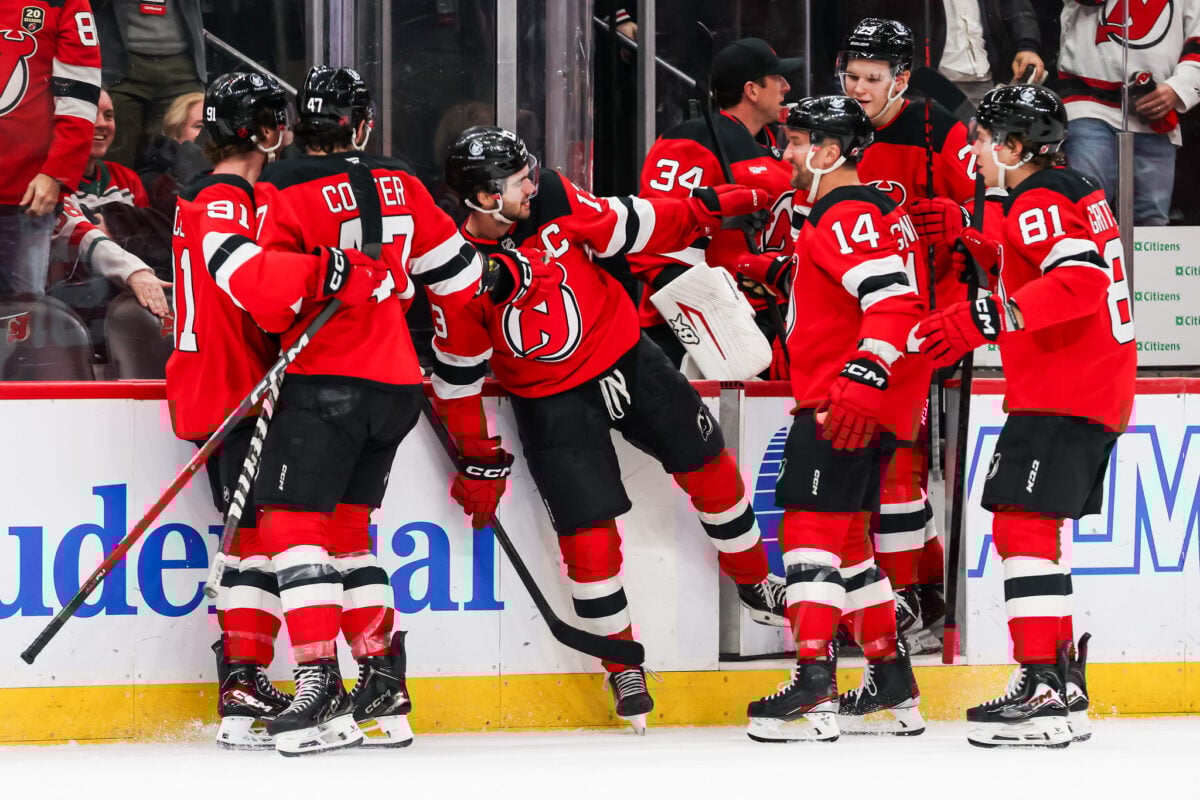
That lack of confidence is reflected most clearly on the scoresheet. New Jersey has struggled majorly to generate offense, ranking 28th in the NHL in goals per game and last in the Eastern Conference. Through their first 55 games, the Devils are averaging just 2.58 goals per contest — a glaring issue that has repeatedly undermined otherwise competitive performances, even in games where they’ve controlled play and generated ample shots and scoring chances.
The upcoming break offers the Devils a chance to step away and reset, particularly on the mental side. Time away from the rink and the grind of the schedule could help clear minds and restore confidence. That mental reset may prove critical in the final, pivotal stretch of the season. If New Jersey has any hope of pushing for a playoff spot, this break must serve as a true turning point — one that sends the team back hungry, focused, and ready to make a postseason push.
Coaching Adjustments
The break also gives the coaching staff something invaluable: time. During the regular season, practice days are limited, and adjustments often need to be made quickly. The stretch off can give coaches time to evaluate systems, address persistent issues, review roster moves, and implement changes.
Head coach Sheldon Keefe has been forced into a series of difficult decisions in recent weeks. From the eyebrow-raising move of making Dougie Hamilton a healthy scratch to the sudden trade of Ondrej Palat to the New York Islanders just moments before puck drop, roster turbulence has defined this stretch. Add in constant offensive shuffling with Cody Glass and Jack Hughes moving in and out of the lineup, and continuity has been hard to come by. The break gives Keefe a valuable opportunity to step back, assess what has and hasn’t worked, and hopefully identify a clearer path forward as the Devils try to stabilize their game.
The Chance to Work on Team Identity
The Devils have one of the most talented rosters across the NHL. They are a team of dynamic skaters, skilled shooters and some of the best defensive defensemen. However, none of that has been true in recent months. The Devils’ identity has been inconsistent at best and a train wreck at worst.
Early in the season, New Jersey was dominating the ice: outshooting opponents, winning puck battles, and moving seamlessly as a unit. Today, hesitation and disorganization have taken hold, depleting confidence and momentum. This break offers a critical opportunity for the Devils to have a candid, hard-hitting conversation about the remainder of their season, recommit to the habits that once made them nearly unbeatable, and restore the cohesion that allowed their talent to shine.
Next Steps for the Devils
The Olympic break won’t magically fix everything. The Devils will still need to execute, compete, and prove they can win consistently when play resumes. But for a team that has looked fatigued, frustrated, and disjointed, the timing of this pause could be pivotal in their hopes of getting a wild-card spot in the postseason.
If New Jersey uses the break to heal, reset mentally, and realign its identity, it could emerge looking far more like the contender many expected at the season’s start. There is no more room for error, and how they respond once play resumes will be a turning point for the Devils.
