We are 67 days from the start of the NHL regular season, and while there has already been plenty of movement deep into the offseason, the same can’t be said for the Ottawa Senators, as they have made just ten signings since July 1 – five of which have been new faces brought in.
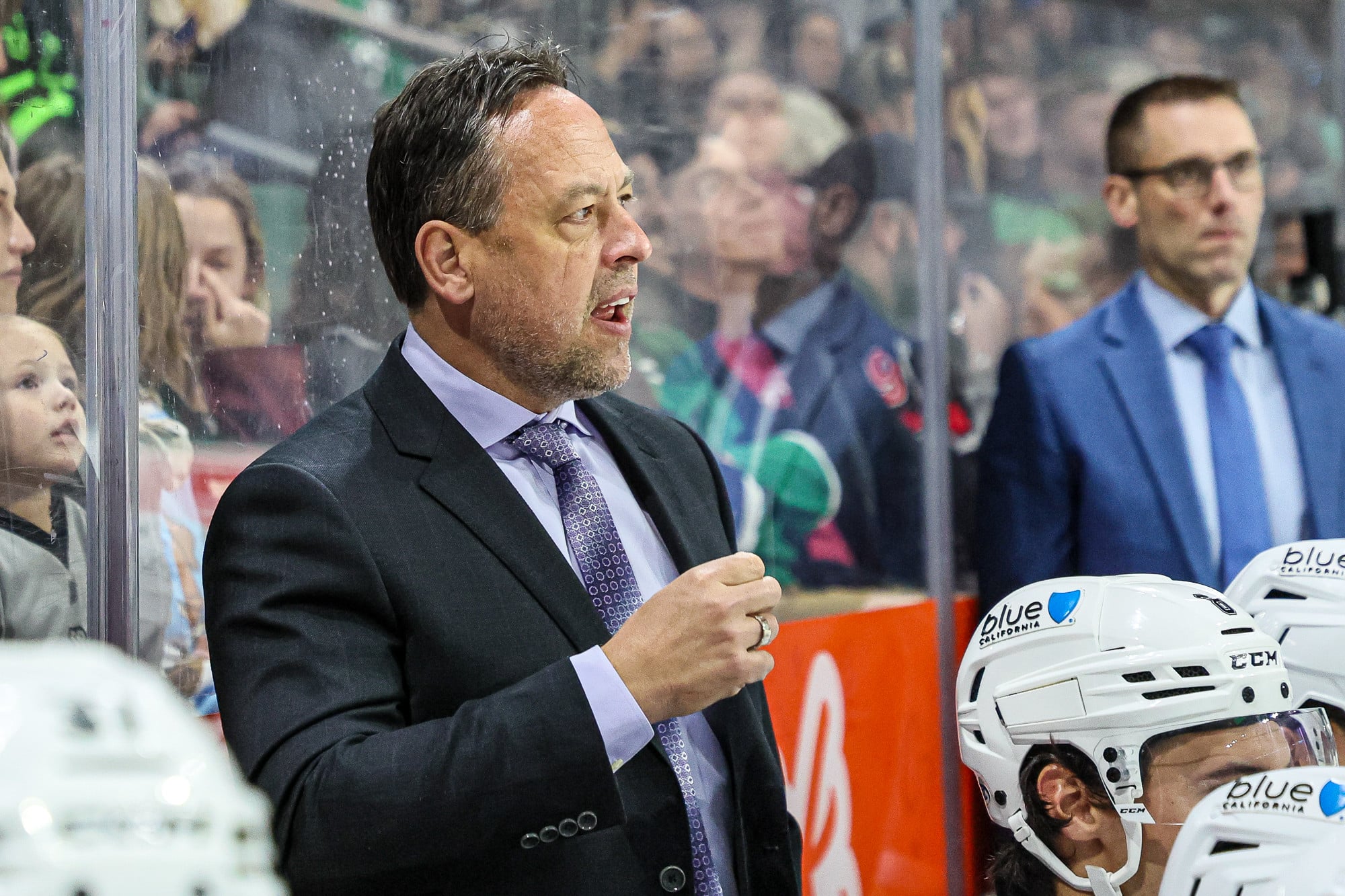
Though the Sens had hopes of shaping up their forwards, the Brady Tkachuk trade has no doubt shifted their plans for the top-six lines, mainly who will play on Tim Stutzle’s wings. Among other things, coach Travis Green will have some work to do in deciding who is best in which role, or debating whether he should run it back with nearly the same lines as last season.
Assuming this is the roster Steve Staios plans on taking into the start of the season, the defensive pairings should be set in stone. But with some question marks up front, we will have a look at what lines the Senators might put together if they went into September with this current forward core.
First Line: Eklund-Stutzle-Foegle
Stutzle and William Eklund will be the obvious big guns on this top line, and for all the right reasons. Eklund, who was brought in from the San Jose Sharks right before the draft in Buffalo, brings more of a pass-first playmaking style to complement a two-time 30-goal-scorer as his centre, but carries an underlooked defensive game to go with it. Stutzle can be a nifty playmaker with a great shot in his own right, but has also stepped up his defensive game over the years.

With two offensive talents driving the first line, another would only limit their puck possession and take up most of their ice. What these two need is someone to cause trouble in front of the net and free up the puck for them – preferably a power forward or someone with bite to their game to antagonize whichever opponents they play against. Without question, this should be Staios’ next target to improve the club, but this is a list of ‘current’ names on the team.
The Senators do have a few physical options in mind, but the closest one matching the description for what they need on line one is Warren Foegele. Acquired from the Los Angeles Kings at last season’s trade deadline, Foegle brings a hard-nosed, two-way north-south game – the same style the Sens are hoping to match on all four lines. Recording just 74 hits in each of the last two seasons, he’s never been known as a physical specimen, but Foegele creates his offence by driving to the net and uses his speed to force turnovers and disrupt breakouts.
Now, playing Foegele with these two would create uncertainty about who plays the right wing since he and Eklund are both more accustomed to the left. Other than that, this seems like a solid match on paper for both ends of the ice. All three are solid at defending and create offence in their own different ways.
Second Line: Greig-Cozens-Batherson
Ridly Greig and Dylan Cozens are already familiar with one another. Both averaged an expected goals percentage (xGoals %) of 65.6% with Tkachuk last season and also led the team in expected goals for per 60 minutes (xGF/60) with 3.76. As good offensively as they were, the two are also known for their grit and physicality, with Cozens’ team-leading 215 hits and Greig’s pesky and energetic play.
While Greig could easily slot in with Stutzle and Eklund on the top line because of his experience on the right side, why break up a good thing between him and Cozens? If the Senators need to swap guys around for depth or injuries, they can cross that bridge when they get there, but the key is to trust what they already have – just as they did late last season in their playoff push.
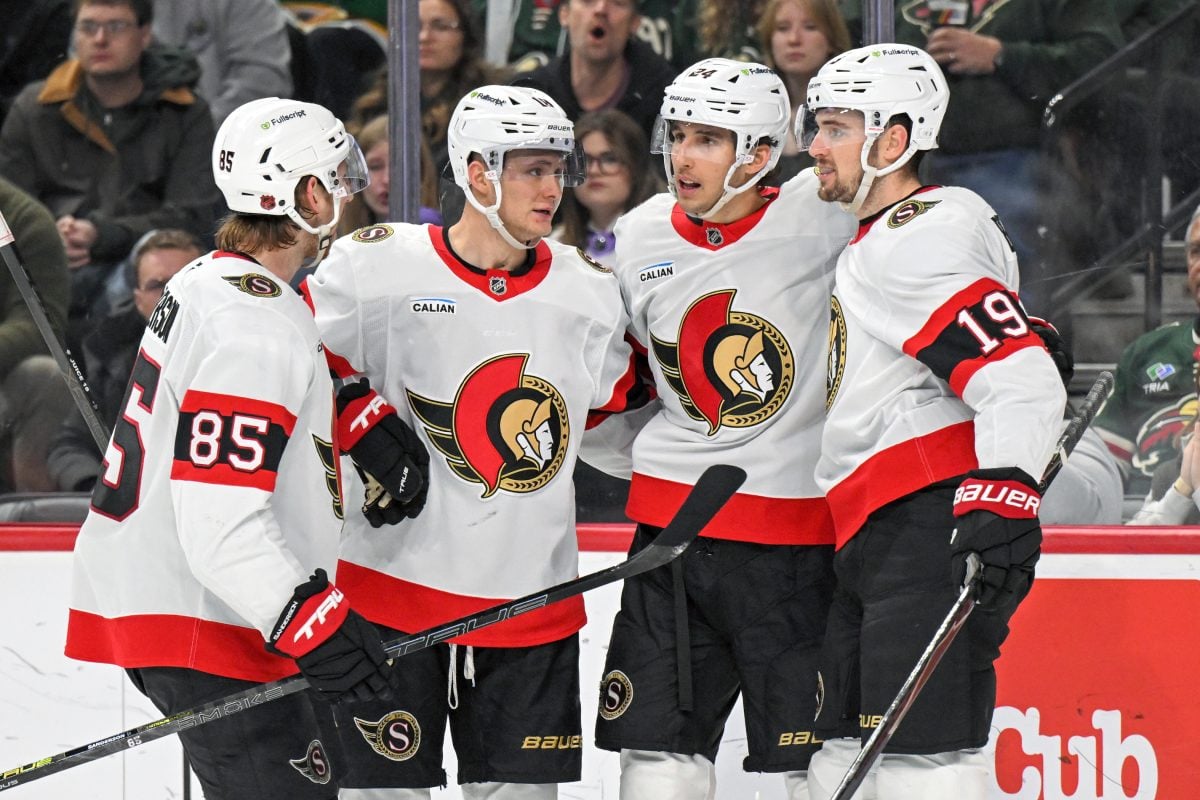
But if coach Green were to run it back with these two on his second line, who should be on their right wing? Why, Drake Batherson, of course. The now second-longest tenured Senator, along with Thomas Chabot, has been bounced up and down throughout the top six for the last several seasons, mainly to fit with a certain style of play. His playmaking and continued growth on defence and physicality are only proof of what makes the eight-season-veteran a solid piece to this club.
With Cozens driving this second line as the power forward causing problems, Greig can free up pucks in the corner while Batherson sets either one of them up. As well, this is a tenacious and defensive trio who, if disciplined enough, won’t get scored on a whole lot and can make life miserable for opponents.
Third Line: Giroux-Pinto-Amadio
Also familiar with one another, Michael Amadio and Shane Pinto were the driving forces of Ottawa’s third line last season. Not only did they average a 61.9% xGoals % in 290 minutes with Nick Cousins, but they also played over 284 minutes with Claude Giroux, who was brought back on a one-year deal – that’s roughly 44 games.
Their xGoals % in those games: 59.8%, which doesn’t seem groundbreaking, but was still top-five on the team last season. Because of each member’s two-way abilities, the line also finished last season with a solid expected goals against per 60 minutes (xGA/60) of 1.69, which was the team’s third-best.
But enough of the advanced analytics; the real reason this line could be a great shutdown trio is pure flexibility. While Pinto is the overall centre, winning 51.8% of his faceoffs last season, Giroux and Amadio can each play both wings. However, fresh off leading the league in faceoff percentage last season at 63.1%, Giroux can help out in that area as well at times.
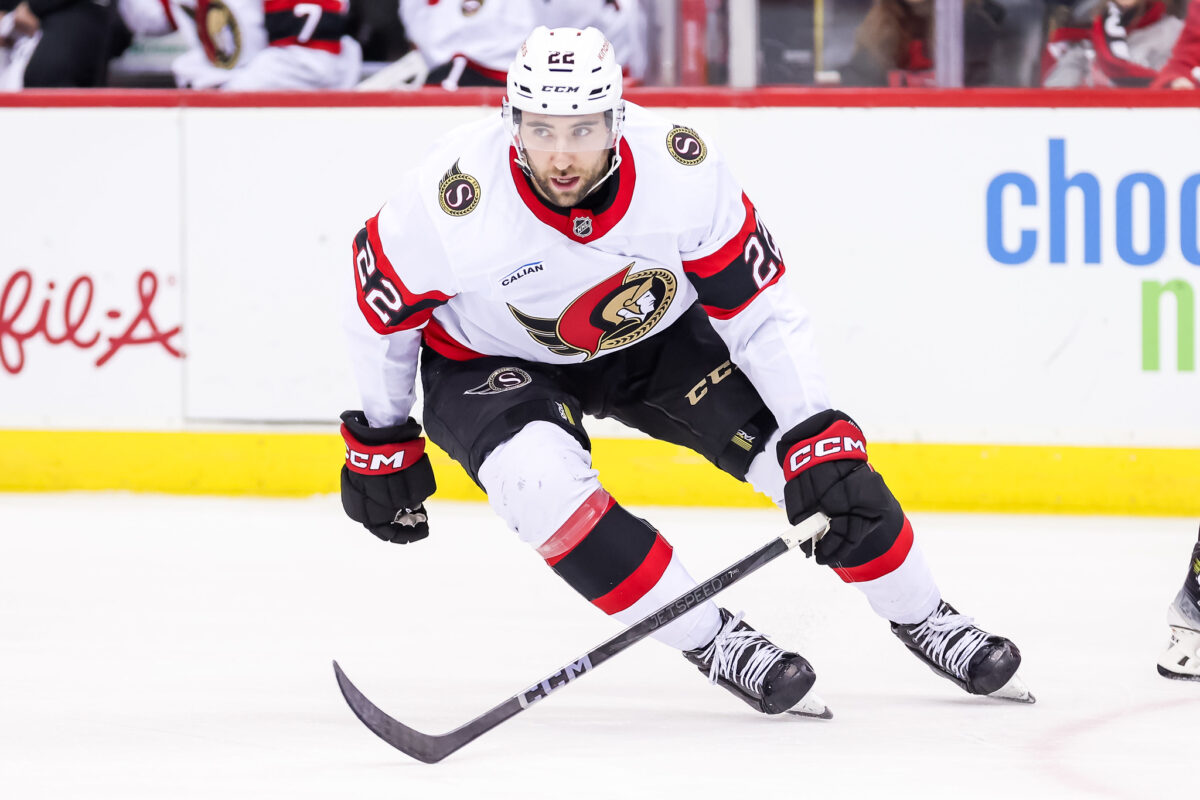
At 38, Giroux might seem like the guy to slow this line down, but he’s still a sound centreman who won’t need to be thrown into high-leverage penalty kill situations – that’s what role Pinto, Amadio and even Greig and Stutzle should play to start. It will only be up to the veteran to give his linemates the puck and not get into bad spots to force himself back.
Again, similar to the second line, the Sens roll with a defence-first group who can supply a bit of offence while mucking it up. Two guys who finish their checks and are reliable defensively in Amadio and Pinto are accompanied by the savvy vet Giroux – in what could be his final go-around in the league – who is equally as responsible in positioning himself and can provide that bit of offence.
Fourth Line: Cousins-Halliday-Burakovsky
Nick Cousins is the only remaining fourth-liner after these predictions and for good reasons – veteranosity, peskiness, and two-way pedigree. Yet, with the acquisition of Andre Burakovsky, we already discussed where he might be in the lineup, and that includes the makeup of this new-look fourth line.
Next to another sound defensive option to both aid Burakovsky and pair with Cousins, the Senators also have to consider the importance of giving Stephen Halliday a chance to grow, much like they plan on doing with Carter Yakemchuk. So, why not put the 6-foot-4, 212-pounder between the two as the new 4C?
Is it risky to put a 24-year-old in such a key position? Absolutely. But in the 30 games he got with Ottawa last season, Halliday made good of them on both sides of the puck – not only potting 11 points in that stretch, but showcasing why he is hard to take the puck off or keep it from. He also makes good use of his frame in front of the net.
If the experiment fails or the Sens are struggling out of the gate because of this, it’s an easy fix with Cousins slotting into this spot and Halliday going to the wing. But if coach Green wants the best out of the youngster, he has to keep pushing Halliday and expect more out of him, and starting him at his natural position will help with that.
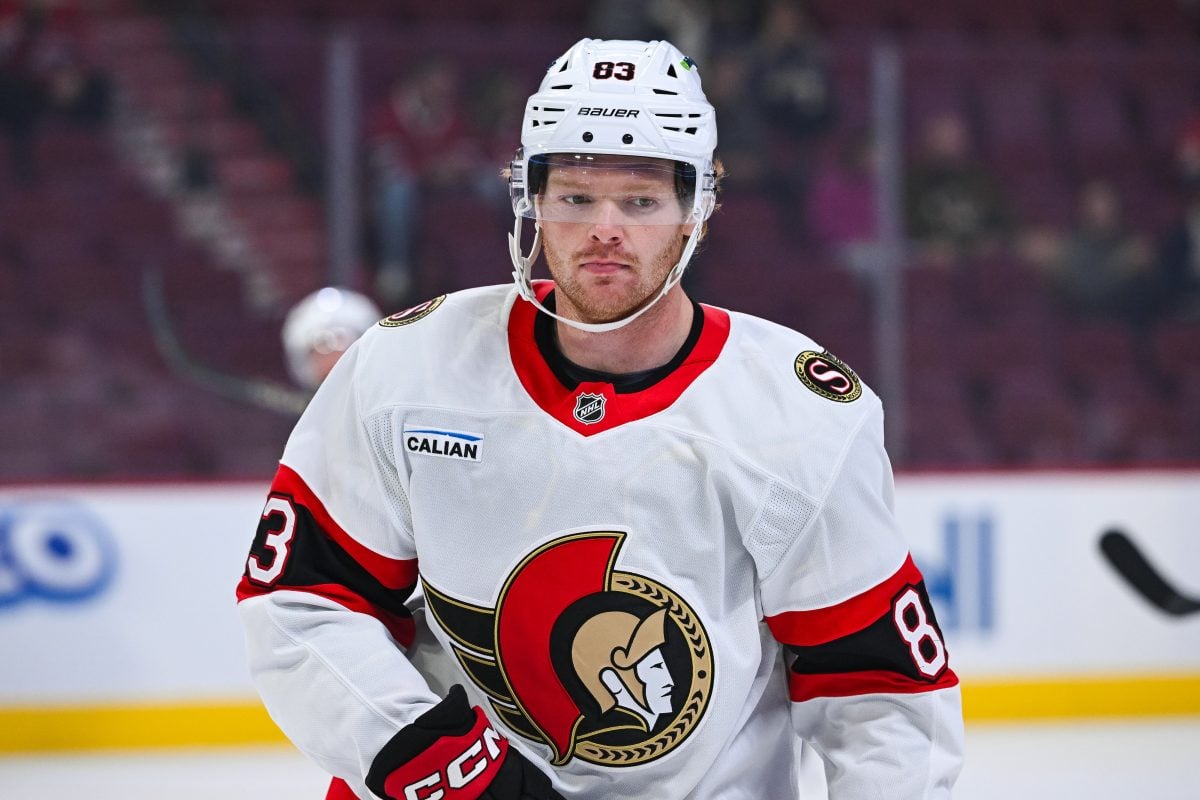
Though young, Halliday is just the bottom-sixer every coach wants – a guy with plenty of utilities that is hard to play against. Not that Cousins isn’t that guy either; he’s hard to face in his own right, but combine a pesky guy with Burakovsky’s offensive instincts and Halliday’s big frame down the middle, and you have an interesting energy line – even though Burakovsky’s defence is questionable.
Extras: Zetterlund, Blais, Tomasino
Hypothetically, the Senators’ 12 forwards are set. You have a nice blend of offence, grit and battle, with the main strength being defence on all four lines. So, who’s left? Who has been either left out of the picture or can provide something else if Ottawa needs it?
Philip Tomasino and Sammy Blais were each signed on the first day of free agency, but the fact that Blais got two years on his deal is a sign that the Sens might have plans for him if they need to shake things up. A natural left winger, his aggressive forechecking and hard-nosed play don’t just fit into Ottawa’s bottom-six playing style, but give Blais the edge over Tomasino in terms of ice time.
However, if there is any forward the Senators are asking questions about, it’s Fabian Zetterlund. Acquired from San Jose at the 2025 Trade Deadline, Zetterlund was poised to be a great contributor to the club’s middle-six with his two-way strengths and underrated grit. So far, he’s looked great physically, finishing with the fourth-most hits on the team last season with 155, but the offensive production has not quite been there yet.
The 33 points in 82 games last season are one thing, but Zetterlund is scoreless in two trips to the playoffs for the Senators. Not ideal numbers for someone just signed to a $4.275 million cap hit last summer. Now, with new depth pieces added to the fold, Zetterlund’s time with Ottawa could either be limited or he could be moved altogether, especially when Blais is being paid far less to hit just as much per game.
Zetterlund could be an option for the top line now that Eklund, his old friend from San Jose, is here, but Foegele can produce more takeaways with his forechecking, and both are as good defensively. All in all, the Senators can’t have too many of the same role guys on the team, which is why one of Zetterlund or Foegele – maybe both – would have to be packaged for that top-tier forward to slot onto the right wing of that first line.
Again, while this is what the Sens’ forward groups could look like come opening night, these are only ‘if’ no other moves are made. Can they still be effective? Of course, this is mostly the same team that turned it on late last March to make the playoffs. But if they want to reach that next level, Ottawa can absolutely get better up front.
Free Newsletter
Get Ottawa Senators coverage delivered to your inbox
In-depth analysis, breaking news, and insider takes - free.
Subscribe Free →