From the outside, it was easy to reduce Saturday night’s incident to a single clip — a punch thrown, a player caught off guard, and a suspension handed down. But inside the Ottawa Senators’ room, the situation surrounding Logan Stanley’s one-game suspension has been framed far differently.
For the Senators, this wasn’t about outrage or retaliation. It was about composure, accountability, and a growing sense that this team is learning how to navigate adversity without losing its identity.
What Happened — And Why It Escalated
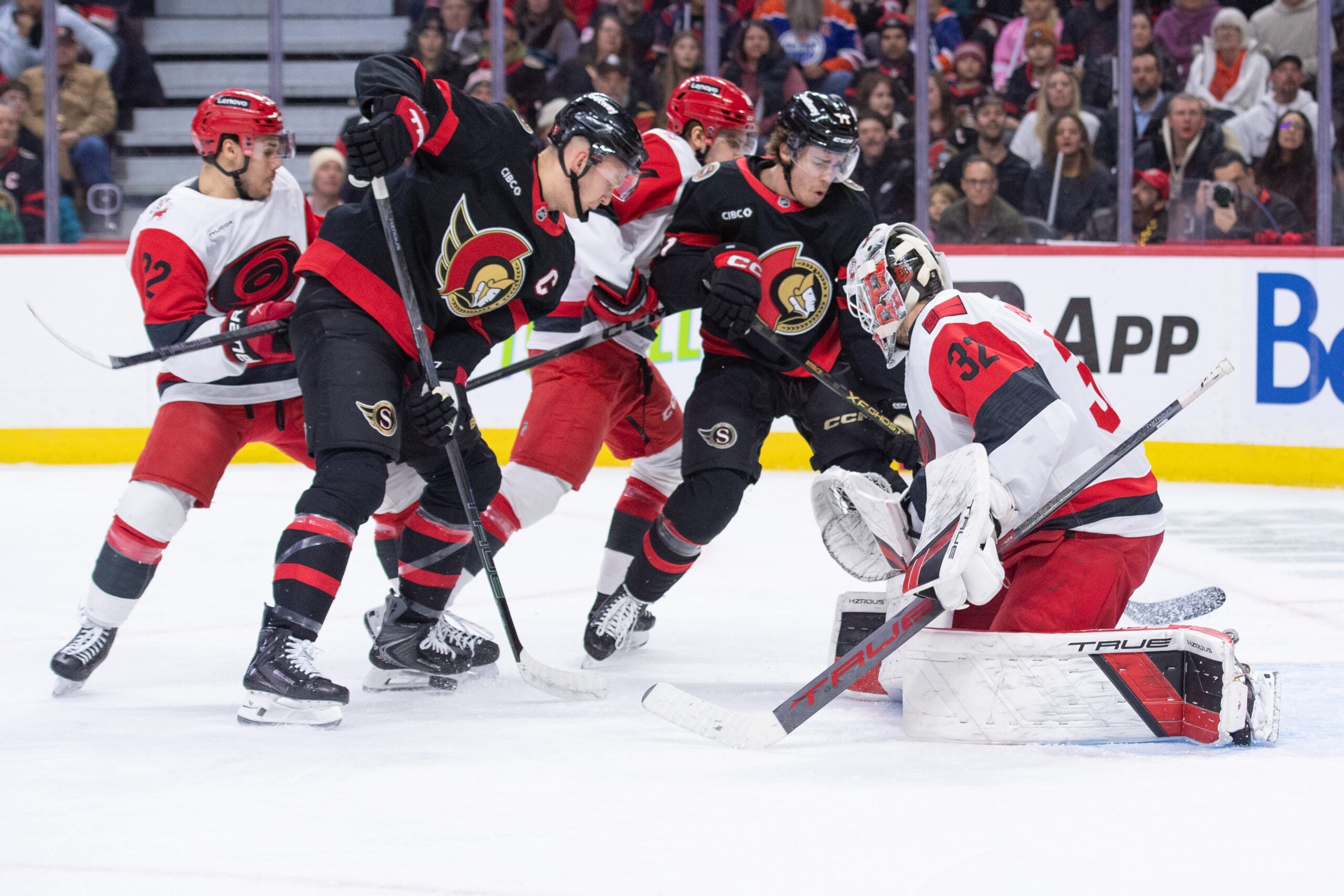
Late in Ottawa’s win over the Winnipeg Jets, Brady Tkachuk was engaged along the boards with Stanley near the Senators’ bench. Tkachuk appeared to be attempting to finish a physical play, leaning into Stanley as officials moved in to separate the two. As the scrum de-escalated, Stanley threw a right hand that caught Tkachuk off guard.

The punch didn’t result in serious injury, but it did cross a line. The Department of Player Safety handed Stanley a one-game suspension for roughing, citing the fact that Tkachuk was not expecting the blow and was already being separated by an official.
From Ottawa’s perspective, the ruling was fair — and more importantly, final.
Tkachuk’s Response Sets the Tone
When Tkachuk addressed the incident publicly for the first time, his comments were revealing not because of what he said, but because of what he didn’t.
“I wasn’t happy getting suckered,” Tkachuk admitted. “But the league made its decision. I’m over it. It’s in the past.”
Related: Senators Week Ahead: Schedule & Storylines – Goaltending, Stützle, Chabot and More
This is a player who has had a reputation in the league for being associated with emotion, anger, and bullying. But here was their captain deciding not to choke back tears in order to choke their opponent, a level of maturity that hasn’t exactly been prevalent in the Senators’ leadership core in recent seasons.
Tkachuk was also smart enough to point out that he is still recovering from thumb surgery earlier in the season, which factors into his aggressiveness level. In the case of the Senators, this information does make a difference. The health of the team’s captain is of greater concern than finding ways to repay debts of honor.
Discipline Without Distraction
One of the most notable outcomes of the Stanley suspension is what didn’t happen next. There were no inflammatory comments from the Senators’ bench, no promises of retribution, no escalation in subsequent games.
That restraint reflects a broader organizational shift. In past seasons, Ottawa often allowed emotional moments to spiral into extended distractions. This time, the group absorbed the incident, acknowledged it, and moved forward.
Head coach Travis Green and his staff emphasized discipline, not vengeance. The message was clear: the team’s energy needs to be spent on winning games, not policing the league.
A Team Learning to Protect Itself Differently
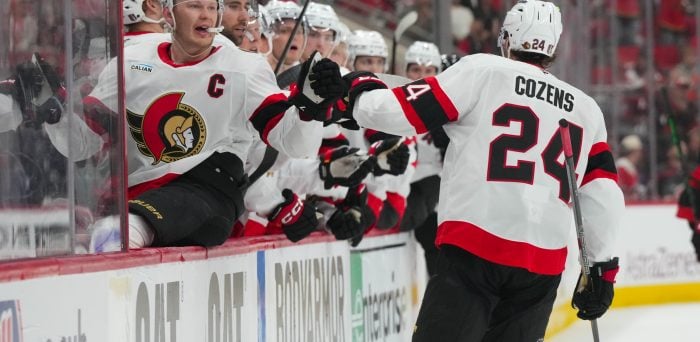
Historically, the Senators have relied heavily on Tkachuk to be the emotional engine — the player who drags teammates into the fight when things turn physical. But this season has shown signs of a more balanced approach.
With Tkachuk temporarily dialing back his fighting role, Ottawa has seen increased physical responsibility shared across the lineup. Players such as Artem Zub, Ridly Greig, and Nick Cousins have stepped into more confrontational situations when necessary — not recklessly, but assertively.
That collective toughness matters. It reduces the burden on one player and makes Ottawa harder to intimidate as a group.
The League’s Message — And Ottawa’s Acceptance
As far as the Senators are concerned, there was an element of a warning in the NHL’s verdict: physical play will always be a part of hockey, but blindside punches are never acceptable when a player is separated.
Ottawa didn’t challenge that ruling. There was no sense of the team feeling shortchanged or ignored by the league. In fact, the response from the Senators suggested a level of trust in the process — something that hasn’t always existed between Ottawa and the NHL’s disciplinary system.
Such trust is key in their effort to build credibility for themselves as a force in the playoffs and not some sort of wild card.
Why This Moment Matters Long-Term
In isolation, a one-game suspension doesn’t move the needle. But moments like this often serve as inflection points for teams still defining who they are.
For Ottawa, the handling of the Stanley incident reinforces several evolving truths:
- The team doesn’t need to rely on theatrics to command respect
- Leadership is being expressed through composure, not confrontation
- Accountability is shared, not centralized
Tkachuk’s response wasn’t a sign of passivity — it was a sign of confidence. Confidence that the Senators can impose themselves on games through structure, depth, and consistency rather than chaos.
Looking Ahead: Focus on the Bigger Picture
The Senators are still at a stage where every string of games defines them. How they react to physical contests, referee decisions, and league sanctions will determine their further course.
The Stanley suspension is already simmering in the rearview mirror, exactly where Ottawa would like it to be. The spotlight is once again on points, standings, D, and translating close contests into wins.
If there’s a takeaway message here from the Senators’ perspective, it would be this: The Senators never lost the narrative – they owned it.
And in this kind of league, where overreactions can end up derailing a season, this is as important as any suspension levied.

Free Newsletter
Get Ottawa Senators coverage delivered to your inbox
In-depth analysis, breaking news, and insider takes - free.
Subscribe Free →