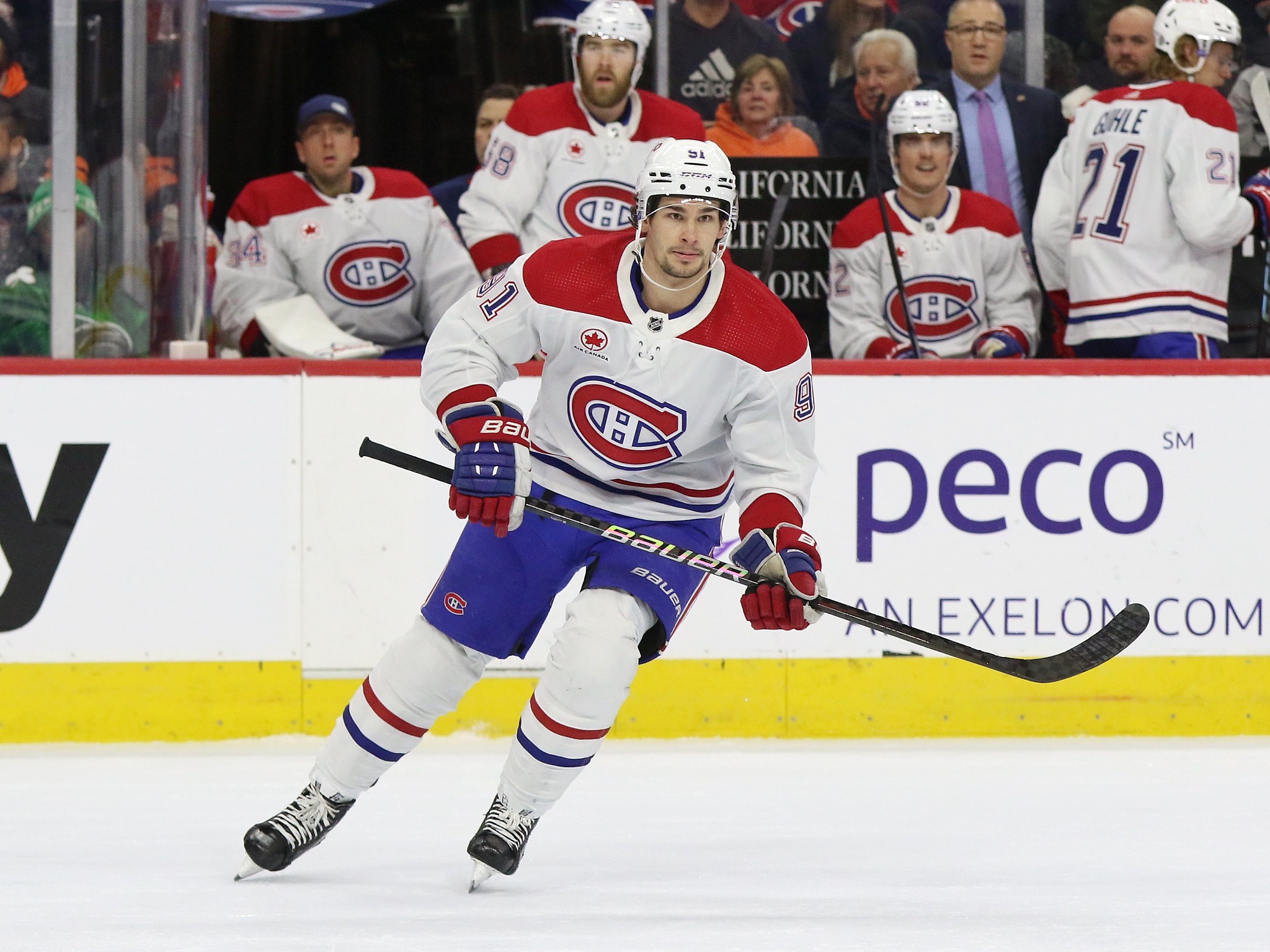
Montreal Canadiens general manager (GM) Kent Hughes has a difficult balancing act ahead with just a few games before the March 7 NHL Trade Deadline. He has to walk the tightrope between keeping veterans to support his young core as they try to play meaningful games as late into the season as possible while also maximizing the value of any soon-to-be unrestricted free agents (UFA).
The Canadiens are expected to be active at the deadline. With players like Jake Evans and Joel Armia offering value on the trade market, Hughes should be able to add assets that will be useful during the offseason. However, in David Savard‘s case, his trade value cannot be higher than the value he brings to the team.
Savard’s Value to Canadiens
Savard is the prototypical defensive defenseman that GMs seek out at the deadline. He brings some offence, but not much, with one goal and 12 points in 52 games this season. But that’s not what teams are looking for. Savard excels at blocking shots, sitting 11th in the NHL (126), and he is on the top penalty killing (PK) unit. Thanks, in part, to his solid play, Montreal’s penalty kill ranks sixth in the NHL after 58 games, with an 81.8% success rate.
His contract is also acceptable, with a $3.5 million cap hit that expires at the end of the season. He’s a rental option worth considering for any team that needs defensive reliability heading into the postseason. At 34 years old, Savard’s play has slowed, but his value as a shot-blocking, penalty-killing veteran with a Stanley Cup ring remains high. Teams looking to add blue line depth for the playoffs will find his right-shot and experience attractive.
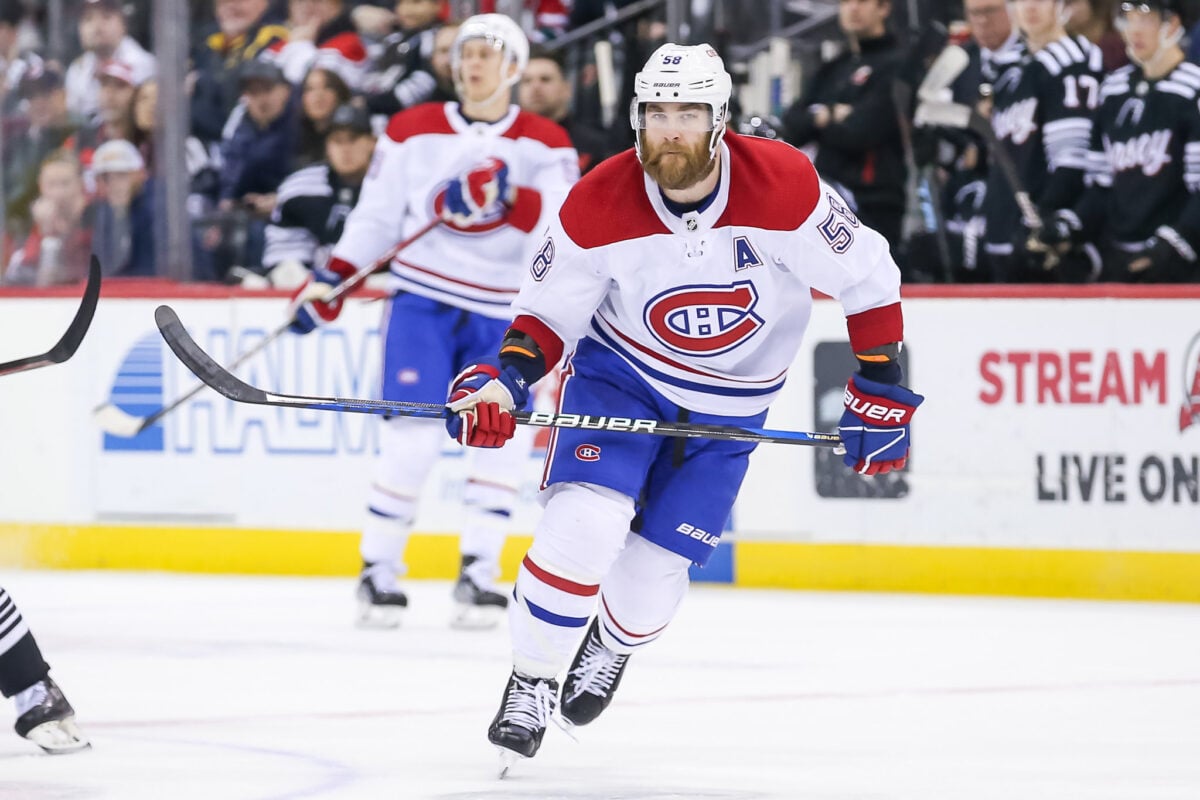
However, Hughes might decide to keep the veteran defender. While there is no trade protection on Savard’s contract, Hughes is known for doing what is best for the team and the player, as he did with the Jeff Petry trades. Savard will likely be asked if he is willing to move at the deadline. Considering he has already won a Cup (2021), is living his boyhood dream of playing for his hometown club and would be away from family for several months, he is unlikely to want to leave.
Canadiens Need Veterans
Savard’s play has remained steady, playing a solid, low-maintenance defensive game. But despite his play, there isn’t a lot of demand for right-handed defensemen. Eric Engels of Sportsnet argued that the defender’s value is not very high at the moment, and a third-round pick might be difficult to get in return, and Hughes might consider him more valuable than that.
Even if Hughes is willing to accept a third-round pick, and even if Savard is willing to be traded, his value to the team is far higher than a mid-round draft pick that would take several years to reach the NHL, and even that is a low-percentage outcome. He is more than just a middle-to-bottom-pair defenseman who blocks shots and kills penalties. He is an important leader and mentor for the Canadiens.
With such a young team, especially on the blue line, Savard’s influence is crucial. The development of young defenders, such as Arber Xhekaj, has been greatly impacted by the veteran’s experience and leadership. Xhekaj and Savard have similar playing styles and build, and they fit well as physical defencemen who can play difficult minutes shorthanded, traits that are underappreciated but essential to any NHL team’s success. Xhekaj’s progression is proof that the Canadiens should keep Savard until the end of his contract.
“He’s (Savard) in my corner. He’s the number 1 guy in my corner. Every game, every practice. I always look to him for advice…He’s always telling me to keep smiling no matter what. He’s the best guy to have on the team. He’s been a huge help for me.”
Savard has also been invaluable to the Canadiens’ leadership group. Nick Suzuki has followed in the footsteps of a legendary leader like Shea Weber, but having a leader and veterans like Savard has helped him become more vocal, identifying the moments when he needs to be firm or encouraging. Savard’s desire to play in Montreal and the honour he feels being a Canadien will help motivate players to stay with the club long-term.
During the offseason, management said they wanted to be in the mix this season, and the expectation was that they could climb the standings and play relevant games into March. Today, the Canadiens are five points behind the Columbus Blue Jackets for the final wild-card spot. Add in the fact that the players entered the season saying they were sick of losing and tired of seeing teammates traded at the deadline because they wanted to be relevant and play meaningful games points to a team that needs a veteran more than another draft pick.
In Savard’s case, a draft pick is not enticing enough for the team to move a pending free agent. His value as an “own rental” far outweighs the value of intangible assets. The lessons Savard’s young teammates have learned from him will continue to pay dividends long after he leaves the club. Keeping him should also provide the locker room with a boost of confidence that his savvy veteran play will help them extend their season while also giving the young players the mentorship needed to reach the next level of their development sooner.
Free Newsletter
Get Montreal Canadiens coverage delivered to your inbox
In-depth analysis, breaking news, and insider takes - free.
Subscribe Free →