Not every NHL story starts with bright lights and a walk across the draft stage. Some begin in the shadows—on long bus rides, in forgotten leagues, in front of half-empty arenas. Vancouver Canucks forward Alex Burrows didn’t have the pedigree or the hype. What he had was grit, and more importantly, he knew how to use it.
For fans who love a good underdog story—the kind where work beats talent when talent doesn’t work hard—Burrows is a name that still means something.
For Burrows, No Buzz, No Hype—Just Heart
Growing up in Pincourt, Quebec, Burrows played his junior hockey in the Quebec Maritimes Junior Hockey League (QMJHL) with the Shawinigan Cataractes. [For those interested, the name “Cataractes” is French for “waterfalls,” a nod to the powerful Shawinigan Falls on the Saint-Maurice River. In 1969, the team picked the name to show they belonged to the town and its tough, unstoppable energy.]
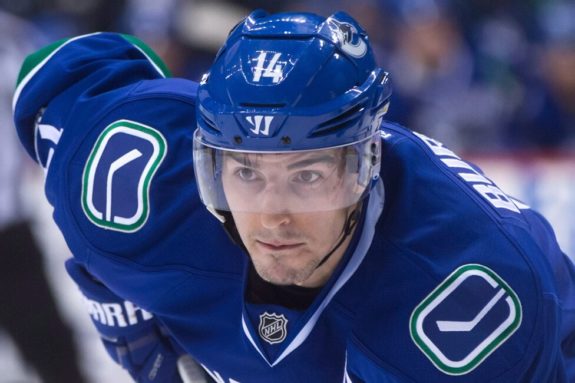
With the Cataractes, Burrows put up decent numbers—35 goals and 70 points in his final full season. Still, it wasn’t enough to get him drafted. So while others were shaking hands at the draft, Burrows was figuring out his next move. He ended up in the ECHL, grinding it out with teams like the Greenville Grrrowl and the Columbia Inferno.
Although it wasn’t exactly the fast track to the NHL, it’s where Burrows started to build the habits that would eventually define him. He developed the work ethic of a relentless forechecker, excelling on the penalty kill and never taking a shift off.
A Door Opens in Manitoba for Burrows
It took a while, but Burrows finally got a break with the Manitoba Moose, the American Hockey League (AHL) affiliate of the Canucks. Even there, he wasn’t expected to be much more than depth. But again, he outworked expectations.
Vancouver called him up during the 2005–06 season. He played 43 games that year, and from then on, he made sure he wasn’t going back down. What made him stick? He didn’t try to be something he wasn’t. He knew his role—agitate, defend, chip in when you can—and he worked at it hard. And eventually, the offence followed.
Burrows Moved From Role Player to First-Line Fixture
By 2008, Burrows wasn’t just filling in the bottom six anymore. He’d earned a shot higher up the lineup. And when he got a chance to skate with Henrik and Daniel Sedin, he didn’t just keep up; he fit in. That line clicked in a way few expected.
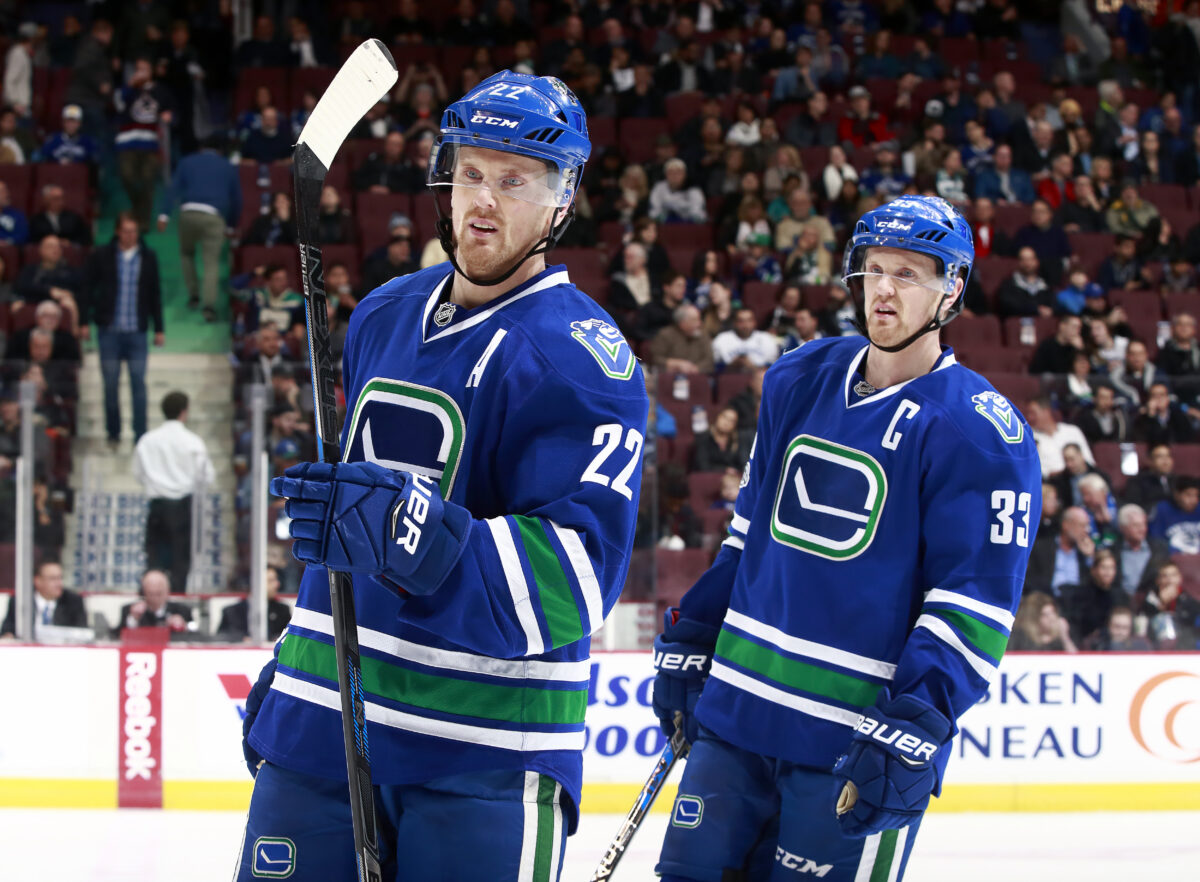
Burrows brought a directness and edge to the Sedins’ precision, and it worked. He had four straight seasons with 25-plus goals, including a career-best 35 in 2009–10. He wasn’t just chipping in—he was producing. And when the stakes were high, he showed up.
Burrows Shows Up to Slay the Dragon
If there’s one moment that defines Burrows’ career, it’s Game 7 of the 2011 Playoffs against the Chicago Blackhawks. Vancouver had been knocked out by Chicago two years in a row. This time, they had a 3–0 series lead—then blew it. Game 7, overtime. Fans held their breath.
A turnover lands on Burrows’ stick, and he rips it home. Just like that, the Canucks move on. Chicago’s run ends. The dragon is slain. For Vancouver fans, that goal isn’t just memorable—it’s iconic. And for Burrows, it was the ultimate proof: he belonged.
Burrows Earned His Career the Hard Way
Burrows played 913 NHL games between the Canucks and Ottawa Senators. He scored 205 goals, put up 409 points, and racked up over 1,100 penalty minutes. Not bad for a guy who didn’t even get a look on draft day. He also added 85 playoff games, helping lead the Canucks all the way to the Stanley Cup Final in 2011.
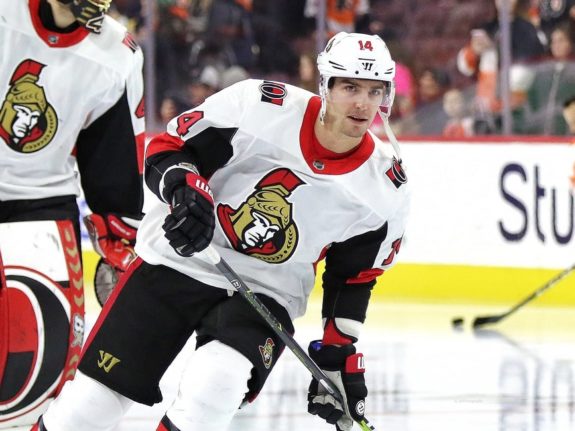
(Amy Irvin / The Hockey Writers)
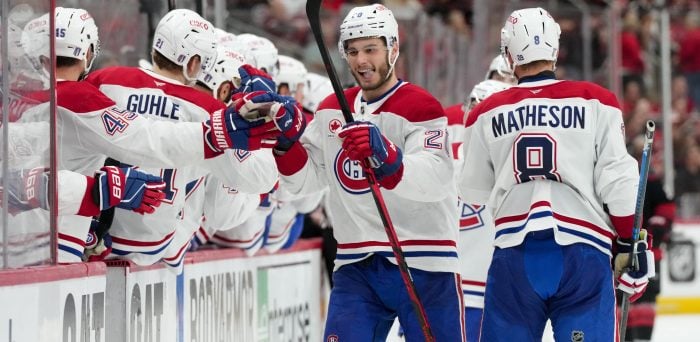
When his playing days were over, he transitioned straight into coaching—first with the Laval Rocket, then behind the bench with the Montreal Canadiens. Another chapter, another challenge—the same work ethic.
Just this month, Burrows began working as a player development consultant for the Canadiens, following his decision to step down as an assistant coach in 2024 to spend more time with his family. He hasn’t left the game behind, though—Burrows also runs his Tournée Alex Burrows events across Quebec, giving kids the chance to play 4-on-4 ball hockey and learn from his experience, keeping him connected to hockey and his community.
What Burrows Represents for NHL Hockey Fans
Burrows didn’t just make it—he mattered. He wasn’t the most skilled guy on the ice, but he was the one you remembered. He annoyed the other team, fired up the crowd, and stepped up when it counted. And that’s what sticks with fans.
He represents every player who’s been told they’re not good enough, every kid who didn’t get drafted but still shows up to the rink with something to prove. He’s the kind of story hockey needs—not just stars, but survivors.
Burrows didn’t get handed anything. He earned everything. And in doing so, he carved out a career—and a legacy—that fans across the league still respect.
Free Newsletter
Get Montreal Canadiens coverage delivered to your inbox
In-depth analysis, breaking news, and insider takes - free.
Subscribe Free →