If the Anaheim Ducks were hoping the calendar flip to 2026 would serve as a reset button, New Year’s Eve offered a sobering reminder that problems in the NHL rarely resolve themselves simply because the month changes. The Ducks rang in the new year with a hard-fought, yet ultimately disappointing, 4-3 overtime loss to the Tampa Bay Lightning.
While salvaging a point against a perennial contender offers a narrative of resilience, the broader context is far less forgiving. That loss marked Anaheim’s fourth consecutive defeat and their eighth in the last ten games. It is a slide that has effectively erased the goodwill generated by their blistering 11-3-1 start to the campaign.
For the first six weeks of the season, Anaheim looked like the surprise of the Pacific Division. Now, as we assess the damage from a dismal December, we have to ask the uncomfortable question: Was that early dominance a sign of things to come, or was it simply a mirage masking deep-rooted structural flaws?
A Blue Line Under Siege
The primary culprit for this regression isn’t difficult to identify. To put it bluntly, the Ducks are currently the easiest team in the league to play against in their own zone.
Throughout December, Anaheim allowed an average of nearly four goals per game. You cannot outscore that kind of defensive generosity in the modern NHL, no matter how talented your top six forwards are. The underlying numbers are just as concerning. We aren’t just talking about bad bounces or hot goaltenders on the other side; we are talking about volume. The Ducks are surrendering more high-danger scoring chances than almost any other team in the league.
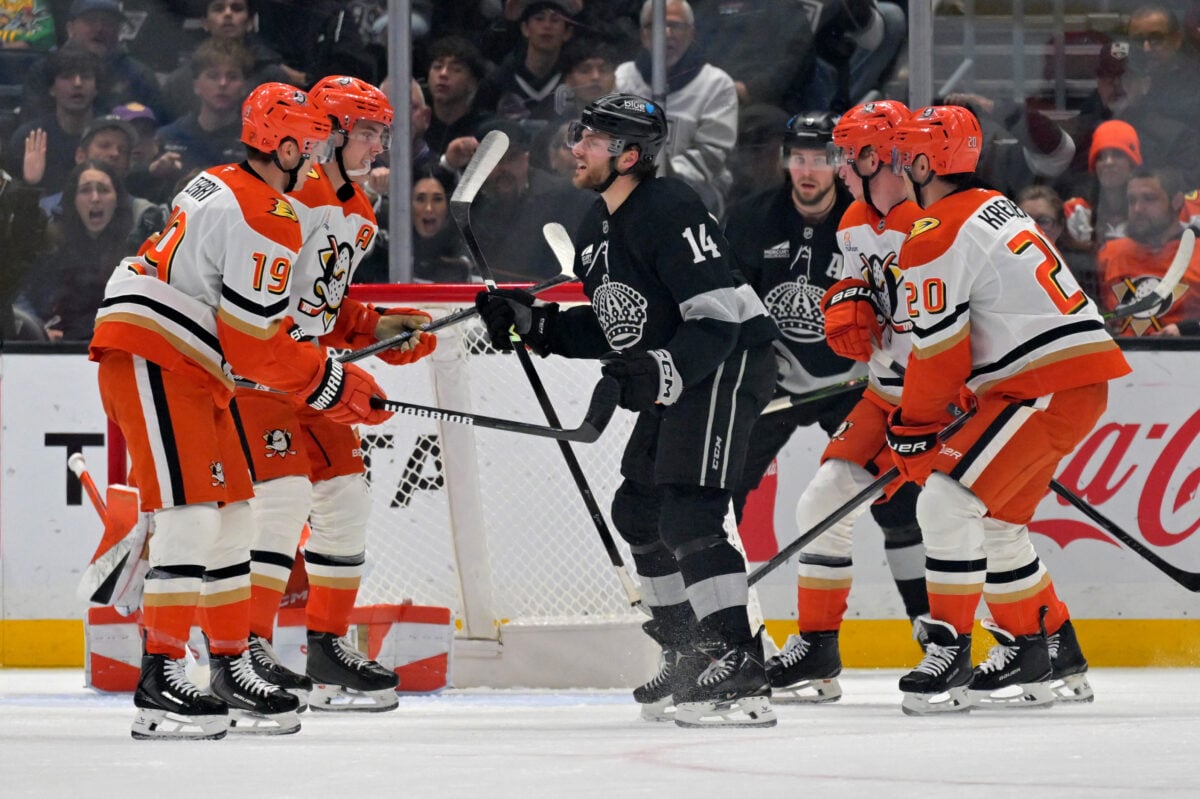
The eye test confirms what the data suggests. The structural integrity of the team’s defensive play has fractured. We are seeing recurring issues with coverage in front of the net—opposing forwards are finding far too much real estate in the slot—and a breakdown in transition defense. There is a perceptible disconnect between the defensemen and the backchecking forwards. Miscommunication on who picks up the trailing man or who challenges the rush has led to a parade of odd-man rushes for opponents.
This “leaky” defense has consequences beyond the scoreboard. It forces the goaltenders to be perfect and taxes the forwards, who spend too much energy chasing the puck in their own end rather than pushing the pace offensively. Consequently, Anaheim has watched rivals like the Edmonton Oilers and Vegas Golden Knights check their rearview mirrors and pass them in the standings.
The Offensive Well Runs Dry
When your defense is porous, your offense needs to be elite to compensate. Unfortunately, Anaheim’s attack has hit a low ebb at the worst possible time. After scoring at will in October and November, the well ran dry in December. The team averaged fewer than three goals per game for the month, placing them in the bottom third of the league for offensive production.
Related – Lightning Take 4-3 Overtime Win Over Ducks
This decline is largely the result of individual slumps from key contributors who were carrying the load early on.
Most notably, Leo Carlsson is facing the harsh reality of being a focal point for opposition game plans. After a dominant opening month, the young center has managed just a single assist in his last six contests. It appears the league has adjusted to him; opponents are converging on him quickly in the neutral zone, taking away his time and space, and physically challenging him before he can wind up his speed. It is a standard growing pain for a young star, but one the Ducks can ill afford right now.
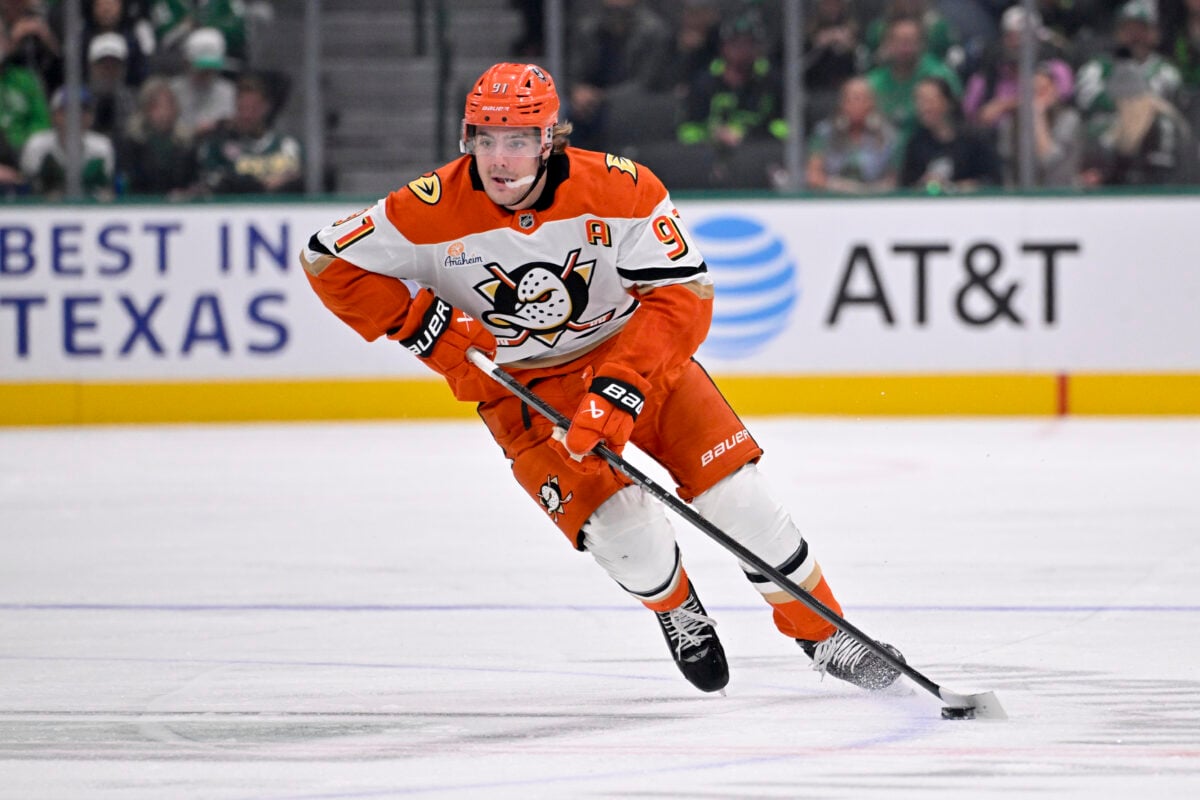
Perhaps more concerning is the drop-off from the veteran contingent. Chris Kreider, brought in to provide stability and net-front presence, has been virtually invisible at five-on-five. With only one assist in his last 11 games, he has looked heavy-footed on the forecheck, struggling to keep up with the pace of play or win the board battles that made him such a valuable commodity earlier in his career. When a veteran is a non-factor at even strength, it puts immense pressure on the youth to perform perfectly.
Special teams haven’t offered a lifeline, either. Before Mason McTavish finally broke the seal recently, the power play endured a brutal stretch, converting only four times in nearly 50 attempts. That kind of futility drains momentum and turns winnable games into frustrating losses.
The Quenneville Leash Tightens
When head coach Joel Quenneville took the reins, the philosophy was clear: let the kids play. The early season was defined by a longer leash, allowing the young core to play through mistakes and use their creativity without fear of immediate benching.
That grace period is officially over.
As the losses have piled up, the tone from the head coach has shifted from nurturing to demanding. Following the ugly 6-1 drubbing by the Los Angeles Kings, Quenneville didn’t mince words, describing the team’s effort as “ordinary” and “not acceptable” for a group with genuine playoff aspirations.
Related – Ducks Week Ahead: Schedule & Storylines – Holiday Slump, World Juniors and More
This shift is significant. It signals that the coaching staff believes this roster is capable of more than just “development years.” They expect results. The “young talent” excuse is no longer a valid shield for poor defensive habits or lackluster backchecking. Quenneville is looking for accountability, and likely, a change in personnel usage if the effort level doesn’t match the urgency of the standings.
Finding a Way Out
If there is a silver lining to be found in the New Year’s Eve loss to Tampa Bay, it was resilience. The Ducks fell behind multiple times but battled back to force overtime against a quality opponent. It showed a pulse—a refusal to roll over that was absent in the blowout loss to the Kings.
However, moral victories don’t count in the standings. The “mirage” of the first month has faded, leaving the Ducks with a clear view of their reality. They are a team with undeniable offensive potential that is currently being undone by a lack of defensive structure and a few key passengers.
The holiday slump has dug them a hole, but the season is far from lost. The talent is there. The question for January is whether they can tighten up the defensive leaks and find the consistency required to be a playoff team, or if they will continue to drift south in the Pacific Division.
AI tools were used to support the creation or distribution of this content, however, it has been carefully edited and fact-checked by a member of The Hockey Writers editorial team. For more information on our use of AI, please visit our Editorial Standards page.
