The Montreal Canadiens are only four years into the rebuild started under general manager (GM) Kent Hughes. In year three, they made the playoffs. This year, they’re not only competing for a playoff berth, but they’re also on pace for more than 100 points on the season. That doesn’t mean the rebuild is over; on the contrary, it has a long way yet to go, but it is on the right path.
Related: Canadiens’ Evolving Roster Needs Will Affect Their Trade Deadline Strategy
That path is exactly why Canadiens fans are coming out of hibernation, especially in other NHL buildings. Here’s how Canadiens fans taking over other arenas signals the rebuild is working, even before the standings fully reflect it.
Canadiens Fans Buy In
On paper, the Canadiens are still a rebuilding team. In practice, they are something far more dangerous to the rest of the NHL: relevant again. That relevance is showing up in an unexpected but unmistakable way this season in opposing arenas increasingly awash in red, white, and blue.
This is not nostalgia, blind loyalty or coincidence. What’s happening in other NHL buildings this season is the clearest sign yet that Montreal’s rebuild has reached its next phase, the excitement phase, where belief becomes visible. Yet this rebuild has never had to endure years of cynicism or an attitude of “call me when it’s over.” Instead, there has been a steady stream of fans who are willing to pay to watch “the process” in person, with them being focused on watching the progression of “the kids”.
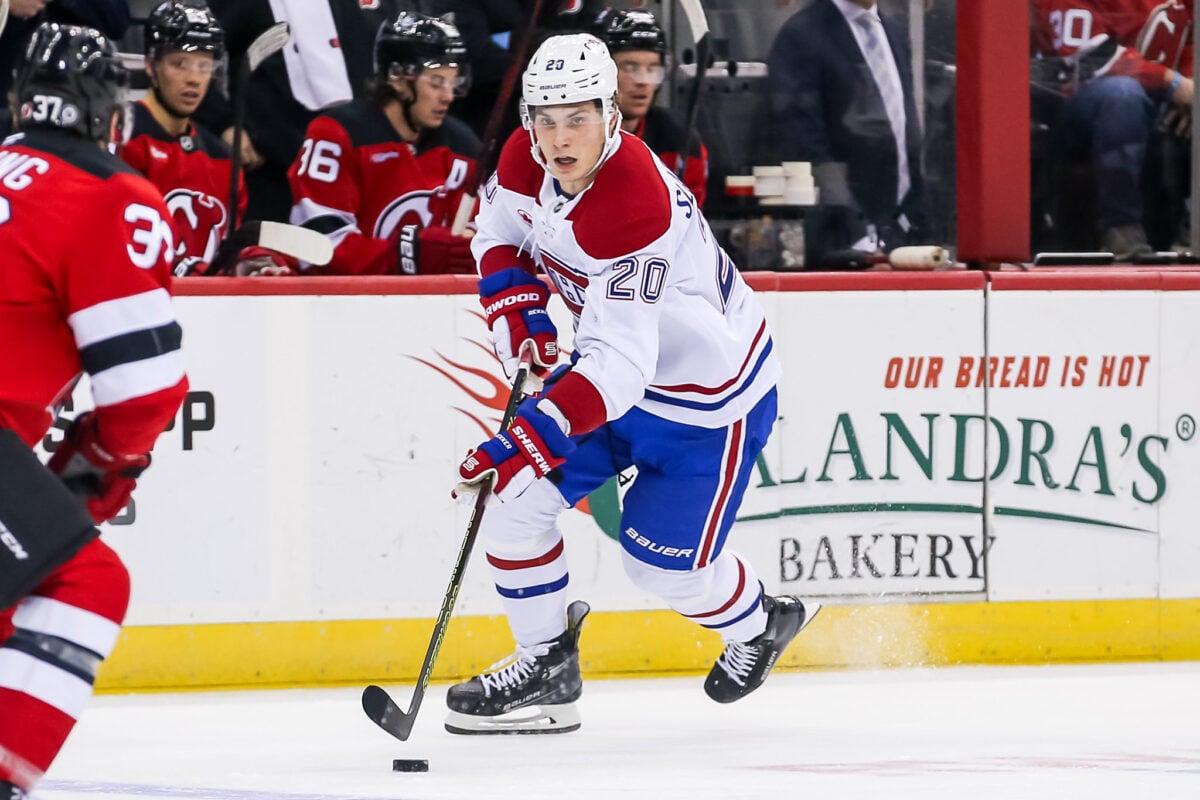
Fans have been clamouring to watch Juraj Slafkovsky, Lane Hutson, and Nick Suzuki, not just wins and losses. Curiosity and excitement are a major psychological turning point.
Canadiens Have Historical Advantage
It helps that Montreal is the oldest and most storied franchise in hockey. They can boast generations of fans, not just in Montreal, but spread over the entire continent, especially in Canadian and Original Six cities. Having large French-Canadian communities in Ontario, Manitoba, Alberta, and the northeastern U.S.A. It also helps that the team is a cultural phenomenon. When Montreal comes to town, it’s a “home game” for fans who don’t get to see the team often. That has been evident in a recent road trip as the fans took over the building in Winnipeg, much to the dismay of the host team.
You don’t travel for a team you’ve tuned out. You travel for a team you think is becoming something. If the rebuild were stalling, interest would dip on the road first. Instead, road crowds are growing, social media clips are going viral and neutral fans are paying attention again.
The foundation of that excitement is the product on the ice. The Canadiens may not yet be contenders, but they are undeniably watchable. The good news is that the team is exciting to watch again. The Canadiens are one of the most prolific scoring teams in the NHL this season, sitting third in goals behind only the Colorado Avalanche and Edmonton Oilers. Montreal’s games are competitive, emotional, and chaotic, the style that makes fans feel like something is always about to happen, or is happening. That energy travels.
This roster plays with speed, emotion, and purpose. More importantly, it plays with progression. Fans aren’t simply tracking wins and losses; they’re watching a story unfold. Slafkovsky is taking tangible steps forward, Ivan Demidov is taking a run at the Calder Trophy as rookie of the year, something that gaming analytics give high odds of occurring. Then you have Suzuki’s calm leadership through chaos, and the rapid emergence of Lane Hutson as a blue line star, giving supporters something to believe in night after night.
A Road Well Travelled
Every road game feels meaningful because every game reveals growth. That matters. Fans will tolerate losses if they feel progress. This season, Montreal has made progress visible. Geography also plays a major role in why Canadiens fans seem to “take over” certain arenas. In Ottawa, the effect is almost inevitable. Eastern Ontario and Gatineau are saturated with lifelong Canadiens supporters. Proximity, affordability, and history collide when Montreal visits the nation’s capital. What might look like a takeover is, in reality, a gathering of fans who have always been there, simply waiting for the schedule to bring the team closer.
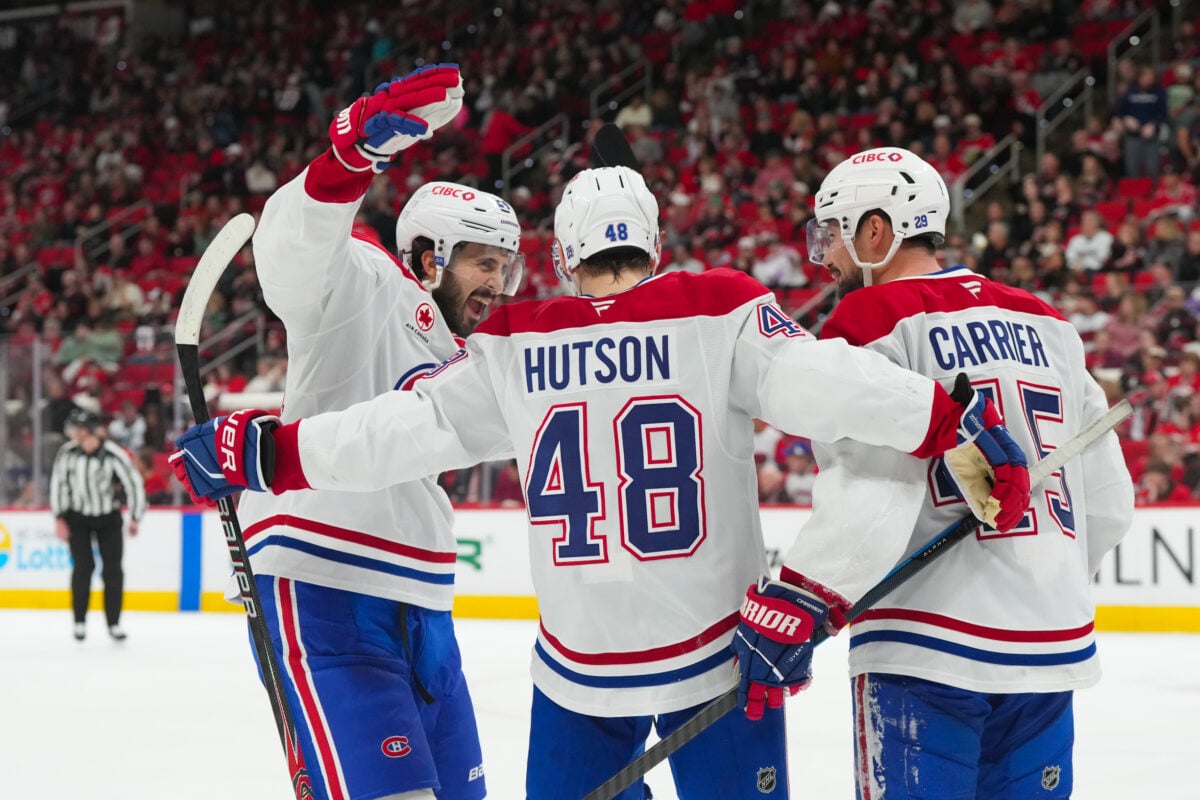
Winnipeg offers a different but equally telling example. Canadiens fandom in Manitoba runs deep, rooted in decades when the franchise represented much of the country’s hockey identity. With fewer opportunities to see the team live, Canadiens visits become events. Fans plan for them. They show up early. They stay late. When the Habs give them a moment, they take over the night.
South of the border, the snowbird effect amplifies the phenomenon. Florida, California, and other warm-weather markets regularly host large populations of Québécois during the winter months. Canadiens road games in those cities often feel tilted before the puck drops. It’s not a failure of local fanbases; it’s the result of a fanbase for the visitors that never truly leaves.
Volume and visibility complete the picture. Canadiens fans don’t blend in. Red jerseys dominate sightlines. Familiar chants such as the “Olé, Olé, Olé” carry through buildings and television broadcasts. Even when the crowd split is closer than it looks, Montreal fans often control the atmosphere. In the social media era, a single loud section becomes a viral clip, reinforcing the narrative of a takeover and feeding the cycle further.
But the most important factor behind this season’s road presence isn’t geography or volume, it’s trust. Canadiens fans trust the direction of the rebuild. They trust the drafting. They trust the patience. They trust that the hard years were purposeful. That trust has transformed skepticism into anticipation.
This is the stage of a rebuild where fans want to be able to say they were there before it all turned. Before the playoff races, before the expectations, before the league caught on. They wanted to “be there before it was cool”. Road games become statements of belief rather than celebrations of success.
There’s also a re-emerging identity at play. For years, Montreal drifted, searching for consistency in style and philosophy. This team is beginning to look like itself again. Structured, competitive, emotionally invested. Fans recognize that immediately. Montreal is a market that understands the minute details and appreciates them as well. When supporters see accountability and growth, they respond loudly and positively.
The rebuilding is not complete. The Canadiens are not finished climbing, because successful rebuilds don’t begin with banners or playoff seeds. They begin with belief. They begin when the players and the fans stop waiting for permission to care and start showing up anyway. This season, Canadiens fans are showing up everywhere.
They are filling rival buildings, shifting atmospheres, and reminding the league that Montreal’s presence extends far beyond the Bell Centre. That doesn’t mean the rebuild is over. It means it’s working. And when belief travels this well, results usually aren’t far behind.
