The vacuum created by the Quinn Hughes trade to the Minnesota Wild didn’t just leave a hole on the Vancouver Canucks’ top defensive pair; it left a massive void in the dressing room hierarchy. For a franchise that has historically leaned on “the chosen ones” — your Trevor Lindens, Markus Naslunds, and Henrik Sedins — the search for the 16th captain in team history felt like it might be a protracted, perhaps even painful, process.
Related: Canucks News & Rumours: Reichel, Chytil, Kudryavtsev & What’s Next?
Yet, as the 2025-26 season grinds toward its conclusion, a consensus is forming around a candidate who, 18 months ago, would have been at the bottom of anyone’s betting sheet. Filip Hronek, the man who once treated a microphone like a hazardous material, has reportedly emerged as the clear frontrunner for the “C.”
Canucks Captaincy Search: The Unlikely Transformation
To appreciate why Hronek is a surprising choice, you have to look back at his tenure with the Detroit Red Wings. This is a player who famously went 1,000 days — nearly three full years — without granting a single media interview. In the hockey world, Hronek was the ultimate “black box”: high output on the ice, zero input off it. He was an introvert by choice, preferring the anonymity of the back pages.
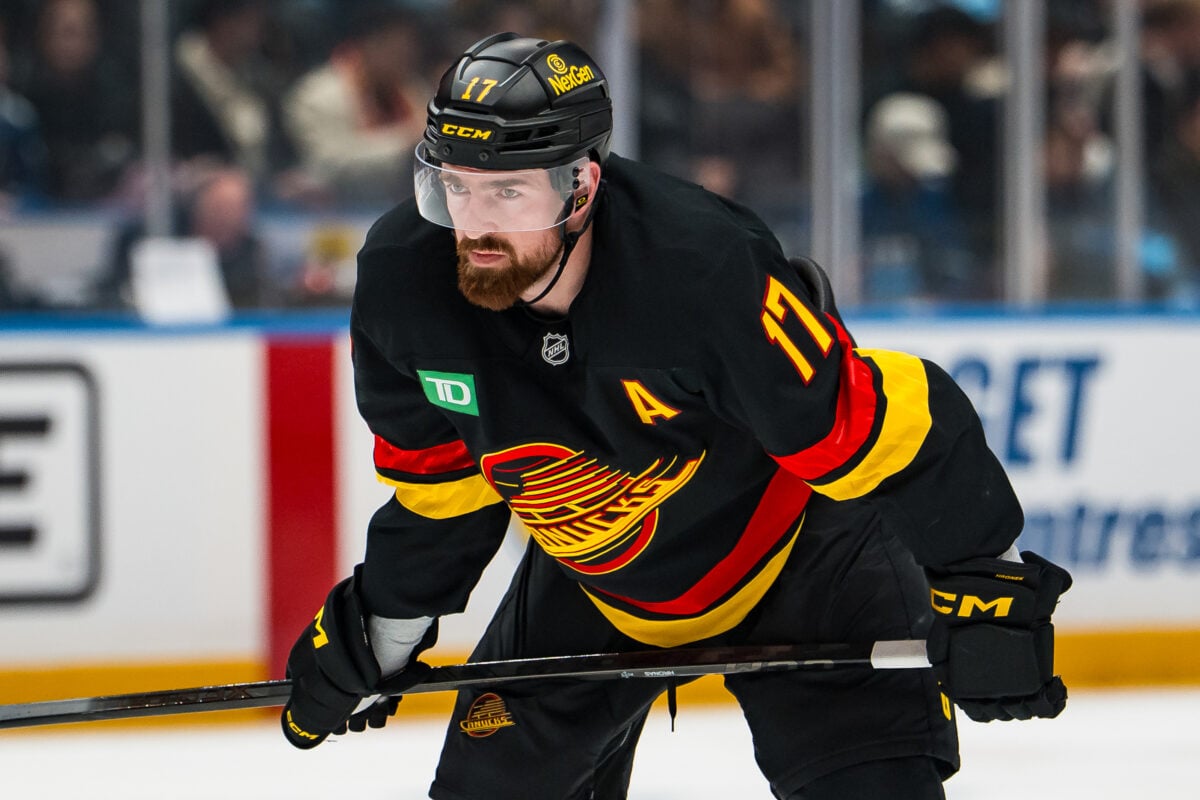
Even his own teammates find him daunting. Newcomer Zeev Buium recently admitted that Hronek’s “game face” is intimidating, projecting an unapproachable, cold intensity that can be rattling for a young player walking into a professional locker room for the first time. In a market like Vancouver, where the captain is expected to be a diplomat, a therapist, and a community figurehead, Hronek’s historical profile didn’t just fit the mold — it broke it.
Filip Hronek Leadership Evolution and Media Growth
So, what changed? In professional sports, vacuum creates opportunity. Since Hughes departed, Hronek hasn’t just stepped up his minutes; he has fundamentally altered how he interacts with the ecosystem around him.
The most visible shift is his presence in front of the cameras. Hronek is now a nightly fixture in pre- and post-game scrums. To the casual observer, this is just part of the job. To those who know the organization, this is clearly a “litmus test” sanctioned by the front office. Management is effectively putting Hronek through a public relations boot camp to ensure he can handle the weight of being the franchise’s voice. He isn’t just surviving these sessions; he’s navigating them with a level of professional poise that suggests he’s finally ready to embrace the spotlight he once shunned.
NHL Mentorship: Developing the Next Generation of Canucks Defencemen
Behind the intimidating mask that Buium described lies a veteran who has become the primary shepherd for Vancouver’s youth movement. Since the trade, Hronek has taken players like Buium and Tom Willander under his wing, helping them navigate the steep transition from college hockey to the NHL.
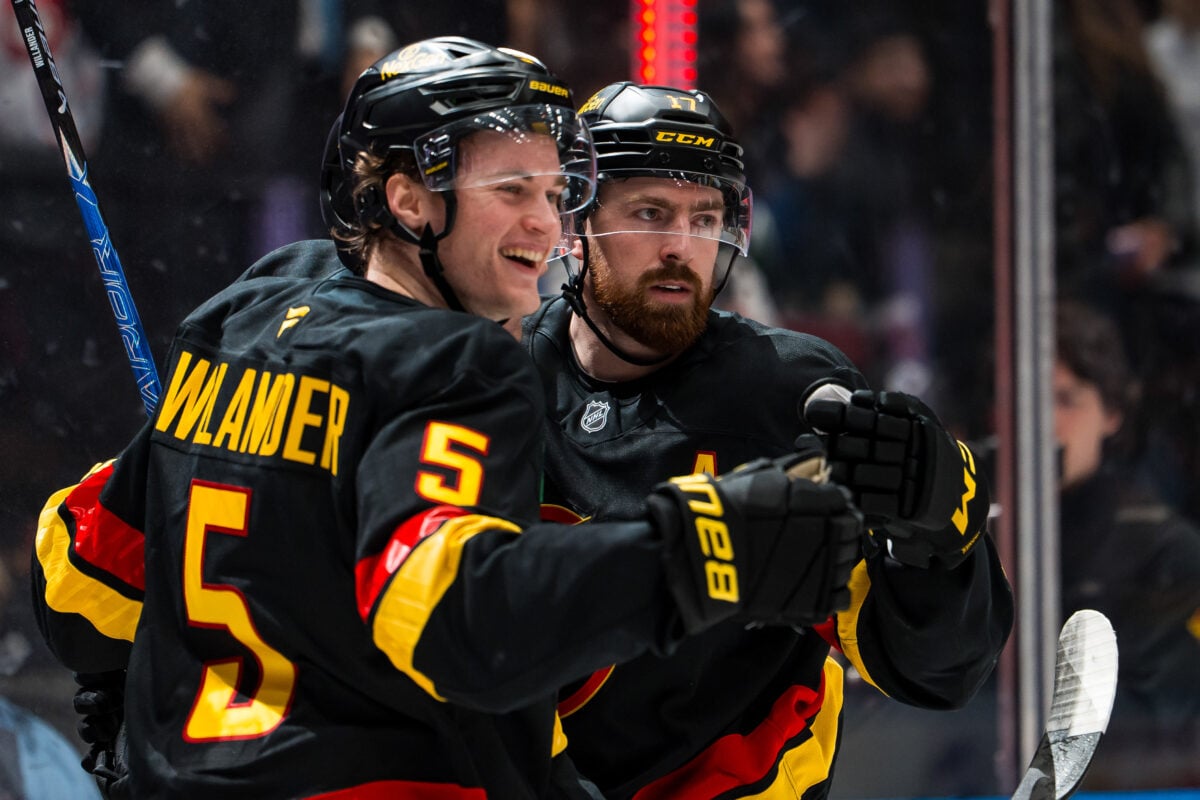
Leadership isn’t always about the grand speech during the second intermission; it’s about the “friendly chirping” and the locker room camaraderie that builds a cohesive unit. Reports from inside the room suggest Hronek is incredibly accommodating to the younger cohort. He has successfully bridged the gap between the stoic veteran and the accessible mentor. He cares deeply about the group’s success, and that investment is being noticed by the coaching staff.
Adam Foote and the Canucks’ “Winning Mentality” Standard
Head coach Adam Foote was brought in to instill a certain standard of play — one based on accountability and “hard” minutes. In Hronek, Foote has found his on-ice proxy.
Hronek’s game has matured significantly since he was paired with Hughes. No longer a “second option,” he is now the workhorse, leading the team in ice time and averaging over 24 minutes per night. In layman’s terms, he is the engine that doesn’t quit. He has become more assertive with the puck, carrying play and dictating the tempo.
More importantly, he is “dragging everyone into the fight.” According to teammates, Hronek doesn’t just suggest a high standard; he demands it. He holds the room accountable, ensuring that the effort level on a Tuesday night in November matches the intensity of a playoff race. For a team in transition, that kind of internal policing is more valuable than any tactical adjustment.
Rick Dhaliwal Reports Hronek as the Leading Candidate
The speculation isn’t just “talk” in the press gallery. Canucks insider Rick Dhaliwal has indicated that multiple sources within the hockey world now view Hronek as the definitive choice. While the team is expected to continue with its rotating group of alternates — including Elias Pettersson and Brock Boeser — for the remainder of this season, the internal decision seems to have reached a tipping point.
The Canucks are taking a methodical approach. They aren’t rushing to sew the letter onto his jersey today. Instead, they are allowing the natural hierarchy to take hold, likely waiting until the September training camp to make it official. However, Hronek has already joined the leadership group on a full-time basis, and the transition of power feels more like an evolution than a surprise.
Why Hronek Is the Right Choice for the 16th Captain
Choosing a captain is about defining a team’s soul. If the Hughes era was defined by skill and flair, the Hronek era looks to be defined by grit, accountability, and a quiet, relentless work ethic.
He may have started his career in silence, but in Vancouver, Hronek’s actions are speaking louder than a captain’s speech ever could. He has earned the respect of the coaching staff, the trust of the rookies, and the confidence of the front office. By the time training camp rolls around, the “C” won’t just be a letter; it will be a reflection of the player he worked to become.
AI tools were used to support the creation or distribution of this content, however, it has been carefully edited and fact-checked by a member of The Hockey Writers editorial team. For more information on our use of AI, please visit our Editorial Standards page.
