If the buzz around Mitch Marner is accurate, he’s likely played his last game for the Toronto Maple Leafs. That departure, while emotionally complex given Marner’s roots in Toronto, might ultimately be the right move for both sides. He’ll find a fresh start in a less pressure-packed market, and the Maple Leafs will begin reshaping their identity.
Related: Maple Leafs’ Late Round Draft Picks Could Find Some Real Gems
But Marner’s absence could have ripple effects beyond just his position, and one of the most significant might be on Morgan Rielly. If Marner goes, don’t be surprised if Rielly bounces back in a big way next season.
Rielly’s Down Year Wasn’t Just About Decline
The 2025–26 season was a struggle for Rielly. Under new head coach Craig Berube, he was asked to play a more structured, less freewheeling game — and it showed. Perhaps most significantly, Berube opted for a five-forward top power-play unit all season, pushing Rielly down to the second unit. That had a measurable impact on his production.
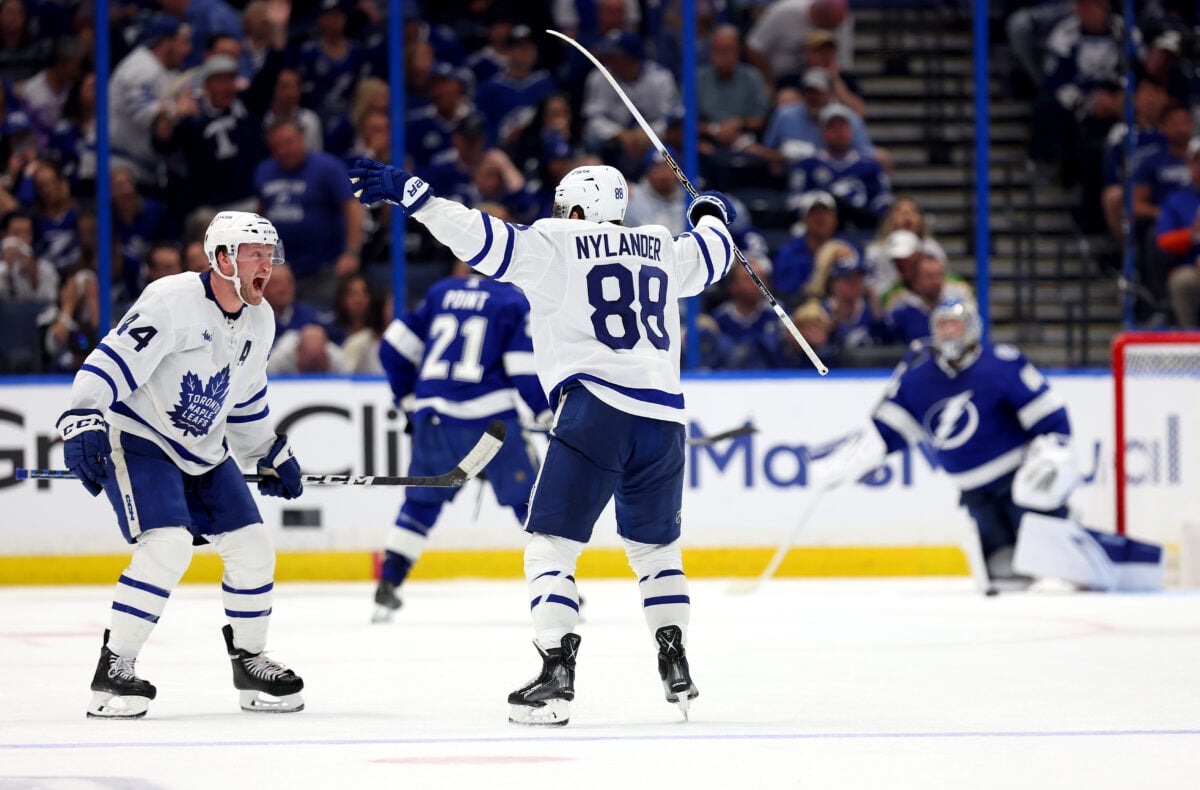
Over the previous three seasons, Rielly averaged more than three minutes per game on the power play. This season, it dropped to under two minutes. The results were stark: he produced 41 points over 82 games, a 33% drop from his previous 82-game average of 63 points. Power-play points fell even harder — from 23 to 14 per 82 games, a 39% decrease.
Marner’s Departure Changes the Power Play Dynamic
Why might Marner’s departure help Rielly rebound? First, Marner’s defensive responsibility and elite puck-handling allowed Berube to risk playing five forwards on the man advantage. Without Marner, that plan becomes far more dangerous. It’s hard to imagine the Maple Leafs maintaining that configuration without someone of Marner’s skill and awareness.
Related: Revisiting the Maple Leafs’ McCabe-Lafferty Deal
That opens the door for Rielly to return to the top unit, where his puck distribution and skating ability are best utilized. He’s a natural power-play quarterback. Additionally, and crucially, for a defenceman in a league where shorthanded threats are real, having a player on the point who’s comfortable defending in transition adds needed insurance.
Improved Usage, Confidence Could Fuel a Big Season
Beyond numbers, Rielly looked more like himself late in the season and into the playoffs. He played with more jump, made better decisions, and seemed more in sync with the game around him. That momentum should carry into 2026–27, especially if he’s returned to a role where his strengths are emphasized, not limited.
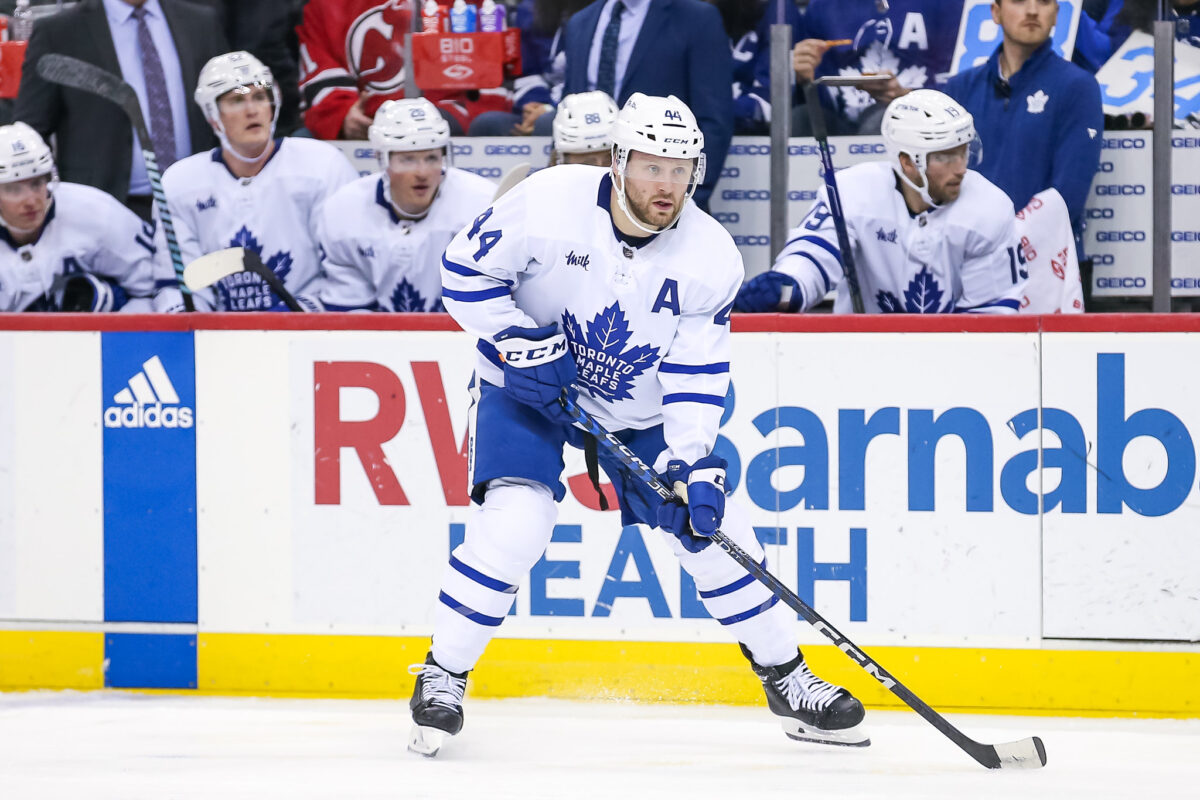
A return to the top power-play unit would likely lift Rielly’s point totals back to the 60-plus range, but more importantly, it could help rebuild his confidence. That often spills over into better play at even strength — something the Maple Leafs will need to transition smoothly post-Marner.
Calls to Trade Rielly Miss the Bigger Picture
Some voices in the market have floated the idea of asking Rielly to waive his no-move clause, suggesting the team replace him with a heavier, more physical, “Berube-style” defender. But here’s the reality: the Maple Leafs already lack puck-moving defencemen. Shipping out their best one would leave an even bigger hole.
Related: Maple Leafs Shouldn’t Ask Morgan Rielly to Waive His No-Move Clause
Rielly is far from the problem. Suppose the team is about to shift its identity. In that case, it will need smart, mobile defencemen to help maintain pace and possession. That will be especially true if Marner, one of the best transition players in the entire NHL, is gone.
The Bottom Line: Bet on a Rielly Rebound
You heard it here first: Rielly is primed for a bounce-back season in 2026–27. With Marner likely out of the picture, a spot on the top power-play unit up for grabs, and his confidence already trending upward, Rielly could quietly become one of the biggest internal success stories for a Maple Leafs team searching for its next identity.
[Note: I want to thank long-time Maple Leafs fan Stan Smith for collaborating with me on this post. Stan’s Facebook profile can be found here.]

Free Newsletter
Get Toronto Maple Leafs coverage delivered to your inbox
In-depth analysis, breaking news, and insider takes - free.
Subscribe Free →