


The Winnipeg Jets had a clear objective: add another impact winger who can play in the top six, drive possession, and bring some edge to the lineup. That’s why Mason Marchment made so much sense as a target. He makes life miserable for defenders, wins battles below the goal line, and still contributes real offence. But Marchment was traded to the Columbus Blue Jackets before the holiday trade freeze, so Winnipeg is back at the same crossroads it’s faced for years: how do you upgrade scoring without sacrificing the identity that’s made the Jets a consistent playoff team?
This isn’t a “panic” moment. The Jets still need another good forward to boost their offence, especially for the playoffs when scoring gets tougher. Missing out on Marchment means they need to look at other options. The bright side is that there are still some interesting players out there, each with their own strengths, price tag, and unique fit on the roster.
Why Marchment Was a Natural Fit
Marchment would’ve been a good fit for Winnipeg. He’s not just an outside player; he’s strong with the puck, gets physical, and can score in tough spots. The Jets are good when their lines are flowing, but they struggle when the play gets rough. Marchment is the kind of forward who makes the other team’s defence miserable, which can swing a playoff series.
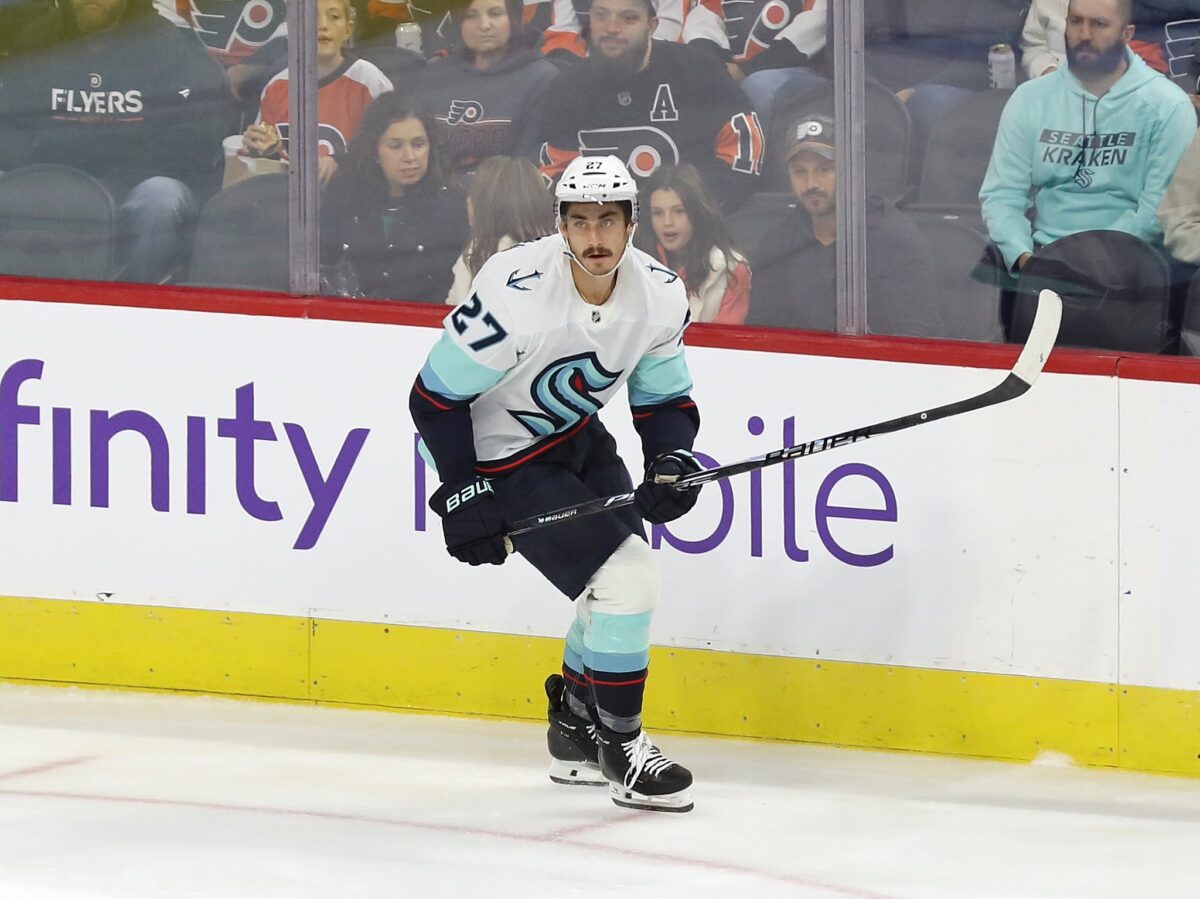
But that type of player usually costs a lot. However, the price was only a fourth-rounder without retaining any salary—Winnipeg might have decided it wasn’t worth it since they wouldn’t be able to do much else after trading for Marchment. Or, the market might have moved too fast. Now, the Jets need a Plan B to fix the same problem, which is more scoring and offence for the playoffs.
Winnipeg’s Real Need: Not Just “More Goals,” but More Answers
The Jets don’t just need another scorer on paper—they need a forward who can be an answer in multiple situations. That means someone who can step up when the top line gets shut down, help jump-start the power play, win puck battles when games turn into dump-and-chase, and still create a scoring chance late in a tight playoff game when nothing comes easy.
Related: Jets Don’t Have Much to Be Merry About This Christmas
There are other alternatives now that Marchment is off the market—Tyler Bertuzzi, André Burakovsky, Michael Bunting, and Rickard Rakell. They aren’t clones of Marchment, but each one offers a different solution to the same problem.
Option 1: Tyler Bertuzzi (Chicago Blackhawks) — The “Annoying” Net-Front Playoff Winger
If the Jets want a player who’s tough to play against, like Marchment, Bertuzzi is likely the best fit. He hangs out near the net, takes hits to get tips and rebounds, and is known for being annoying to defend because he messes with your sight lines and makes it hard to clear the puck. A player like that can be really valuable in the playoffs.
Bertuzzi would be a top-six player in Winnipeg right away, helping their five-on-five play by causing trouble in front of the net. He’s also good with skilled centers, since he does the dirty work—getting the puck back, setting screens, and creating second chances—while letting the skilled players score.
The big question is price and contract length. Bertuzzi-type players are valuable at the trade deadline because teams looking to make a playoff run want players who are gritty and skilled. Winnipeg would have to decide whether it’s worth paying a lot for a player who isn’t a top offensive force on his own but can definitely change how a playoff series goes.
Option 2: André Burakovsky (Blackhawks) — The “Skill Add” with Top-Six DNA
Burakovsky brings something else to the table. So, if Winnipeg wants more scoring ability instead of just adding size, he’s a solid choice. When he’s playing well, he’s fast, attacks the net, and can bury his chances. He’d give the Jets’ offence another threat after their core players.
Plus, he’s played on Cup-winning teams and knows what it takes to play important minutes when the pressure is on. He would also balance out the Jets’ lineup — spreading the attack so teams can’t just focus on one line.
The thing is, he needs to be more consistent and find his place. The Jets play best when they’re organized, responsible, and tough to score against. Burakovsky would need to be on board with that while still being an offensive threat. If the Jets are looking for a pure talent boost rather than just a hard-working winger, Burakovsky is worth the risk if they think their system can help him find a rhythm.
Option 3: Michael Bunting (Nashville Predators) — The Pest Who Can Actually Produce
People either love or hate Bunting, depending on which team he is on. He’s annoying, grabs attention, and bugs defenders. But he’s not just a pest. He can score if used right, and he always seems to be in the middle of the messy plays that win close games.
Bunting is a good fit for Winnipeg if they want to be tougher and more competitive without losing any scoring. He can play on any line, hang out in front of the net on the power play, and bring some emotional energy that can change the direction of a game.
He also quietly fits what the Jets are missing. They don’t have to play crazy, but they could use someone who can get things heated up when needed. Bunting does that without even trying. The only question is if the Nashville Predators really want to trade him and what it will cost.
Option 4: Rickard Rakell (Pittsburgh Penguins) — The Cleanest Top-Six Scoring Fit
If Winnipeg just wants someone who can jump in and score, Rakell could be their guy. He’s a solid top-six winger who can score goals, set up plays, and actually plays better defence than people think. He’s not as physical as Marchment or Bertuzzi, but he’s a more consistent scorer than some of the others out there.

Adding Rakell would give the Jets another real scoring threat who thrives with a good center and would give them a second line of attack. That’s important in the playoffs. It’s not always the most noticeable player who makes the difference – often it’s the winger who scores when you get that one chance in a tie game late in the third.
The problem is what Pittsburgh would want to move him. If the Penguins think they can still compete, they might not want to trade Rakell. But if they decide to sell, Rakell will be one of the best wingers available, and Winnipeg will have to be willing to pay more than other teams.
The Big Picture: Jets’ Next Move Should Match Their Window
The Jets aren’t rebuilding. They’re trying to win now while still protecting their future. That means the “best” option isn’t just the most talented one—it’s the one that fits their cap reality, their playoff identity, and the price they can live with.
If Winnipeg wants to replace the Marchment idea specifically—the heavy, playoff-style winger—Bertuzzi or Bunting feel like the closest pivots. If the Jets want a cleaner offensive upgrade without changing the team’s personality too much, Rakell or Burakovsky might be the better path.
Missing out on Marchment shouldn’t be framed as failure. It’s the reality of an NHL market where leverage changes fast, and prices climb quickly. The Jets still have options, and the key now is choosing the one that gives them the most “answers” when the games get tight—because that’s where seasons are decided.

