The Boston Bruins made out like bandits when trading Brandon Carlo to the Toronto Maple Leafs in exchange for a conditional 2026 first-round draft pick, a 2025 fourth-round draft pick and center Fraser Minten. While that looks like a massive win for Boston, it’s also hard to ignore that one of the Bruins’ biggest weaknesses during the 2025-26 season was their lack of quality right-shot defenders behind Charlie McAvoy. So much so, that left-shot Mason Lohrei was used on the right side for most of the season. If the Bruins are serious about contending in the near future, they’ll need to prioritize this spot via trade or free agency. At the same time, though, it would be wise for them to do their due diligence and look into drafting a potential long-term option there as well.
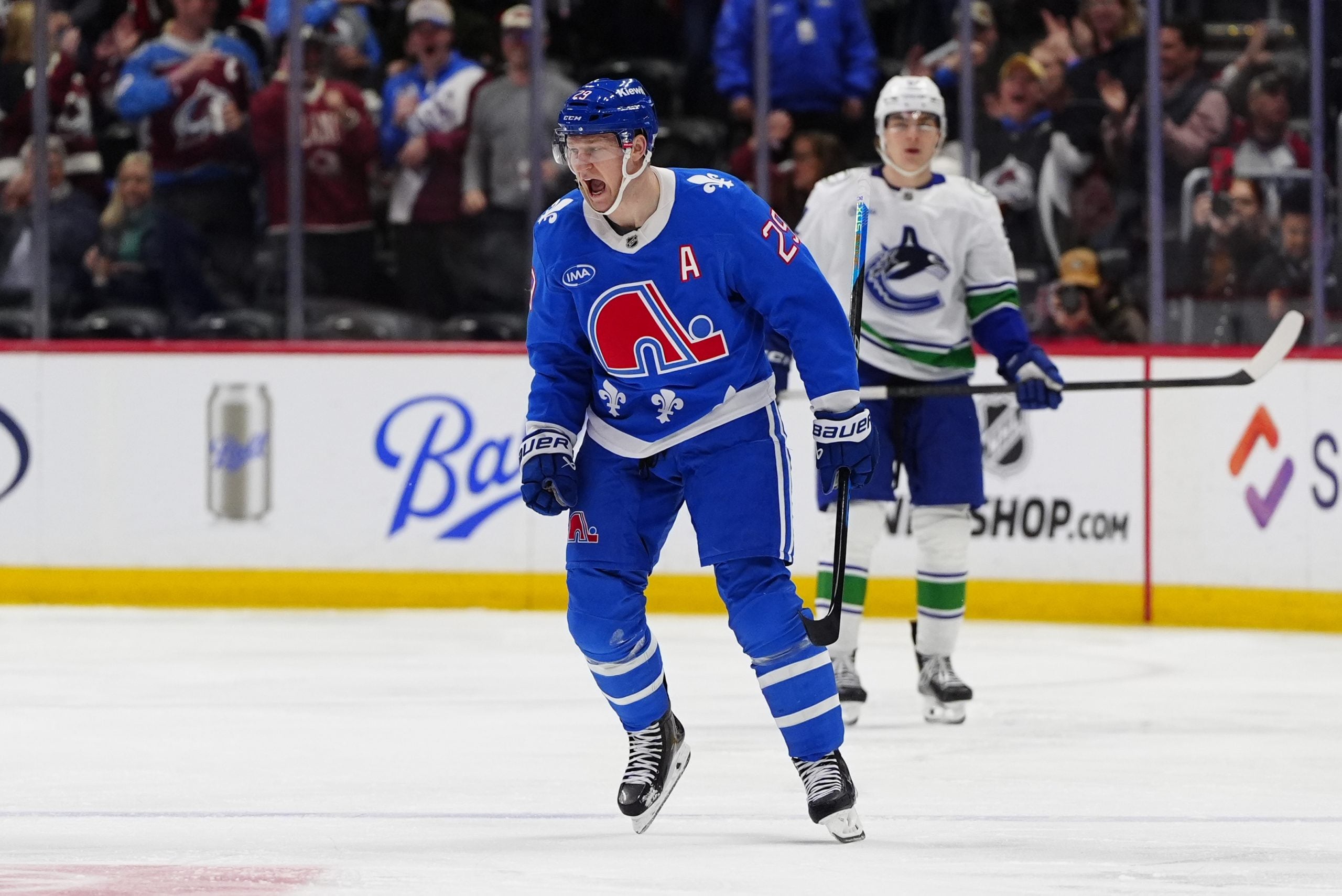
Some names who could be a fit for the Bruins when they’re up at the podium with the 23rd overall selection this year include Ryan Lin, Juho Piiparinen and Adam Goljer.
Ryan Lin The Ultimate Prize at 23
If Lin is available when the Bruins are on the clock at pick 23, they should sprint to the podium. The 18-year-old Canadian defender has shined in each of the last two seasons in the WHL with the Vancouver Giants. Offensively, his numbers speak for themselves with five goals and 53 points in 60 games during the 2024-25 season, followed by 14 goals and 57 points in 53 games this season.

While he isn’t on the same level as some of the other right-shot defenders in his class, like Chase Reid, Keaton Verhoeff and Daxon Rudolph, there’s a lot to like about Lin as a skilled, puck-moving defender who has great instincts. He may not be the biggest blueliner in the class at 5 foot 11 and 176 pounds, but his decision-making and skating more than make up for it. He has all the makings of a power-play quarterback who excels as a two-way defender at five-on-five.
For all of the reasons listed above, it would be surprising to see him fall to the 23rd pick in the Draft, but crazier things have happened.
Piiparinen Offers Strong Defensive Potential
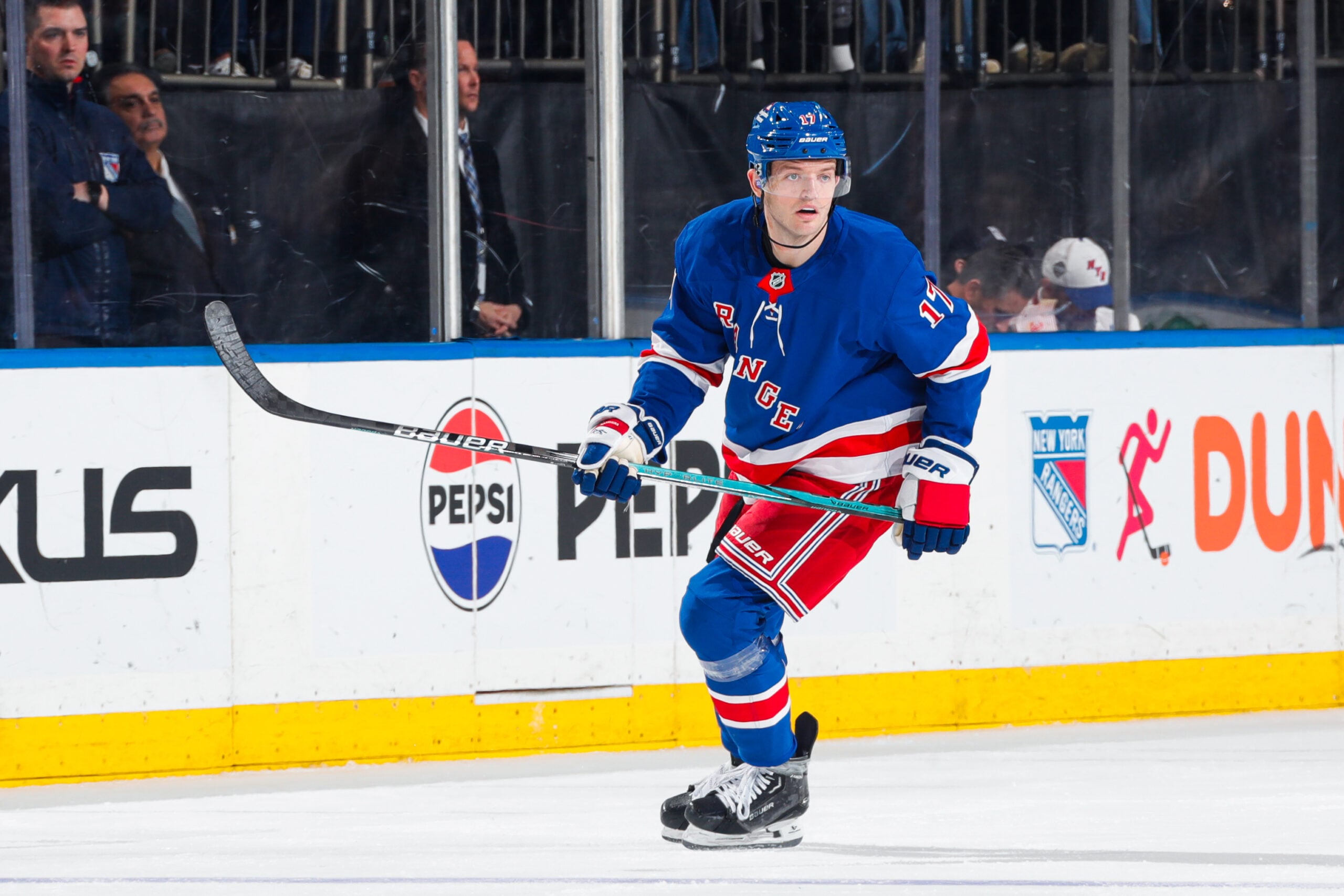
Piiparinen offers almost the opposite skillset of Lin. The 17-year-old is a physical shutdown defender who does offer some value with his first pass and improving puck-movement abilities. If the Bruins want dependability on the back-end, Piiparinen offers that exact type of value as a complementary piece who can add security to a pairing.
Piiparinen is an excellent skater with good straight-line speed. He excels at using his 6-foot-1, 201-pound frame to neutralize opposing players and has an active stick that he uses to disrupt play. He ranks right around where the Bruins will be selecting on just about every big board from scouts and could be a realistic option for the Bruins if they determine that adding more security to this position is the right approach after how this past season looked.
Goljer Represents the Biggest Option
Goljer is the biggest option of the players mentioned at 6 foot 3 and 194 pounds. His game is more predicated around defense than offense, but that doesn’t mean he’d be a complete non-factor on the offensive side of the ice for the Bruins at the NHL level. He’s reliable, has an active stick and is a solid puck mover in all three zones.
If the Bruins opt to go defense with their first-round pick, something they haven’t done since the 2017 NHL Entry Draft when they selected Urho Vaakanainen 18th overall, then Goljer could offer solid value for them as a player who could be a dependable top-four option for them in the long run. He’s also already been linked to the Bruins and could be an option if they opt to draft defense.
Bruins Don’t Need a Top-Pairing Right-Shot Defender
The tricky thing about evaluating players like Goljer and even Piiparinen as first-round talents is that most teams are hopeful that they can find top-pairing blueliners with first-round selections. Realistically, this isn’t going to be the case more often than not, especially when selecting in the back-third of the first round. For the Bruins, though, they have the benefit of not needing a bona fide No. 1 in this spot with McAvoy firmly entrenched as the team’s top rearguard.
If the Bruins can get a dependable second-pairing defender with the 23rd overall pick, they should take a swing every single time. Of course, this is also dependent on how the board falls for the Bruins when they’re on the clock. If any of these players are the highest-ranked names left on the Bruins’ board, the decision should be fairly simple. If a player much higher on their big board at a different position happens to fall, though, then drafting the best player available is often the better play as a whole.
As mentioned, the Bruins have options this offseason to address their weakness on the right side. Any drafted player will almost certainly take time to develop before eventually making the NHL anyway, meaning drafting for current position should take a backseat relative to the complete picture; best player available should always be the focus, though sometimes these things do line up nicely.
Free Newsletter
Get Boston Bruins coverage delivered to your inbox
In-depth analysis, breaking news, and insider takes - free.
Subscribe Free →