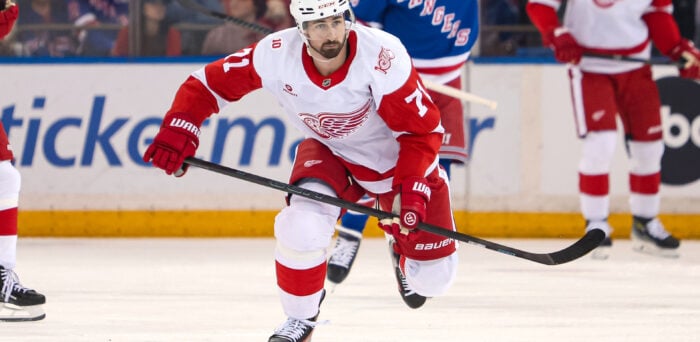
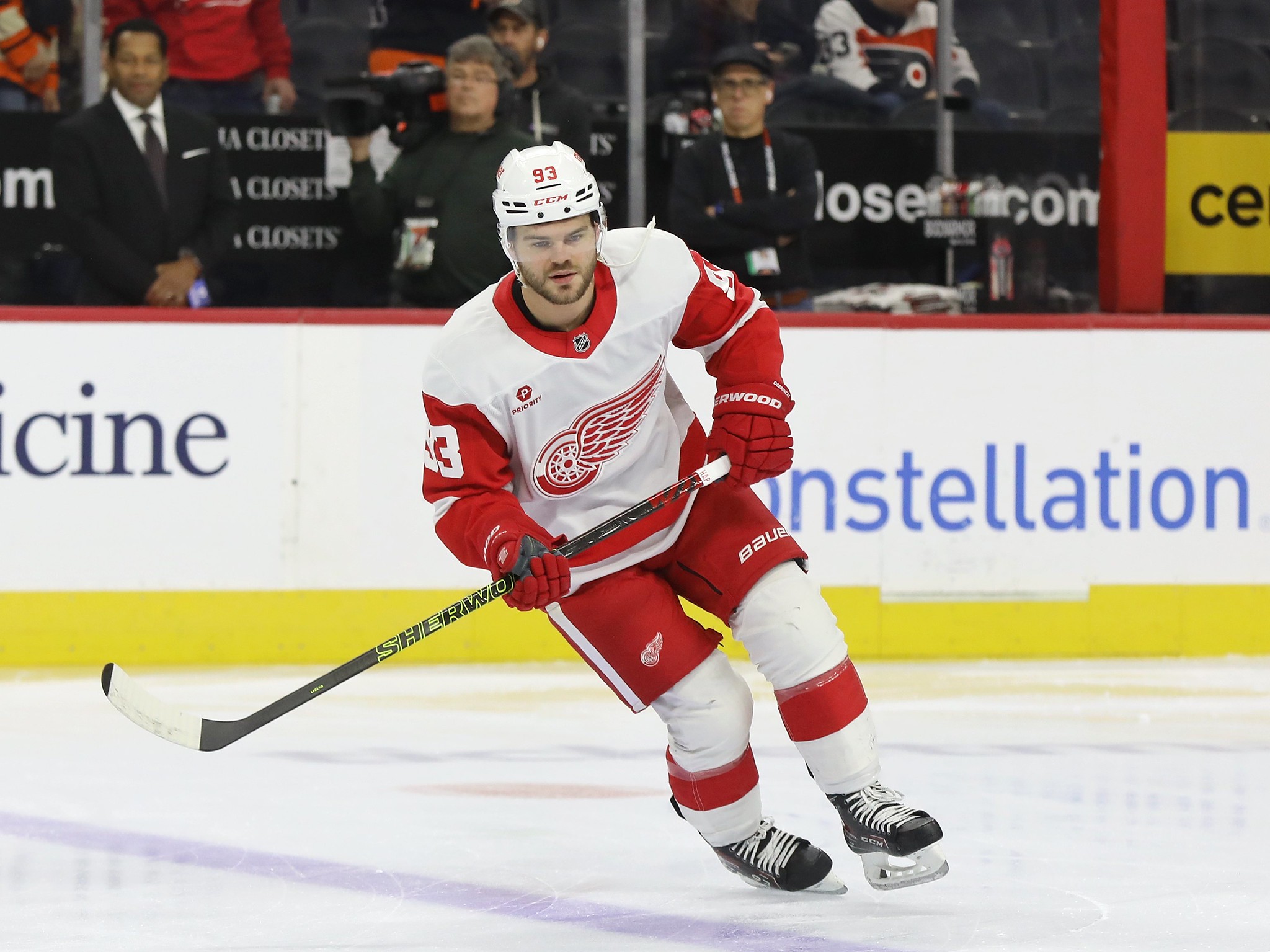
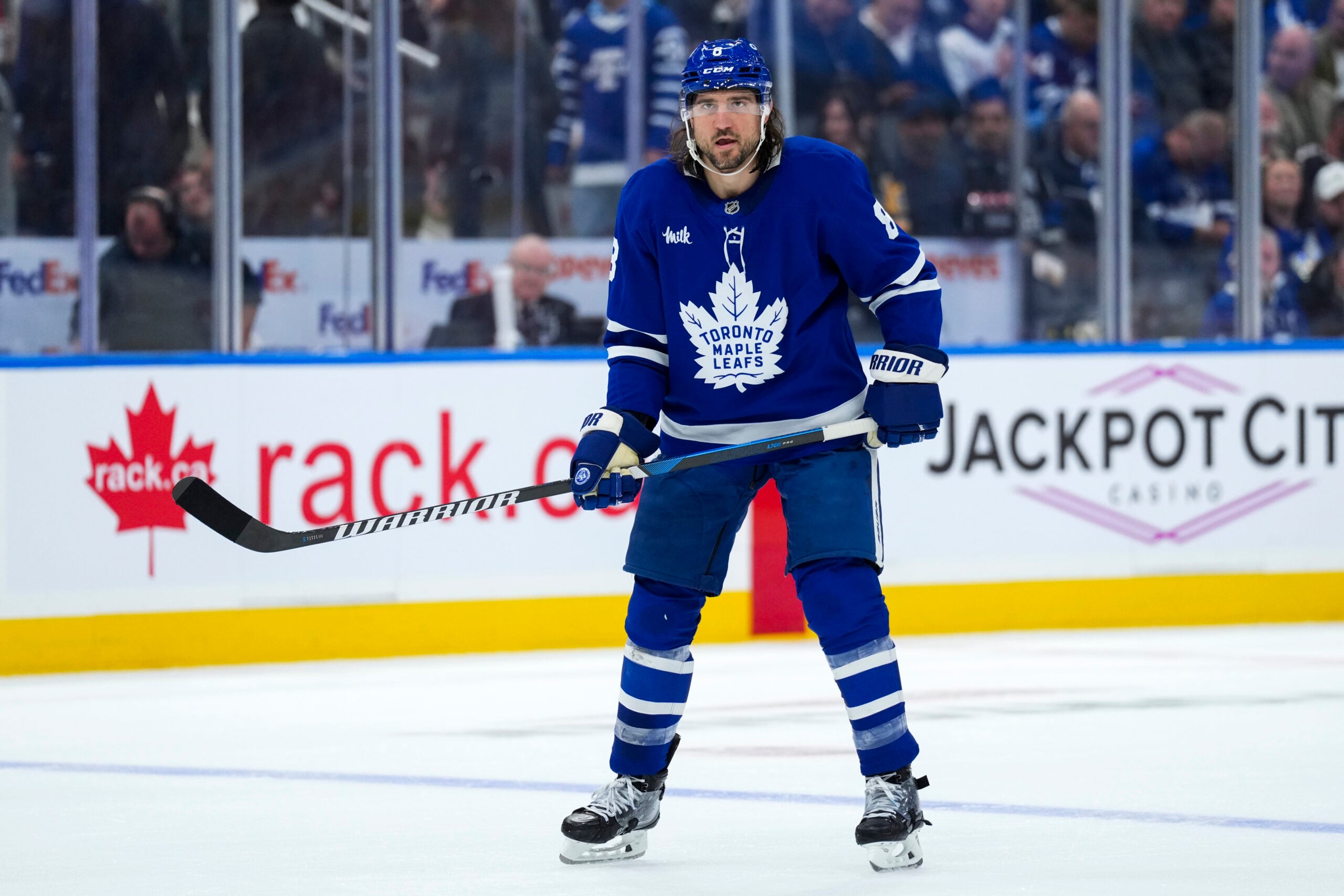
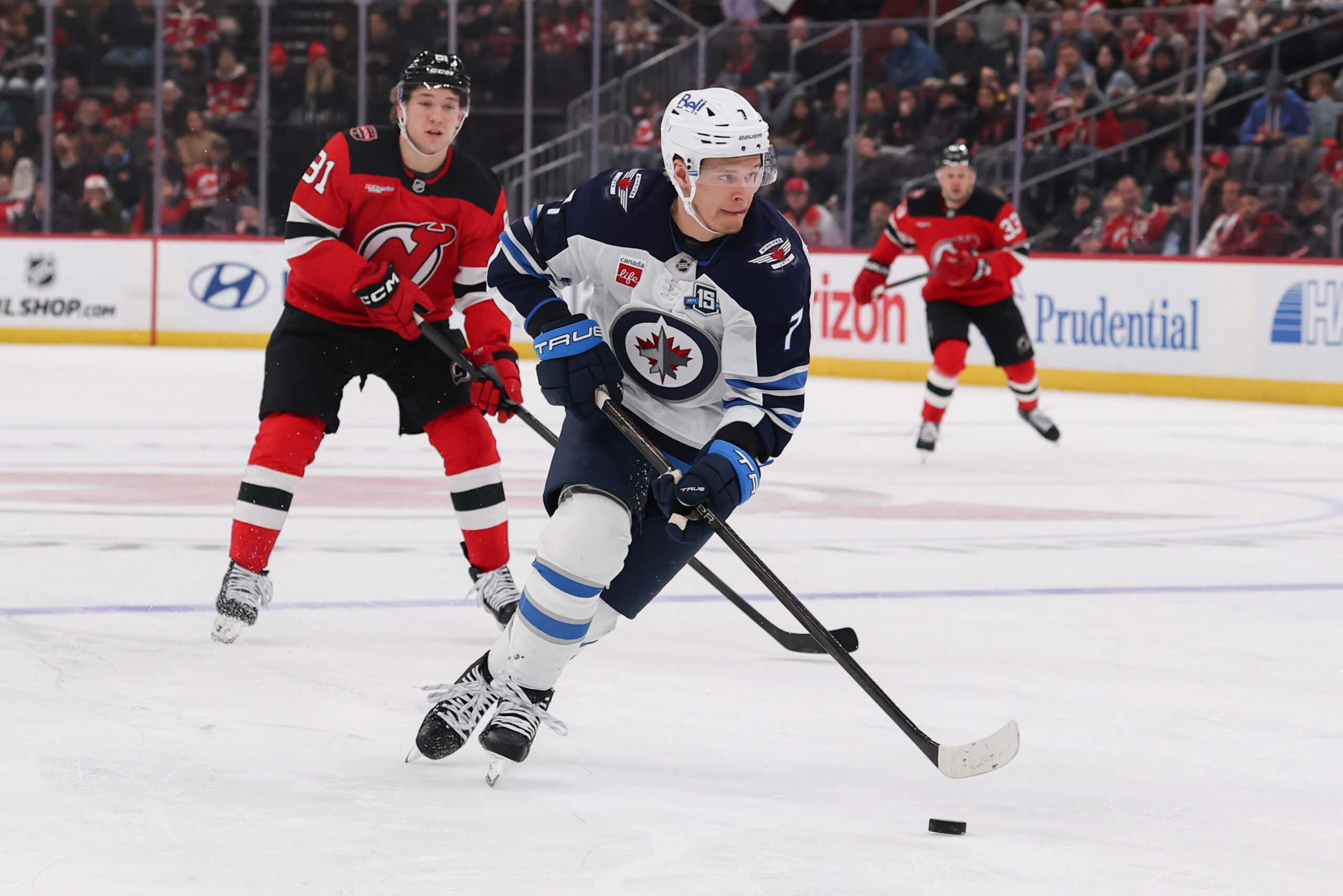
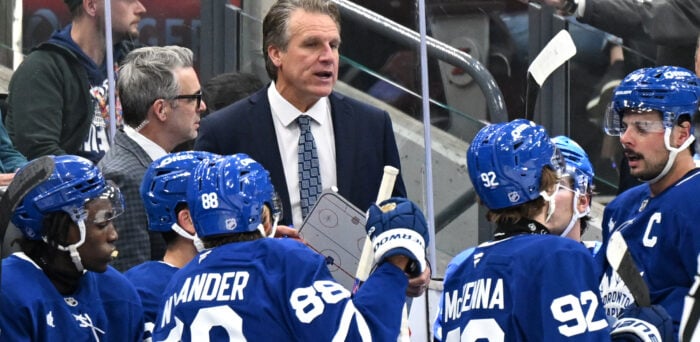
As news came out Thursday afternoon that captain Dylan Larkin had requested a trade away from the Detroit Red Wings, the initial reaction from the fanbase was dread. Here’s the team’s captain and first line center abandoning ship, does this mean the team is going to go into the tank again and have another dark decade of “rebuilding”?
Or, hear me out on this, could this be exactly what the Red Wings needed to do but might not have had the stomach for until Larkin made the request? It was already clear that Detroit needed to decide how they were going to build this team going forward this offseason, and this news has sped up that process.

One option was to build around guys like Larkin and Alex DeBrincat, players in their late 20s who are in the prime of their careers but won’t likely be for much longer. Detroit made a few moves tailored to that approach throughout the season, including trading away their 2026 first round pick for Justin Faulk.
However, Larkin’s trade request takes this whole team building approach off the table right away for Detroit, leaving them with only one direction.
What Do the Red Wings Need in a Trade?
The most glaring hole in the Red Wings roster has been on the wing of the first line for several years now, but that hole is now dwarfed by the crater left in Larkin’s departure. The first priority in a Larkin trade is getting a center back in return. This can be either a top-line quality center or a young player/prospect who projects to become just that.
Guys like Michael Misa of the San Jose Sharks, Matty Beniers of the Seattle Kraken, James Hagens of the Boston Bruins, and Caleb Desnoyers of the Utah Mammoth would all likely fit this piece of the puzzle. All of these names will likely hit the rumour mill in the near future (as well as Robert Thomas, Elias Pettersson, and Mason McTavish), but as long as Detroit renters their return package around someone of this rough profile, they will be on the right track.
What should Detroit prioritize after that? Anything of value. The Red Wings aren’t in a position to be picky here and should prioritize netting the most aggregate value in return for their captain. The Vancouver Canucks did this quite well in the Quinn Hughes trade, adding three young players of quality as well as a first round pick. Larkin isn’t remotely on the level of Hughes skill-wise, but the draw of a first line center on an affordable contract is sure to attract a bidding war of sorts.
Who is in the New Core?
For roughly 12 years, Dylan Larkin has been at the center of the Red Wings’ “core”. With Larkin clearly on his way out, what does the team’s new core look like. Firstly, by core I mean a group of players who are either untouchable in a trade or very close to it unless someone ponies up with a big offer. I’m not going to just list Detroit first round picks of the past five years as their core, because not all of those players have established themselves as worthy of that group.
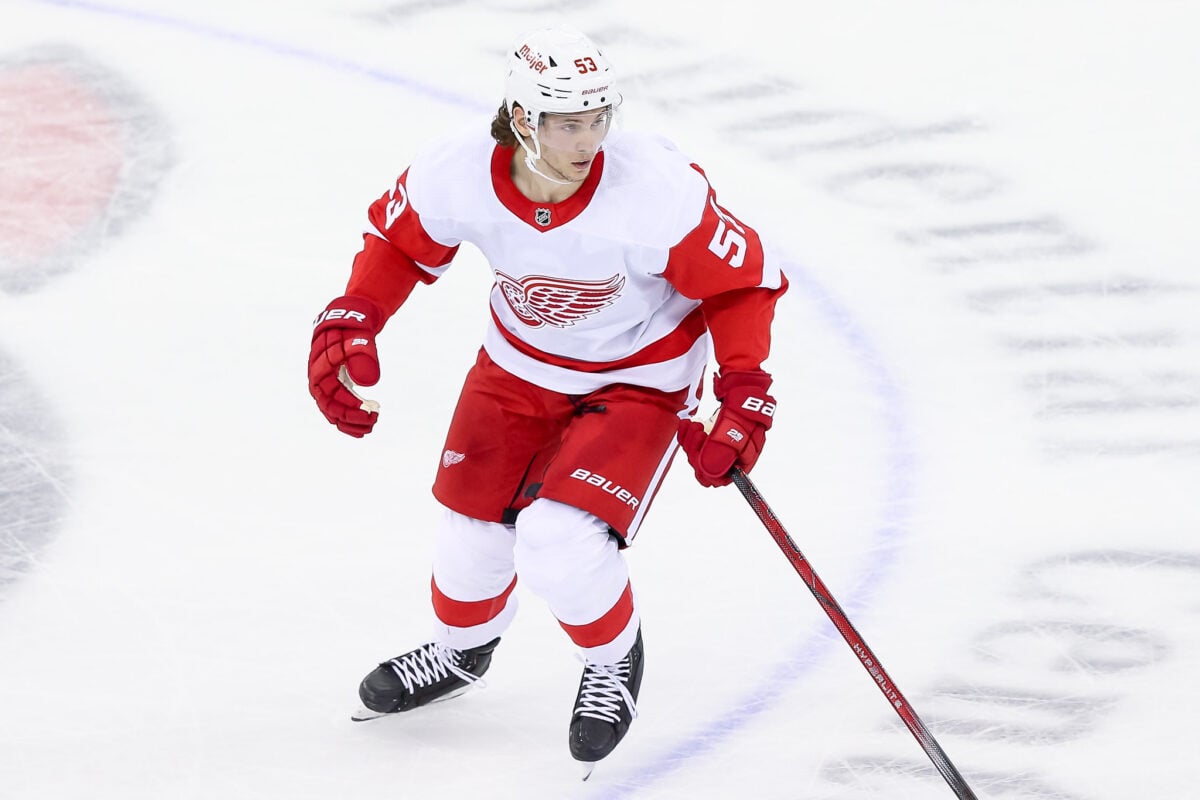
Moritz Seider is the most obvious pick here, and I think he’s likely to be the oldest player in the team’s core, meaning sniper Alex DeBrincat is likely on his way out as well rather than signing a new extension. DeBrincat will likely be at least 30 before this team is genuinely read to compete, so it might be best to trade him now while his value is sky-high following his 40-goal season.
Lucas Raymond is another member of this core group, establishing himself as Detroit second best and most important forward ever since his rookie season. Simon Edvinsson has also proven himself to be a cornerstone piece for Detroit recently, looking like an excellent top-four defender.
At this point, I’m not sure there’s any more players in the core of the team just yet. Young centres Nate Danielson and Marco Kasper will be under a lot of pressure to perform and fill some of the hole left by Larkin’s trade, but I’m not expecting either of them to become a first line center at this point.
Wingers like Carter Bear, Max Plante and Michael Brandsegg-Nygård (MBN) all have the chance to become strong top-six wingers for Detroit, but I’m not willing to put them in that group just yet.
It was likely that these were going to be the best players on the next Red Wings team to make the playoffs even a few years ago, so committing to the growth of their young players for a few years and adding more young talent is clearly the best path forward for Detroit.
What Does This Mean For the 2026-27 Red Wings?
Let’s rip off the bandaid. The Red Wings are almost certainly going to miss the playoffs once again in the 2026-27 season. There’s no chance that they land a player who is as good, if not better, than Larkin in a trade, so it’s most likely that the team is going to take a step back next season.
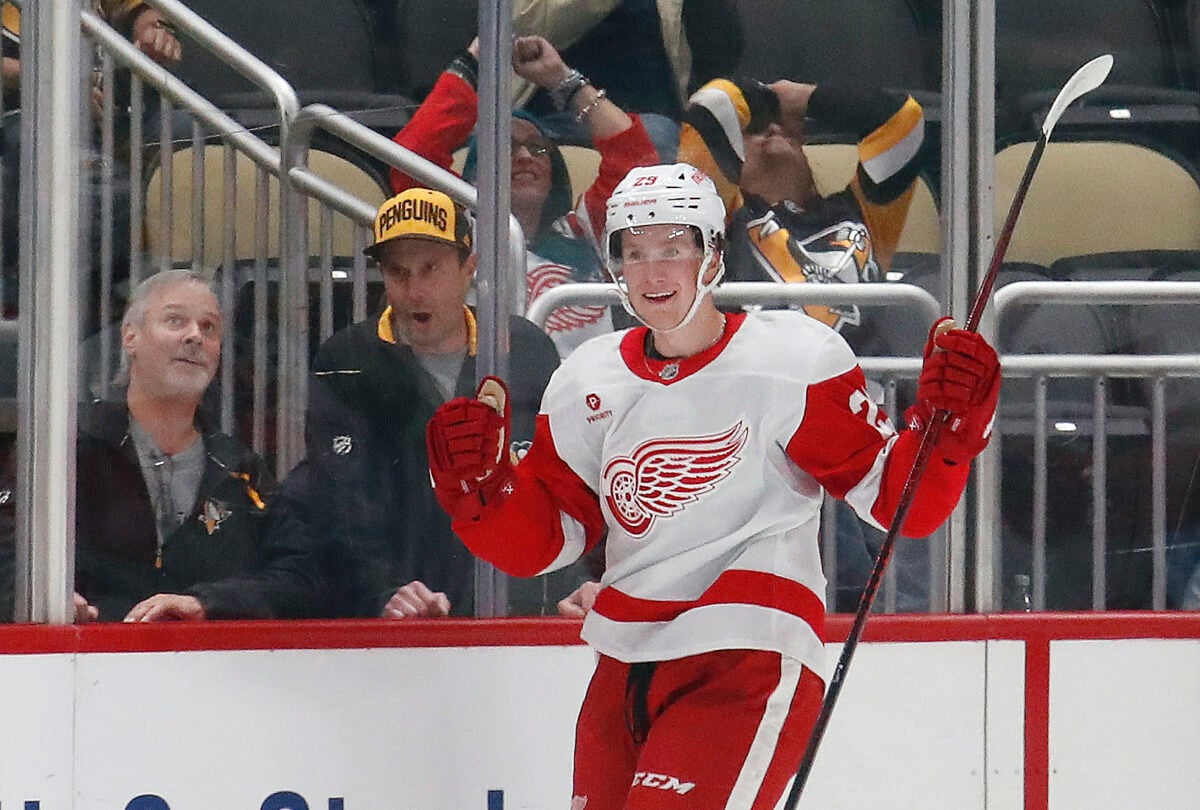
With most of their best players only improving, there’s a chance that this backwards step isn’t as massive as some doom-and-gloomers expect. Regardless, the ultimate goal for the 2026-27 will still likely be competing for a playoff spot, but their very next priority must be the continued development of their top young players like MBN, Danielson, and Axel Sandin Pellikka (ASP). These will be some of their best players when the team is genuinely contending in the playoffs, so they might as well invest in them properly now.
What Does This Mean For Their Playoff Timeline?
The timeline for the Red Wings return to the playoffs likely doesn’t move back all that much with the inevitable Larkin trade, though the team’s internal expectations for their timeline will have to. As currently constructed, the Red Wings would likely have missed the playoffs again next season considering the continued success and growth of division rivals like the Montreal Canadiens and the Buffalo Sabres.
Instead of building for today, burning futures for good, but not great, pieces like Justin Faulk, the Red Wings will be forced to build for tomorrow, adding even more young talent and constructing their roster in a way to maximize the impact and growth of these players.
While fans are rightfully upset that the franchise has wasted the career of Dylan Larkin and squandered their playoff chances year after year, Larkin’s trade request might have just forced the Red Wings to do what they should have done anyway. Take their medicine (awful as it may be), in favour of long-term success and growth.
Free Newsletter
Get Detroit Red Wings coverage delivered to your inbox
In-depth analysis, breaking news, and insider takes - free.
Subscribe Free →