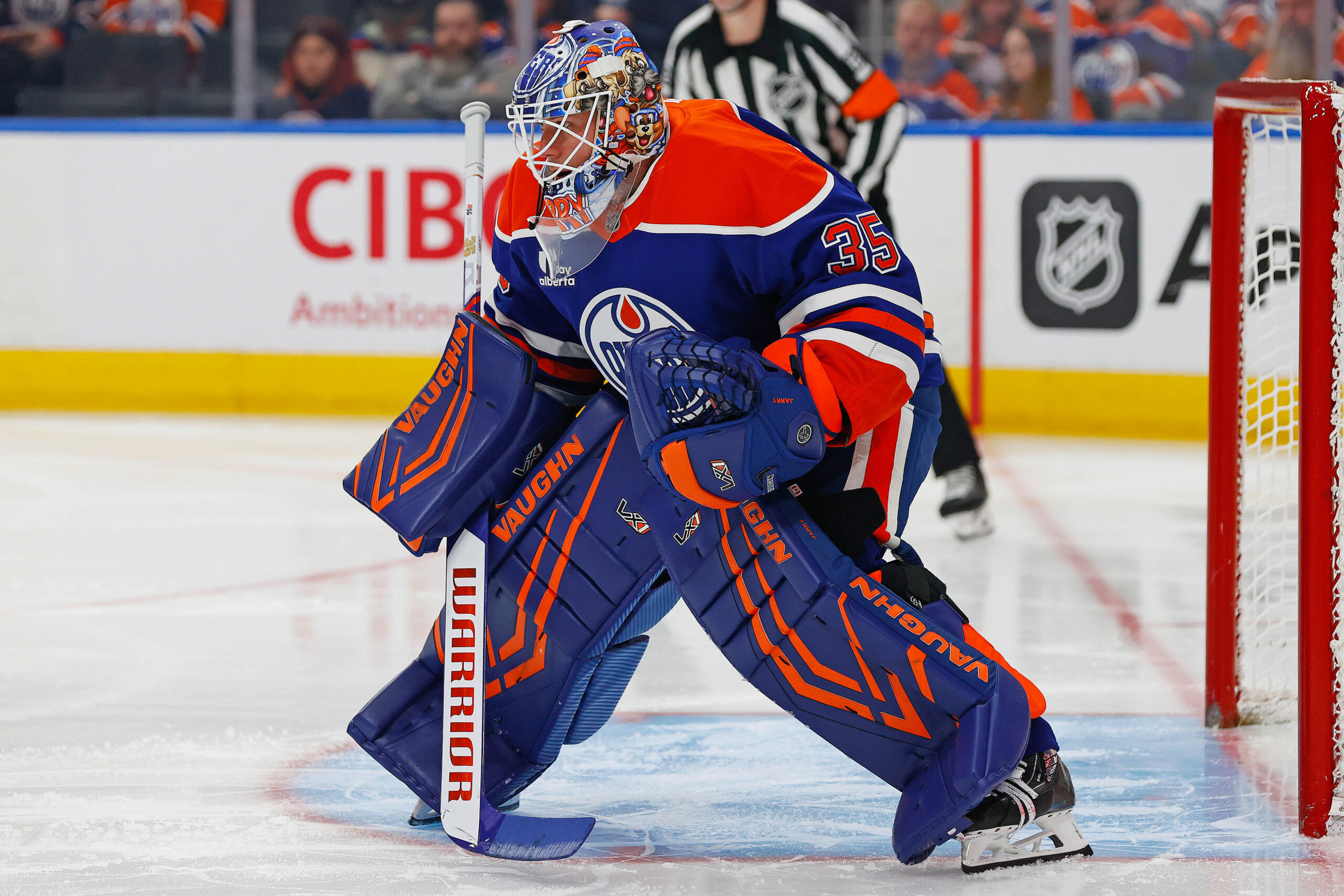
Bill Zito, the still somewhat new general manager of the Florida Panthers, has spent the last year and a half re-tooling his roster. The team is ahead of schedule and coming off of an impressive regular season and competitive postseason performance. Optimism is high, but Aleksander Barkov, the Panthers’ all-star captain, is an unrestricted free agent at the end of the season. Barkov wants to re-sign, but he also wants his big NHL payday from the small market, cap stretched club. How does Zito give his franchise player the salary he expects without mortgaging the future?
What Can the Panthers Afford?
Before even considering what Barkov is worth, what can the team afford?
To Zito’s credit, he’s done a masterful job of handing out value contracts on short terms. With the exception of goaltender Sergei Bobrovsky, who signed before Zito joined the organization, not a single player is under contract beyond 2024-25. The recently acquired Sam Bennett got a four-year deal, while forwards Sam Reinhart, Anthony Duclair, Carter Verhaeghe, and defensemen Brandon Montour and Gustav Forsling all received three-year deals. That means paying a high annual average value (AAV) to Barkov is not a problem in the long term.
Zito could capitalize on that by backloading the actual salary paid to Barkov as done in the five-year, $45 million Kirill Kaprizov deal signed earlier this month by the Minnesota Wild. For a small-market team, it isn’t just the total dollar amount that’s important, but it’s when that money goes out the door. Despite the bright future, the Panthers join the Columbus Blue Jackets as the only team not to have a game exclusively on ESPN this season. Their arena will be without naming rights — and the profit that generates — this season. They may compete for a Stanley Cup, but their revenues will still be below league average.
When it comes to the short term, the Panthers have 14 players under contract for next season, including most of their core and both goaltenders. They have $14.5 million of cap space to sign the remainder of the roster, which includes Barkov and as many as four restricted free agents. The math here is simple; to afford Barkov, management must be comfortable with its young forwards on entry-level contracts, like Anton Lundell and Gregori Denisenko, playing every day.
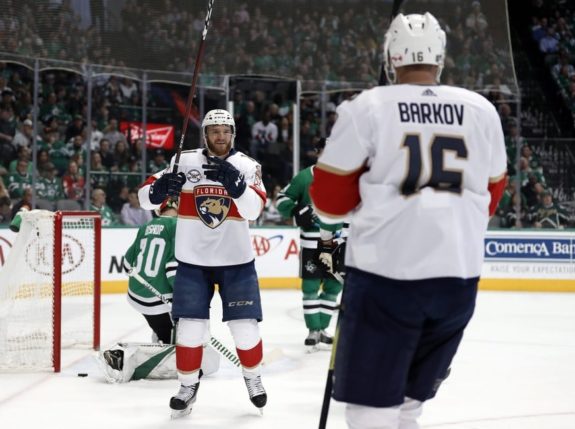
Complicating matters is Barkov’s high-scoring teammate Jonathan Huberdeau, who enters unrestricted free agency just one year later. Whatever Barkov ends up getting will be exhibit A for Huberdeau’s camp as they enter contract talks this time next year. Luckily, between Keith Yandle’s buyout receding and Patric Hornqvist’s contract expiring, the Panthers free up almost $9.5 million in cap room – a convenient amount for Huberdeau.
All that said, the goal for Zito is clearly to keep Barkov’s AAV as low as possible, leaving maximum flexibility while the Panthers are competitive. Expect a full, or at least modified, no-movement clause and some creativity around when the dollars actually flow to the Finnish centre. Next, expect an eight-year deal, which he would not be eligible to receive on the open market, to give Barkov more job security and allow the Panthers to stretch the AAV over an additional year.
The Value of Aleksander Barkov
The next question, of course, is what is Barkov actually worth?
Free Newsletter
Get Editor's Choice coverage delivered to your inbox
In-depth analysis, breaking news, and insider takes - free.
Subscribe Free →