The dust has settled, at least for now, on the busiest stretch of the NHL offseason. Free agency has now settled into a quieter second day. The biggest trades might have already happened, and for the first time in a couple of weeks, it’s possible to step back and look at what the Toronto Maple Leafs have actually built. That can sometimes be more revealing than focusing on each individual signing as it happens.
What’s interesting this summer is that the Maple Leafs don’t simply look different on paper. They sound different. The conversations coming out of the organization suggest there may be a shift in how the front office thinks about building a hockey team. At the same time, the roster itself appears deeper than it has in years, setting the stage for what should be one of the most competitive training camps the franchise has had in quite some time.
One Difference Between Chayka and Treliving Is How They Talk About Building Teams
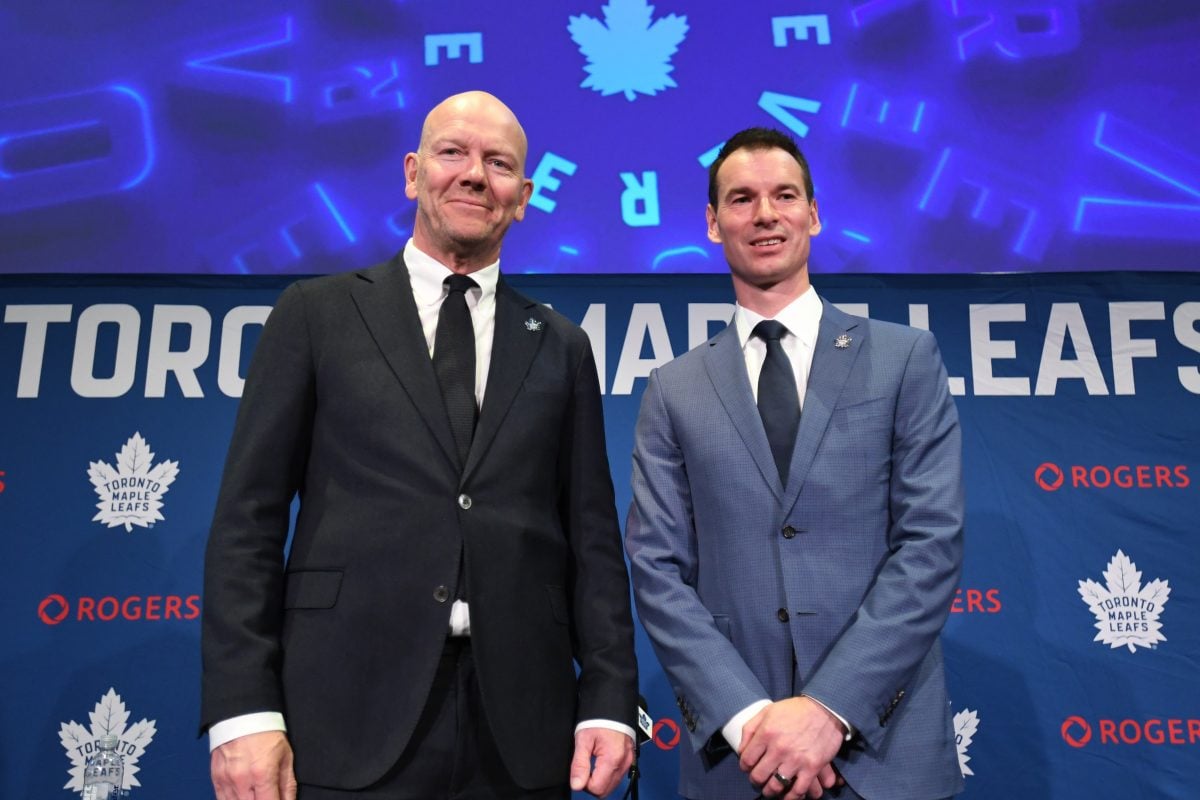
One thing that stood out from John Chayka’s comments after free agency wasn’t any particular signing. It was the language he used to describe what the Maple Leafs were trying to accomplish. Instead of talking about individual players, he kept returning to “roster construction,” “roles,” and improving the “spine” of the team. His focus wasn’t on who they added as much as why those additions fit together.
That’s a subtle difference from Brad Treliving’s public approach. Treliving often explained what he liked about individual players, their character, toughness, leadership, or experience. Chayka seems to start from a different place. He identifies the roles the team needs to fill and then looks for players who fit those roles. It’s less about collecting good players and more about assembling a complete roster.
Whether that philosophy leads to more playoff success remains to be seen. But if Chayka’s first free-agency day is any indication, he appears to be thinking less about making splashy additions and more about building a lineup with balance from the middle out. It’s an interesting shift in perspective, and it may become one of the defining characteristics of this new era of Maple Leafs hockey.
Maple Leafs Depth Chart Snapshot: A Crowded, Competitive Roster Battle Taking Shape
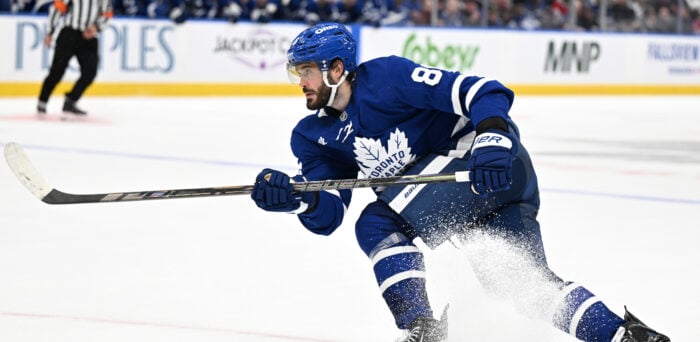
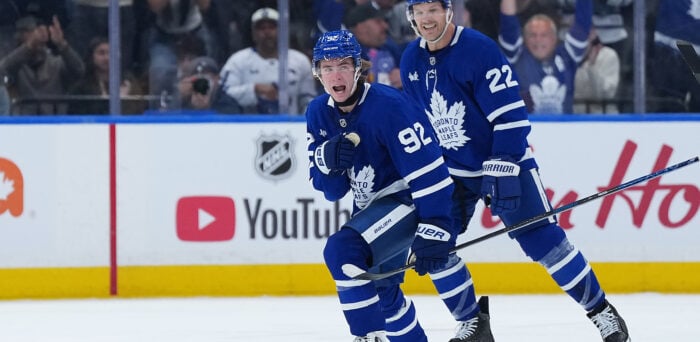
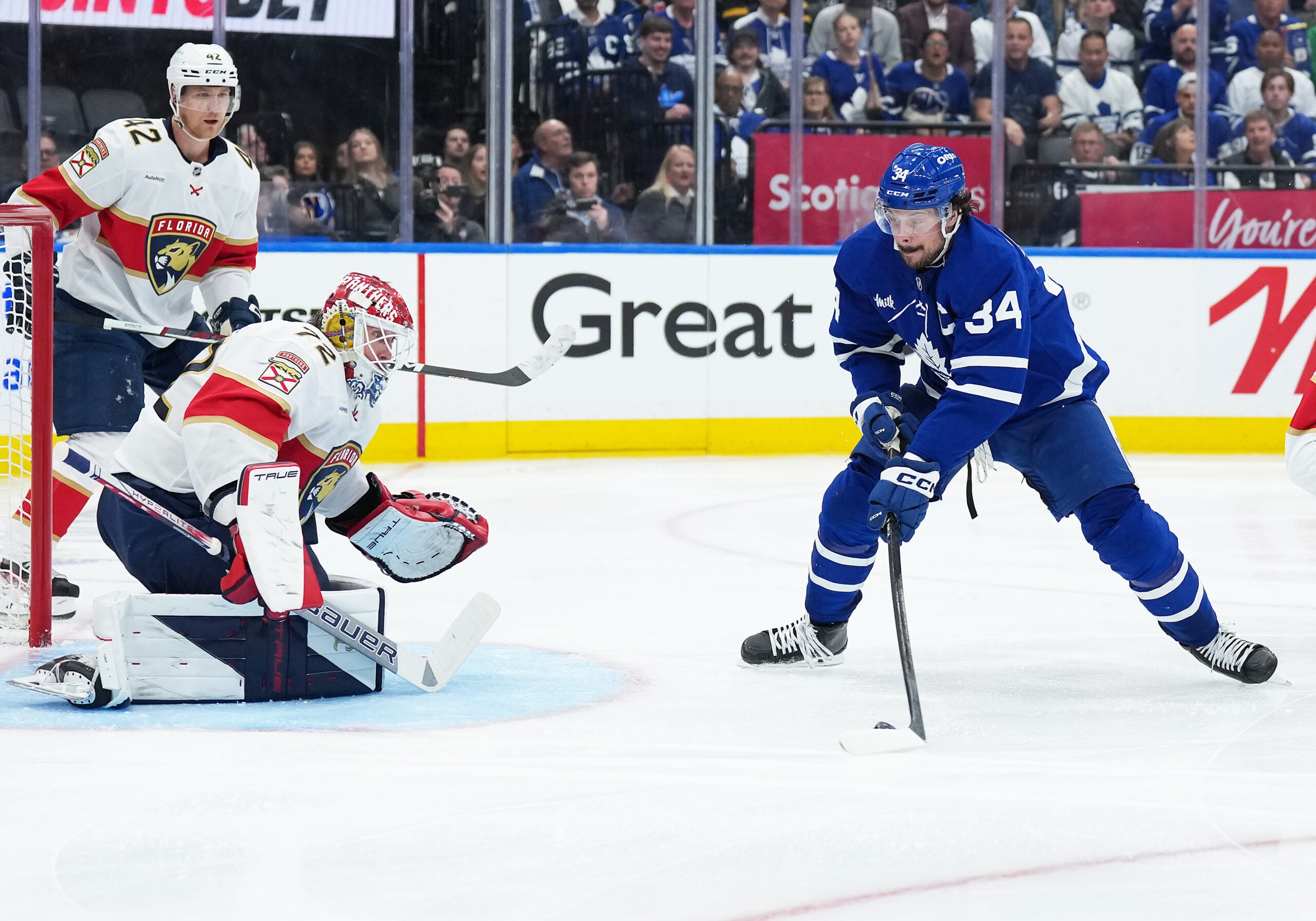
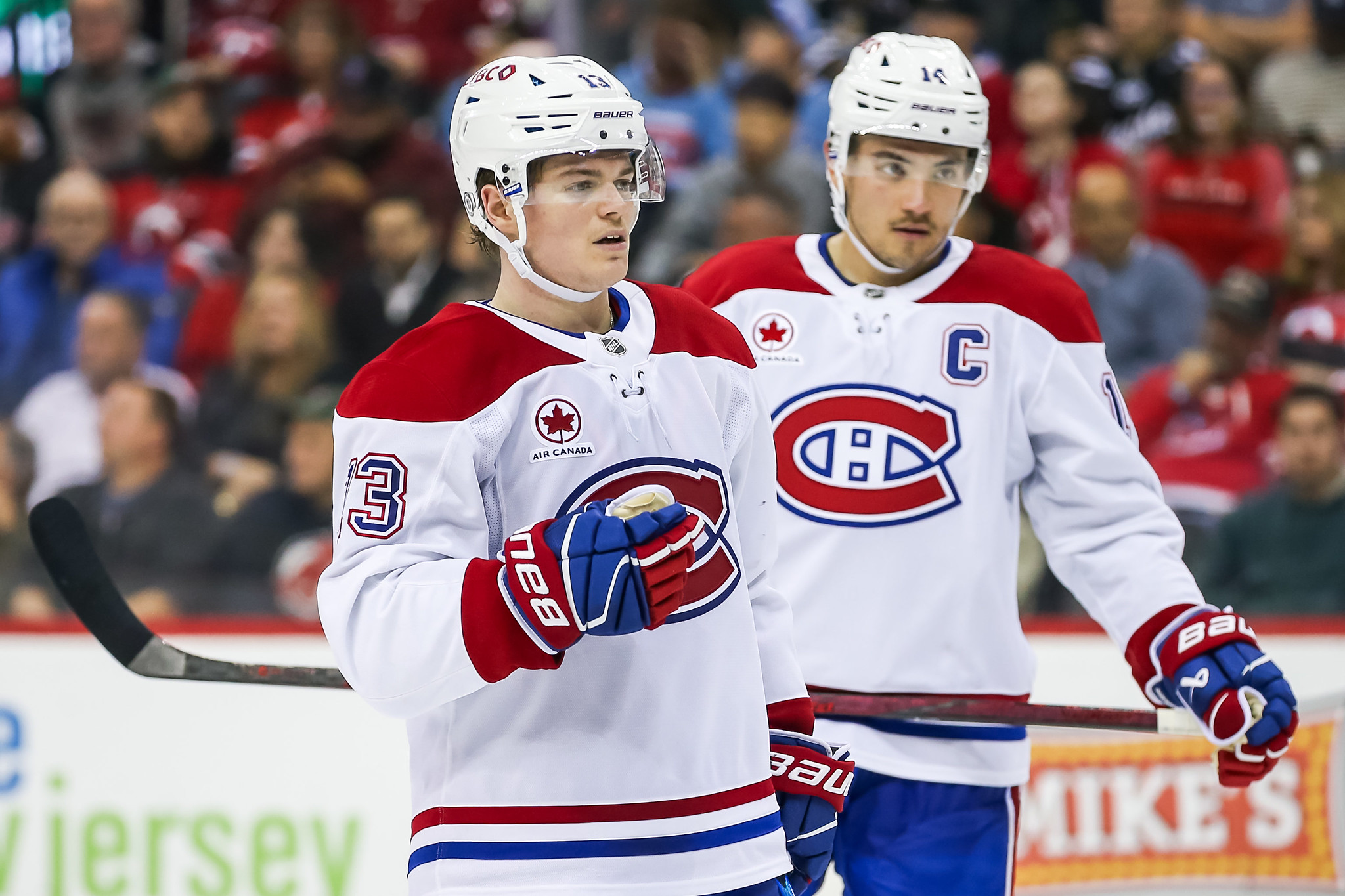
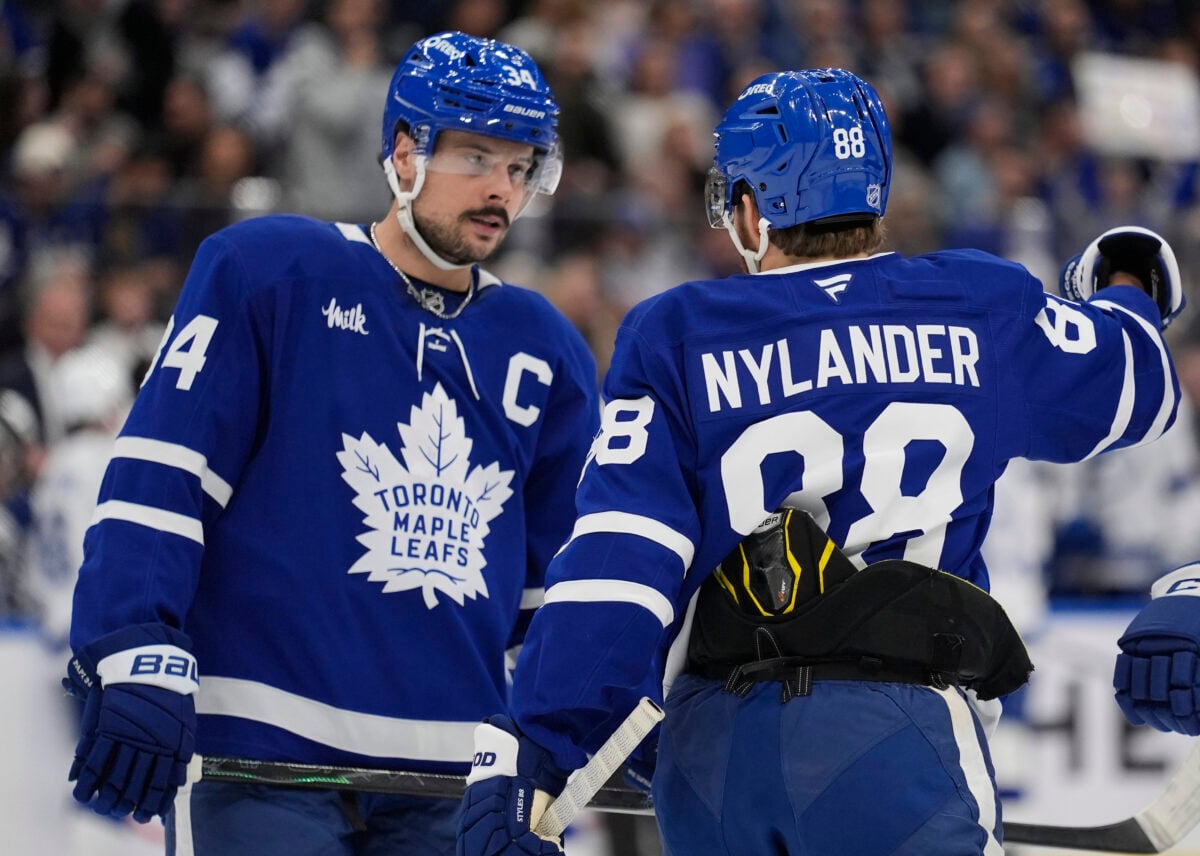
The forward group already looks like a mix of established stars and players fighting to carve out defined roles. On the left side, Gavin McKenna, Matthew Knies, Easton Cowan, Dakota Joshua, and Max Domi (when he returns after his surgery) give Toronto a blend of youth, size, and versatility. Down the middle, the spine is still driven by elite centre depth in Auston Matthews and John Tavares, with depth pieces like Nick Paul, Colton Sissons, and Teddy Blueger adding structure and matchup flexibility.
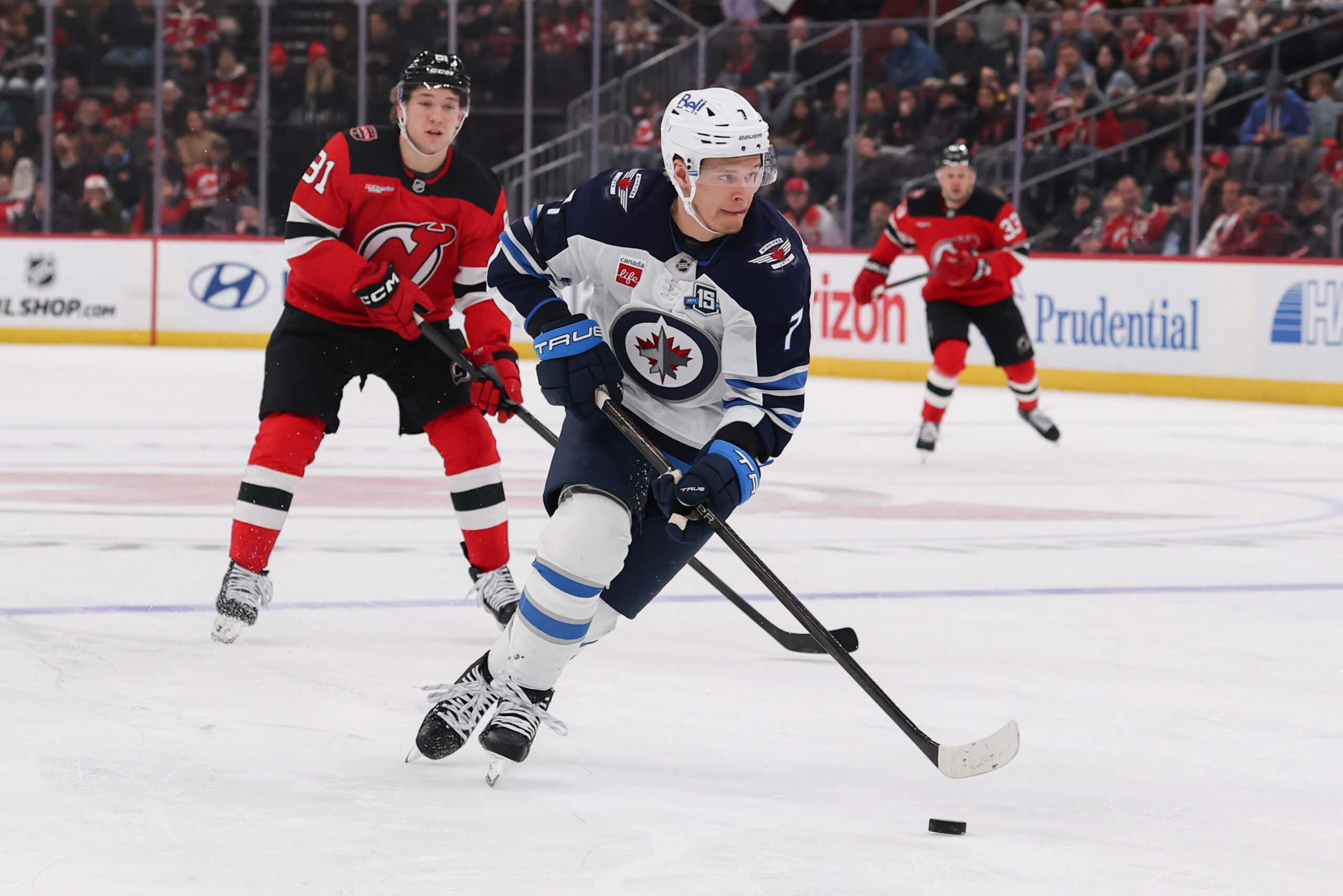
On the right side, there is William Nylander, supported by depth players such as Jack Roslovic, Steven Lorentz, and Zack MacEwen. It’s a versatile group, with several players capable of moving up and down the lineup depending on matchups, injuries, and special teams usage.
(John E. Sokolowski-Imagn Images)
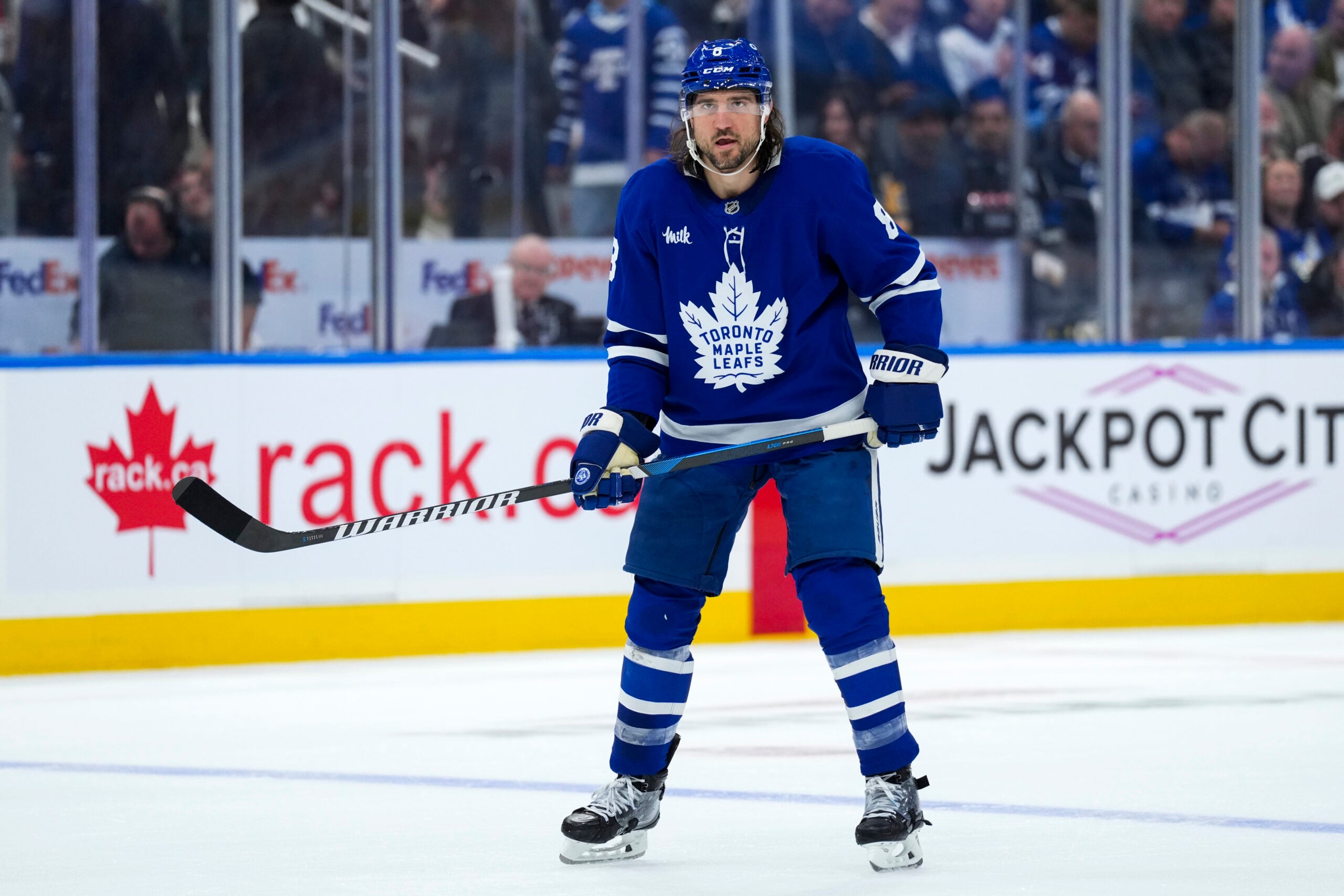
The blue line is made up of returning Maple Leafs Jake McCabe, Morgan Rielly, Chris Tanev, Oliver Ekman-Larsson, and Troy Stecher. They’ll be joined by newcomers Emil Andrae and Darren Raddysh. In goal, the tandem of Sergei Bobrovsky and Anthony Stolarz, with Artur Akhtyamov developing behind them, rounds out a roster that looks more like a competitive depth chart than a fixed lineup. The real question now isn’t talent, it’s how the pieces actually settle when the games start counting.
One thing that jumps out from looking at the roster is that very few jobs feel completely secure outside the obvious stars. There are players who can move from the second line to the fourth, wingers who can play either side, and veterans who will have to earn their ice time just as much as younger players hoping to make an impression. Coaches often talk about wanting internal competition, but this roster actually appears designed to create it.
The Bottom Line
Whether all of this works won’t be answered in July. It probably won’t even be answered in October. Roster construction is easy to admire on paper. The difficult part comes when injuries arrive, chemistry doesn’t develop as expected, and difficult lineup decisions have to be made over an 82-game season. That’s where this new approach will really be tested.
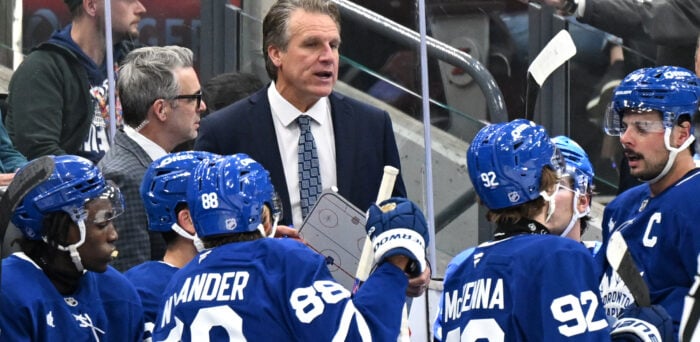
Still, there’s something intriguing about what the Maple Leafs have assembled. The emphasis doesn’t appear to be on winning July 1 or collecting the biggest names available. Instead, it seems to be about creating layers throughout the lineup, giving new head coach Jim Hiller multiple options, and making sure the club isn’t relying on the same handful of players to solve every problem.
Free Newsletter
Get Toronto Maple Leafs coverage delivered to your inbox
In-depth analysis, breaking news, and insider takes - free.
Subscribe Free →