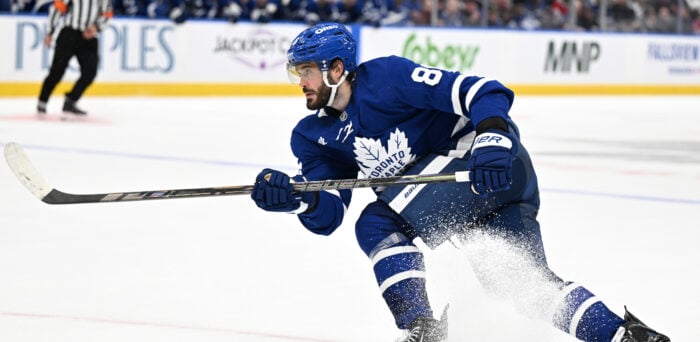
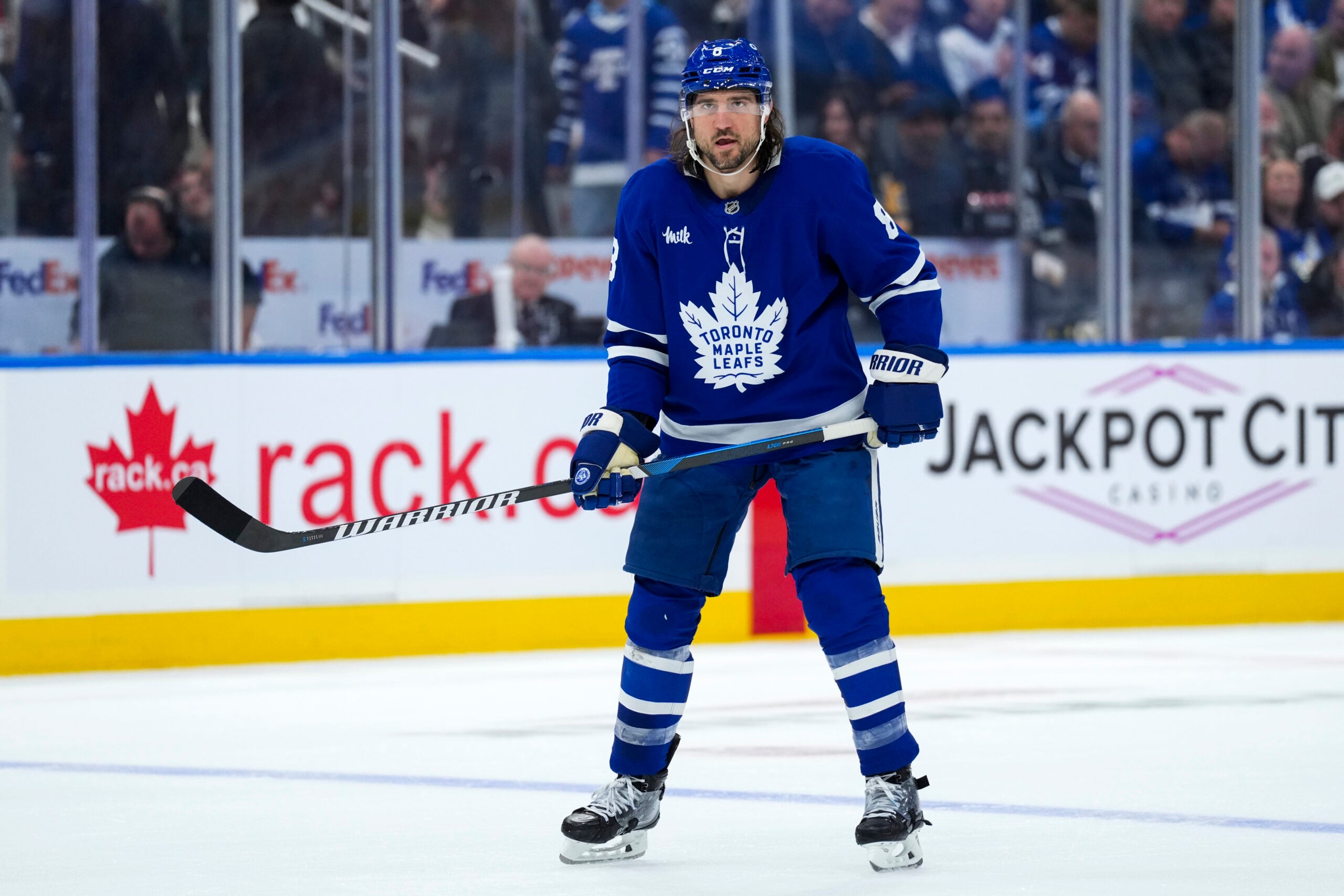
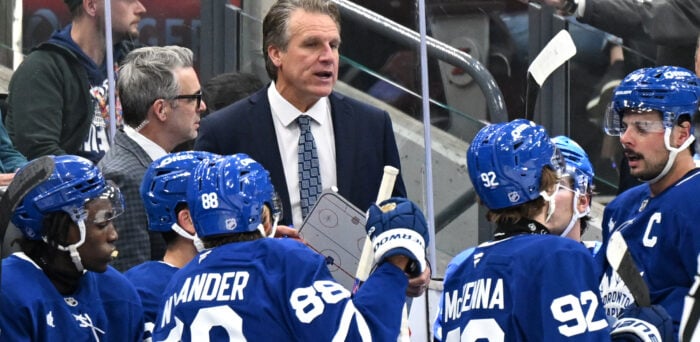
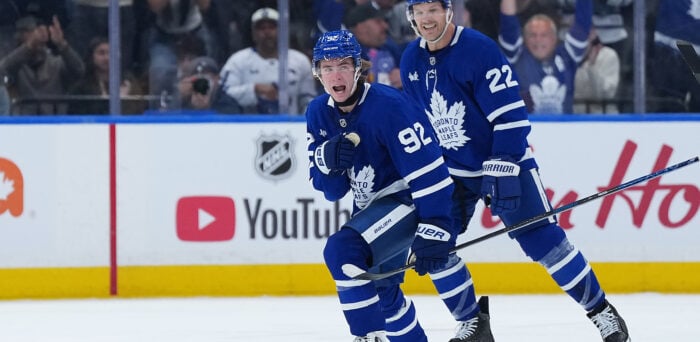
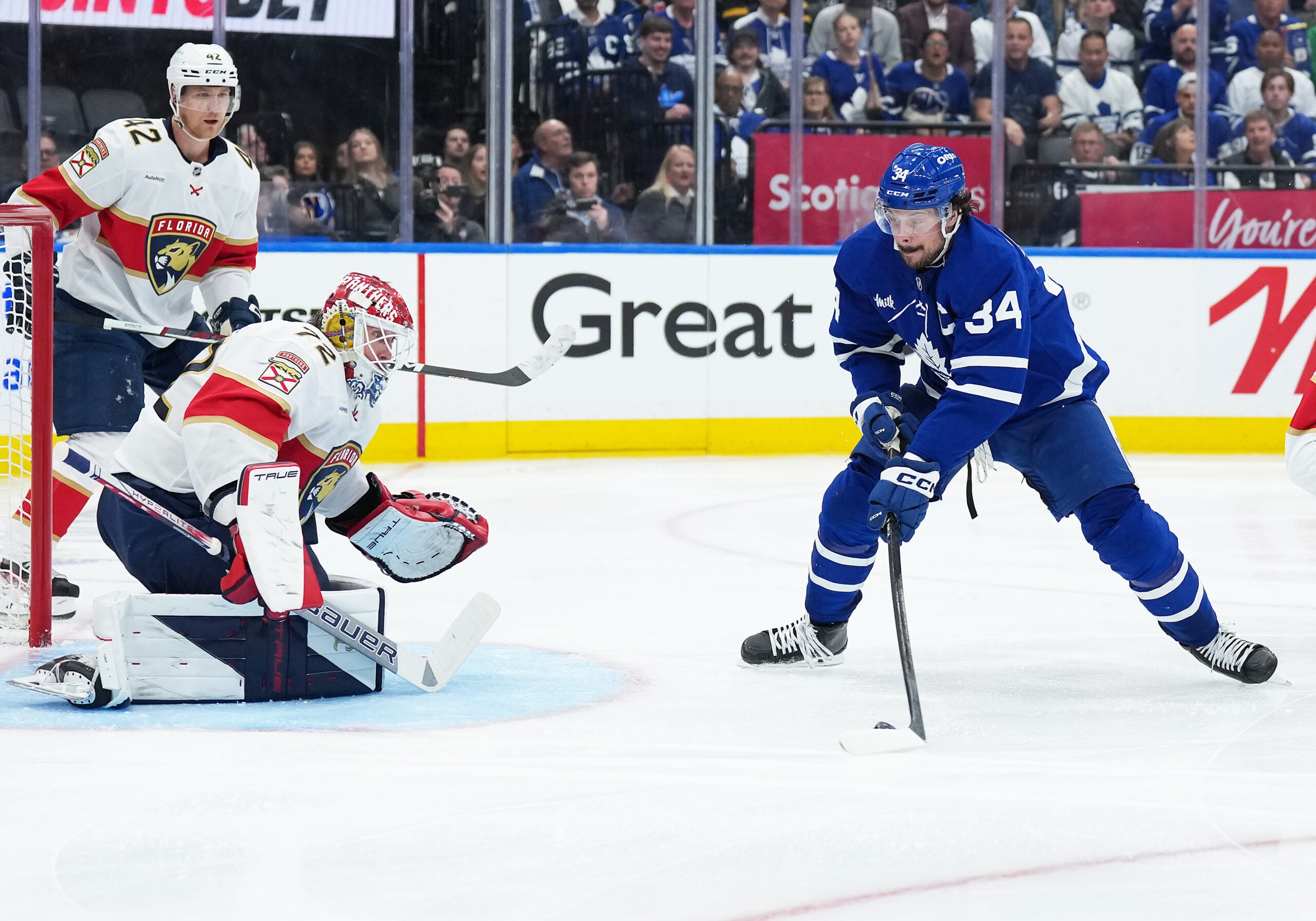
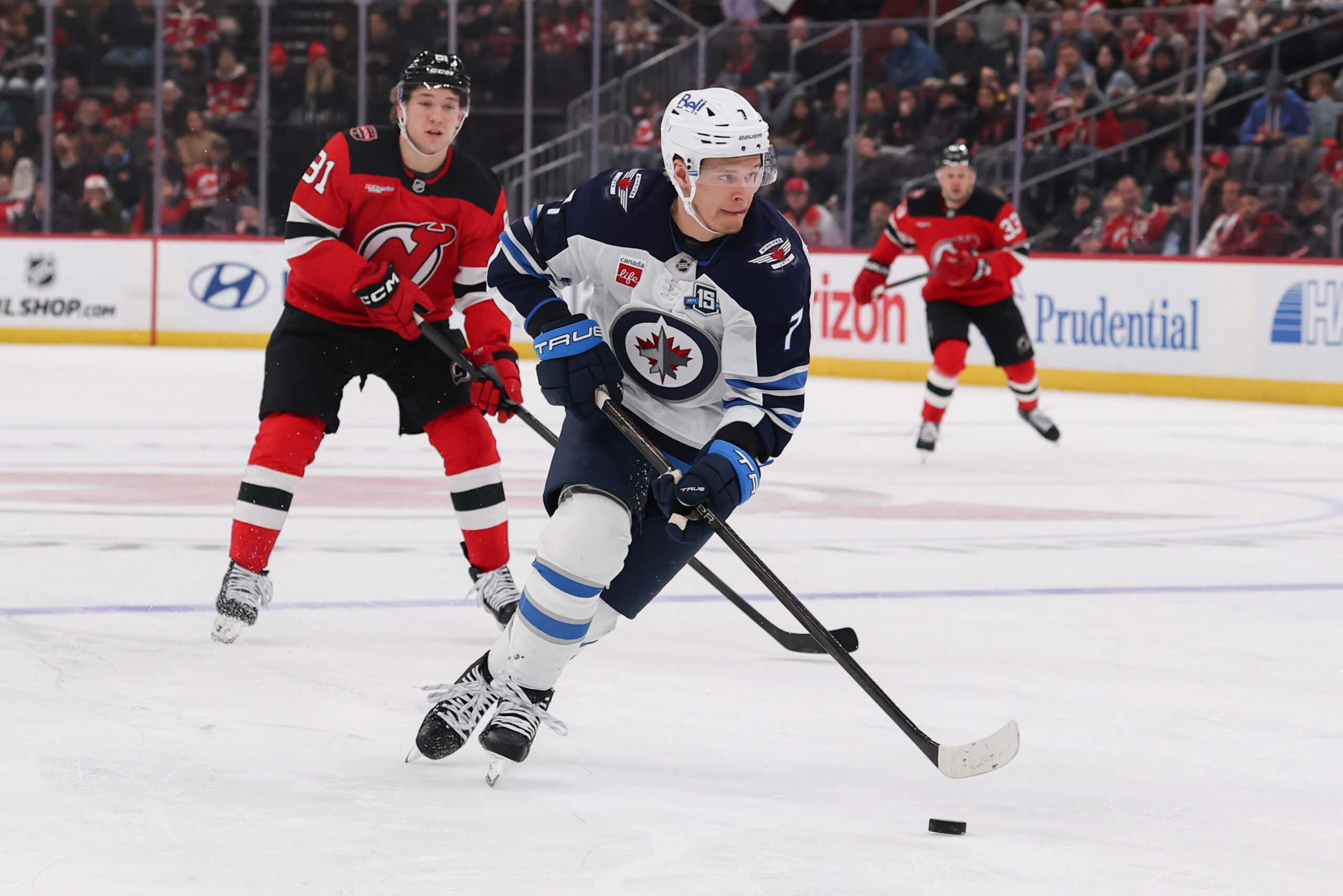
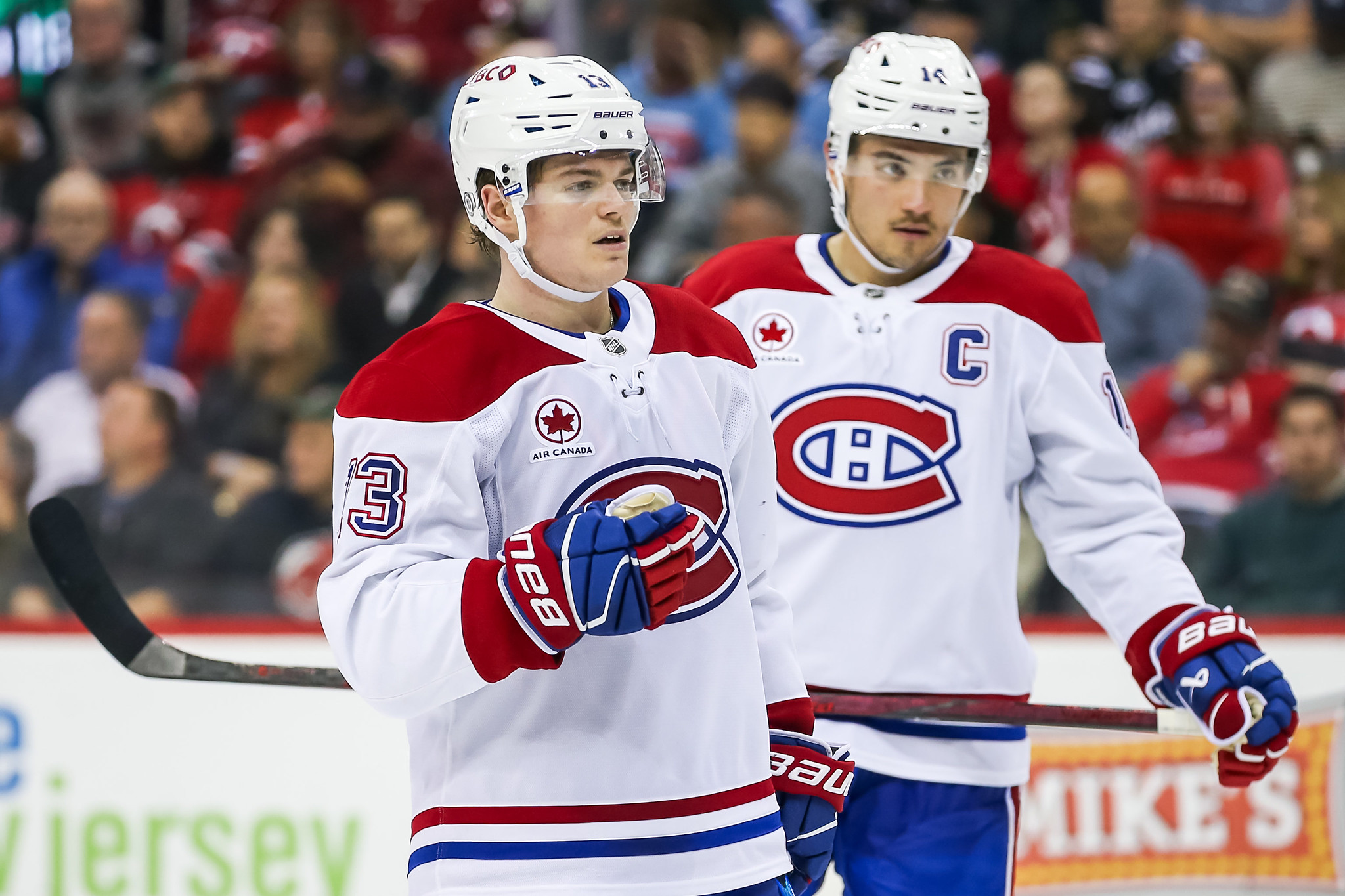
On the surface, the 2025-26 Toronto Maple Leafs and this season’s Ottawa Senators have more in common than either team would probably like to admit.
Both teams saw a core star player leave in an acrimonious fashion. Both departures came after months of speculation and were followed by significant media attention and fan backlash. Toronto eventually lost Mitch Marner just prior to free agency, while Ottawa’s situation was just as unpleasant. Brady Tkachuk, the Senators’ captain, asked for a trade after months of speculation that he wanted out, with his father and brother seemingly adding fuel to the situation through their Wingmen podcast.
Both teams lost a major piece of their core, leaving both fan bases wondering how their teams could possibly replace that talent. But there was also another, more optimistic theory among Leafs fans and media members when Marner left: perhaps losing him would actually make the team better. The thinking was that Marner had become an unwanted distraction, and that removing the noise surrounding him would lead to better chemistry, better morale, and, ultimately, better results.
That theory did not exactly age well.
Senators fans should be careful not to make the same mistake. Getting rid of a player who has become a source of controversy may improve the atmosphere around a team, but it does not magically replace the goals, scoring chances and offensive and defensive impact that player provided. Good vibes are nice, but not a substitute for production.
If Senators fans are looking for a lesson from Toronto fans, it should be this: do not confuse a less noisy locker room with a better hockey team. Removing the distraction is only useful if you can also replace what the player actually contributed on the ice; at the end of the day, the best contributor to good vibes and team camaraderie is winning.
However, this season’s Senators do not have to suffer the same fate as last season’s Maple Leafs.
The biggest reason is that Toronto had glaring underlying issues during the Craig Berube and Brad Treliving era that were masked by its core stars and very strong save percentages from its goaltenders. The 2024-25 Leafs ranked 23rd in expected goal share, 23rd in attempts for per 60, 26th in attempts against per 60 and 24th in breakouts.
Toronto was getting hemmed in on a nightly basis. The team’s stars were often left to capitalize on the very few quality chances the Leafs were able to generate. When one of those stars exited and was not properly replaced, the team’s underlying problems became even more difficult to hide. The result was a Leafs team that struggled even further and became a basement dweller last season.
The more concerning part for Toronto was what happened the previous offseason. Rather than addressing the technical problems that were clearly visible in their on-ice results, the front office and coaching staff appeared to learn the wrong lessons from the 2024-25 season.
The Leafs leaned further into a rope-a-dope style that allowed opponents to control play for extended stretches. At the 2025 Trade Deadline, Toronto added Brandon Carlo and Scott Laughton, before acquiring Dakota Joshua in the offseason. The focus appeared to be on adding physicality and toughness despite the glaring technical issues that had already existed in the team’s underlying numbers.
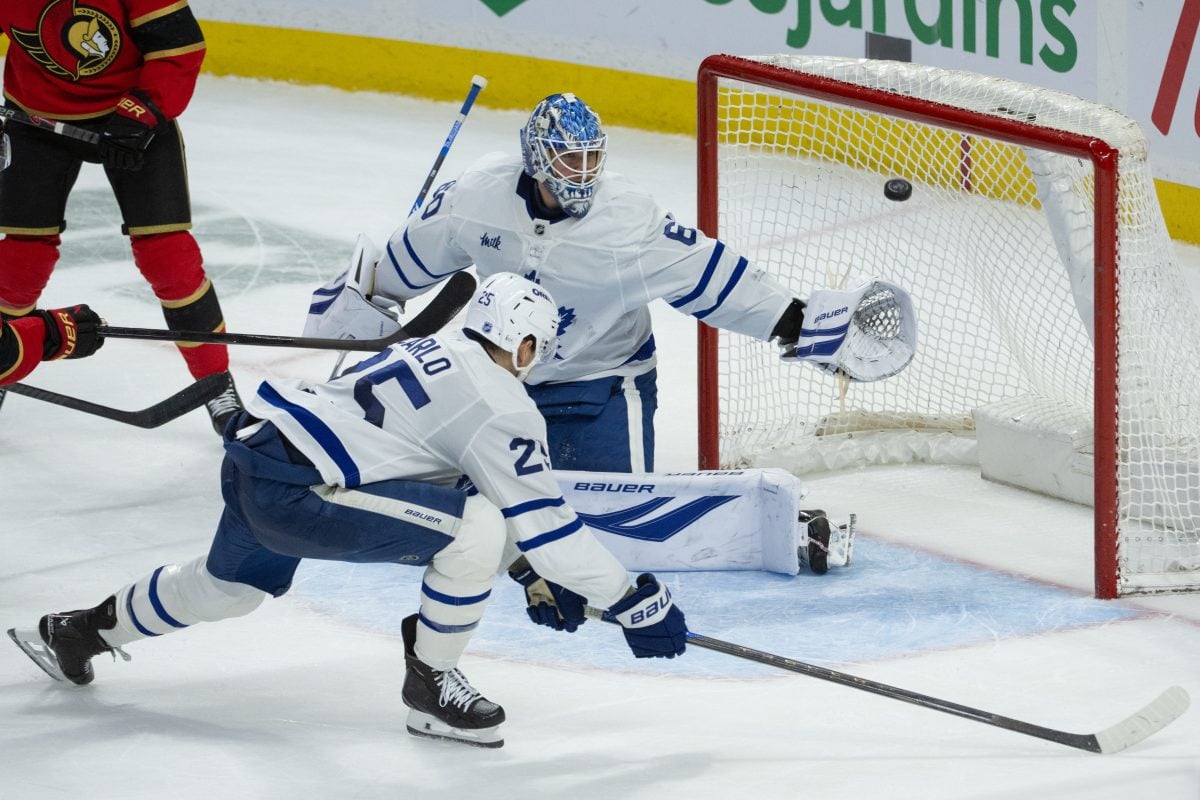
Ottawa is facing a similar challenge, but the foundation underneath the team is completely different.
The Senators had a system in place that produced excellent underlying results last season. They ranked third in expected goals, eighth in offensive-zone possession time, and first in even-strength defensive-zone retrievals. Ottawa was constantly on the attack, applying pressure and creating opportunities rather than relying on its stars to make something out of a limited number of chances.
That distinction could ultimately determine whether the Senators survive the loss of Tkachuk. Yes, those numbers will likely take a hit without him, but the Senators also received positive expected-goals and possession results from lines that did not include him.
That is a major difference. Ottawa does not appear to be completely dependent on one player to create offense, but have legitimate depth scoring and what could be a good, if not great, third line. That gives them more ways to replace Tkachuk’s production collectively.
The Senators also boast exceptional depth at centre with Tim Stützle, Dylan Cozens, and Shane Pinto. Stützle is an exceptionally dynamic talent who creates scoring chances at a very high rate, while also being one of the team’s most effective players at gaining the offensive zone. He averaged approximately 5.2 successful zone entries per game for a majority of the Senators’ games last season, highlighting just how much offense he can generate off the rush.
Behind him, Cozens finished among the top 40 players in the league in expected goals, giving Ottawa another legitimate offensive threat down the middle. Pinto and Ridly Greig also provide the Senators with real secondary scoring, giving the team multiple avenues to replace some of the offense lost with Tkachuk’s departure.
Ottawa Is Trying to Replace Talent, Not Copy Tkachuk
One of the most encouraging things about Ottawa’s offseason is that the front office appears to understand an important reality: There is no easy way to find another Brady Tkachuk. The Senators did not simply go looking for a traditional power forward and pretend that any big, physical winger could replace him.
Instead, they targeted talent.
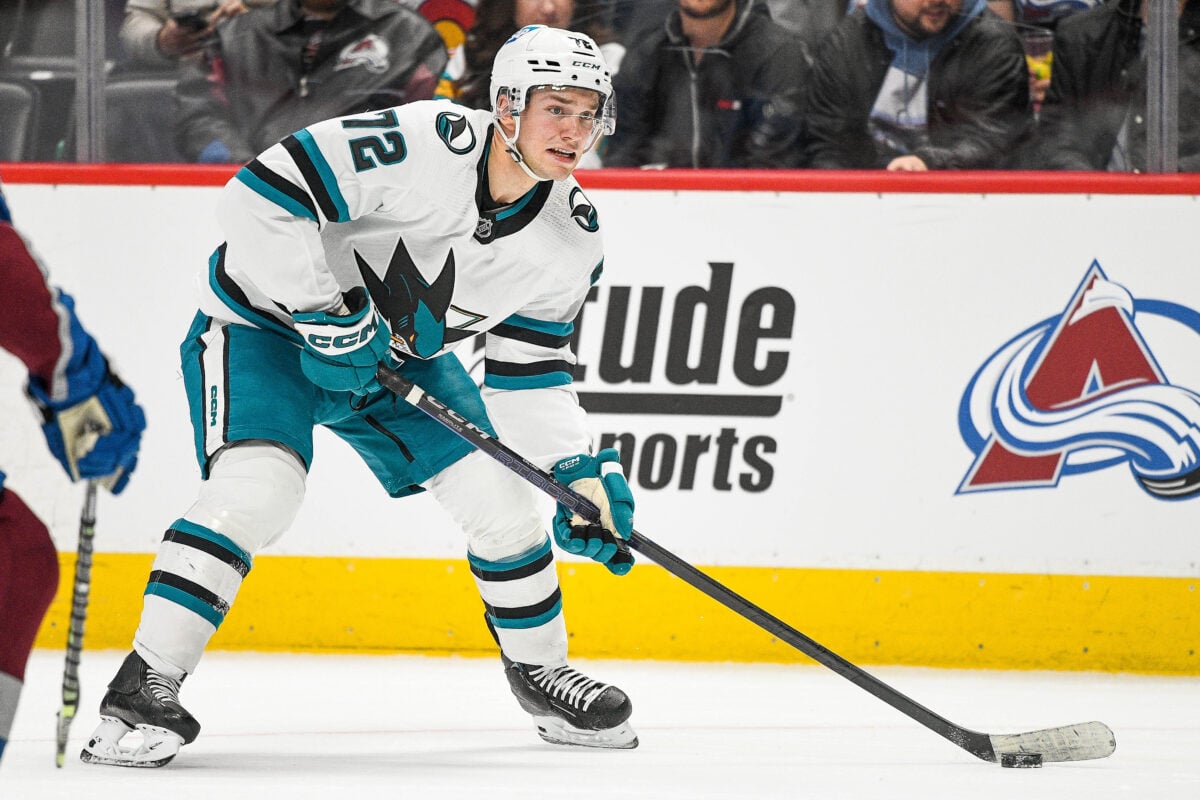
The acquisition of William Eklund is particularly interesting. Yes, the price was high. Ottawa gave up the ninth-overall pick to acquire him. But Eklund represents smart thinking from the Senators’ front office. At just 23 years old, he has already produced 50-plus points consistently over the last two seasons.
Ottawa did not try to find another player who plays exactly like Tkachuk because, frankly, there are not many first-line power forwards available who can replace him. Instead, the Senators bet on talent.
Eklund brings excellent playmaking ability to the lineup. He ranks in the 98th percentile in high-danger passes, which suggests he is one of the league’s best players at creating dangerous opportunities for teammates. That is a skill Ottawa can use.
He is also not terrible on the forecheck or in loose-puck recoveries. He is obviously not at Tkachuk’s level in those areas, but those parts of the game are not weaknesses for him either.
Eklund does not have to become Tkachuk. Trying to force him into that role would be a mistake. The Senators need him to bring his own skill set and help replace some of the offense.
Ottawa is essentially trying to replace Tkachuk’s value through a combination of different players and different strengths. That is a much smarter approach than trying to find a cheaper imitation of one of the league’s best power forwards.
I also like the Senators’ bet on Andrei Burakovsky. He is coming off a terrible season with the Chicago Blackhawks, so there is obvious risk involved. But the encouraging sign is that he still appears capable of playing a fast-paced game, ranking 80th percentile in 18-20 MPH speed bursts and the acquisition cost was very small. That makes him an interesting gamble for Ottawa.
Between Eklund, Burakovsky and the team’s existing young depth potentially taking another step, Ottawa appears to be trying to replace Tkachuk’s overall offensive impact rather than pretending one player can simply take his place.
The Verdict
The Senators do not have to follow the same path as the Maple Leafs.
Losing a star player will always create a significant hole, especially when that player leads your team in a lot of offensive categories. But Ottawa has something Toronto did not have when Marner left: a strong underlying foundation and a front office that appears to understand that replacing a star is about replacing talent, not simply trying to recreate the player who left.
The Leafs showed what can happen when a team loses elite talent without properly addressing the underlying problems that already existed. Ottawa has an opportunity to learn from that mistake.
The Senators do not need to become the Leafs. They do not need to find another Tkachuk, and they certainly do not need to build a team around simply being bigger or more physical. They need to continue doing what made them successful last season while finding different ways to replace the production and impact they lost.
No one needs to become Tkachuk, but collectively, they need to make up for what left with him.
That is the lesson Ottawa can take from Toronto. Losing a star does not automatically ruin a team. Failing to properly replace that talent while ignoring the problems underneath it can.
Free Newsletter
Get Toronto Maple Leafs coverage delivered to your inbox
In-depth analysis, breaking news, and insider takes - free.
Subscribe Free →