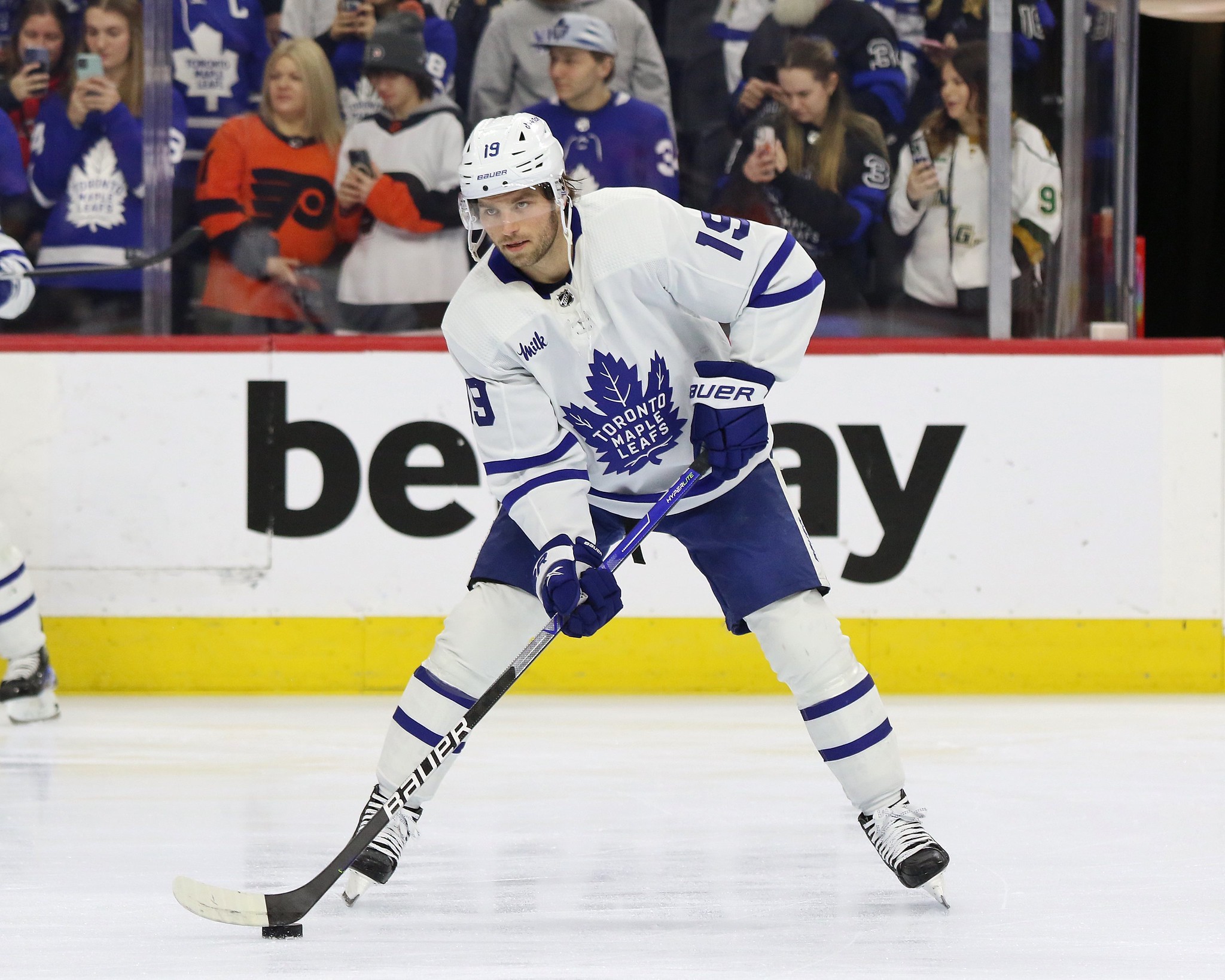
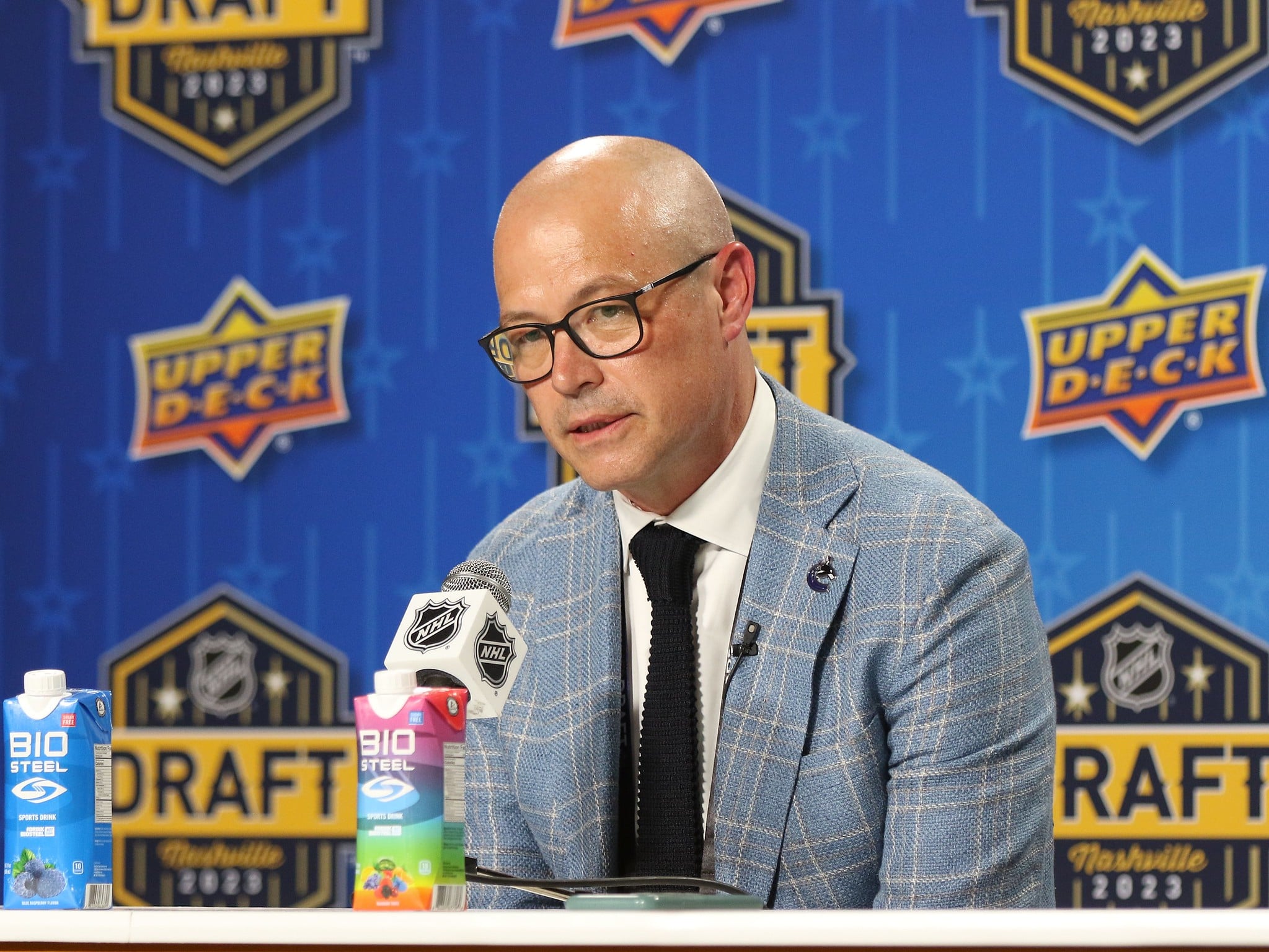
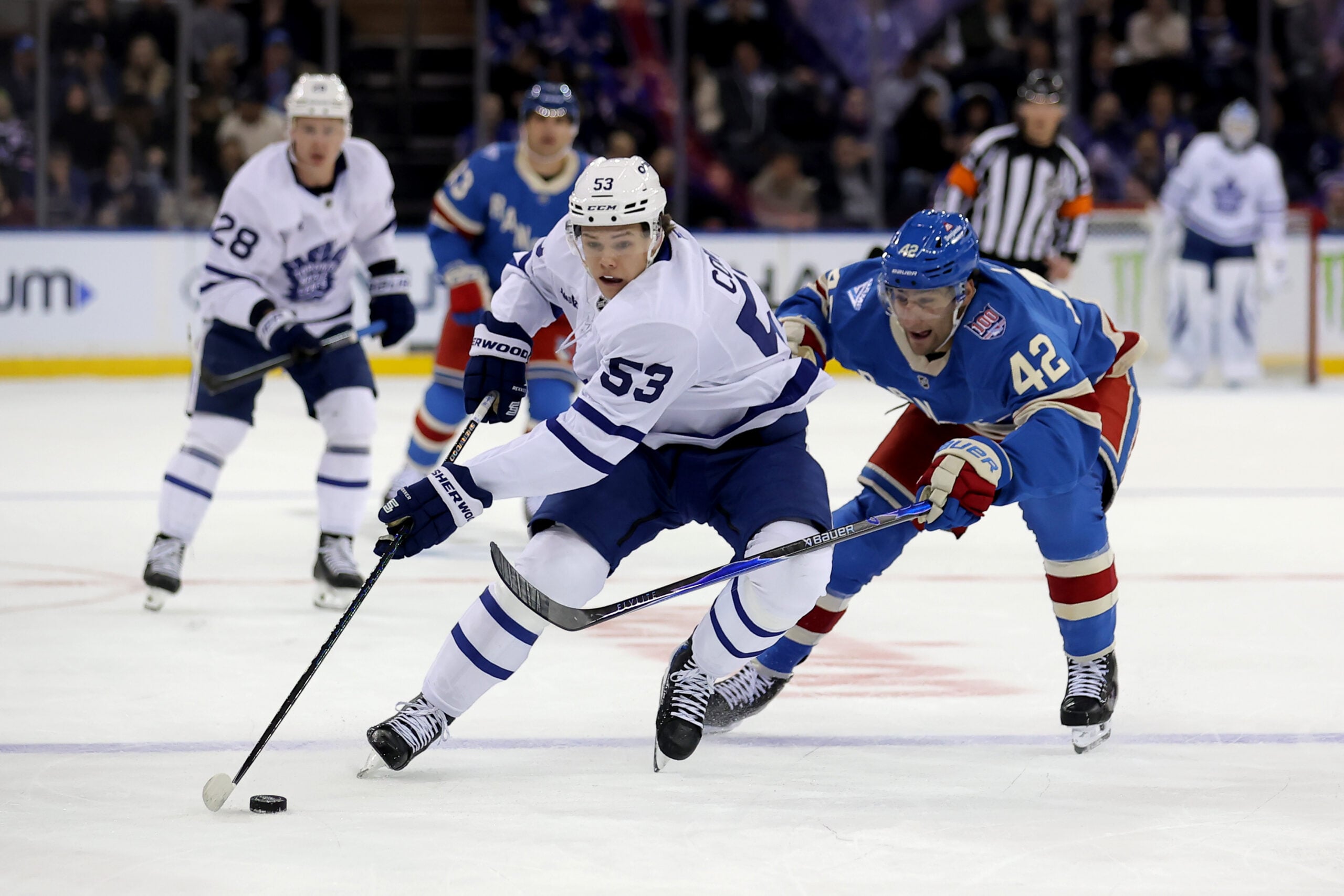
Preseason isn’t just about wins and losses—it’s a testing ground. Coaches experiment, prospects earn ice time, and veterans are carefully managed to avoid injury. Watching the Toronto Maple Leafs against the Montreal Canadiens, it was clear that this game was more about development and preparation than the scoreboard.
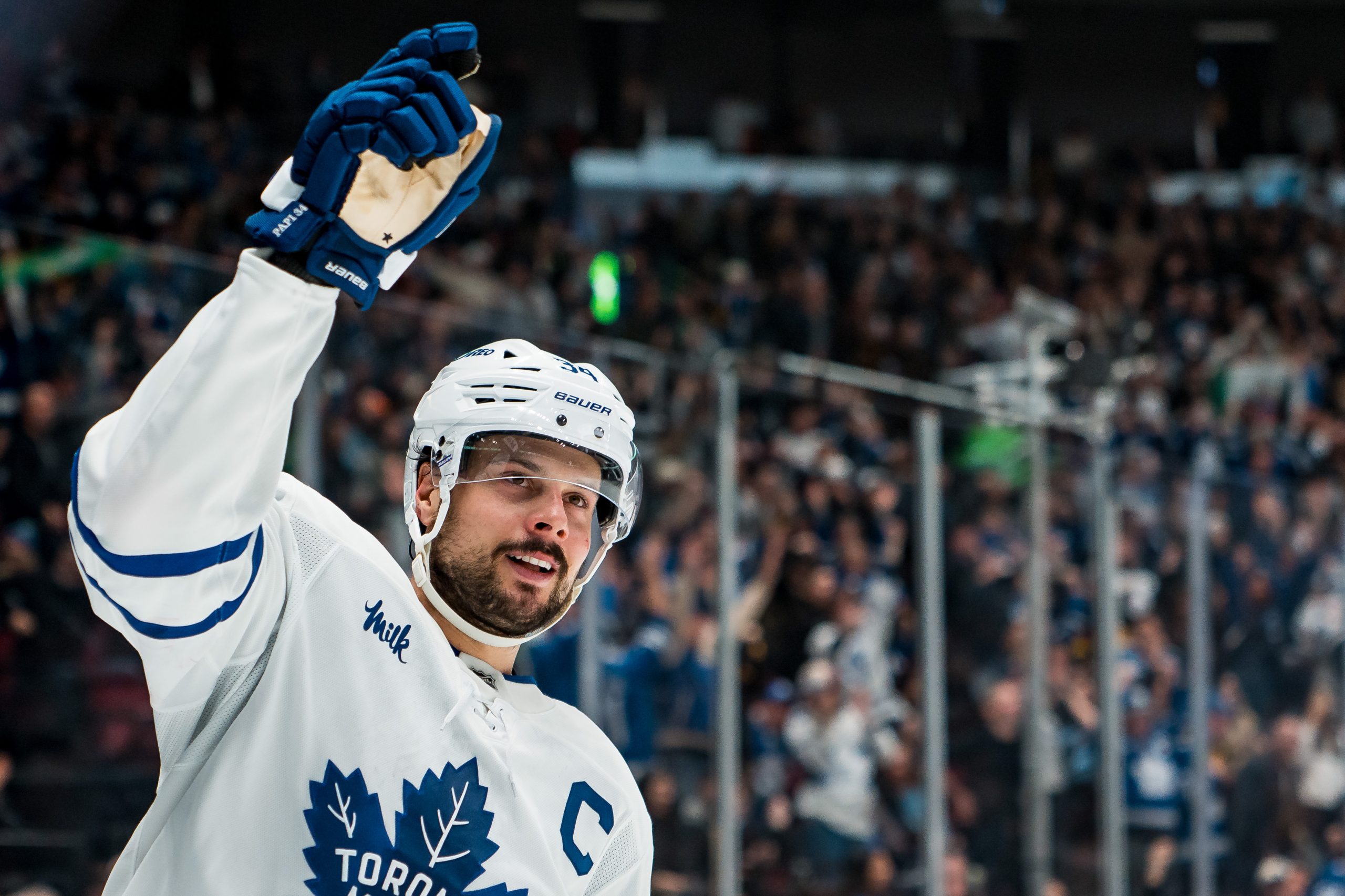
Auston Matthews Was “Managing” His Ice Time
Take Auston Matthews, for example. He didn’t play, which head coach Craig Berube called “managing” his ice time. He’s expected in one more preseason game, but it highlights a bigger trend: fewer preseason games next season—just four—with two extra regular-season matchups.
Related: Maple Leafs Sign Anthony Stolarz to 4-Year Extension
Teams are starting to ease their stars in, striking a balance between readiness and long-term health. Injuries aren’t hypothetical—look at Aleksander Barkov for the Florida Panthers (who underwent surgery Friday to repair injuries to his right ACL and MCL and will miss up to nine months). Barkov actually didn’t get injured in a preseason game; the injury occurred in practice. Marshall Rifai broke his wrist in a preseason game. Preseason risk is real, and the Maple Leafs are clearly trying to minimize it while still giving young players opportunities.
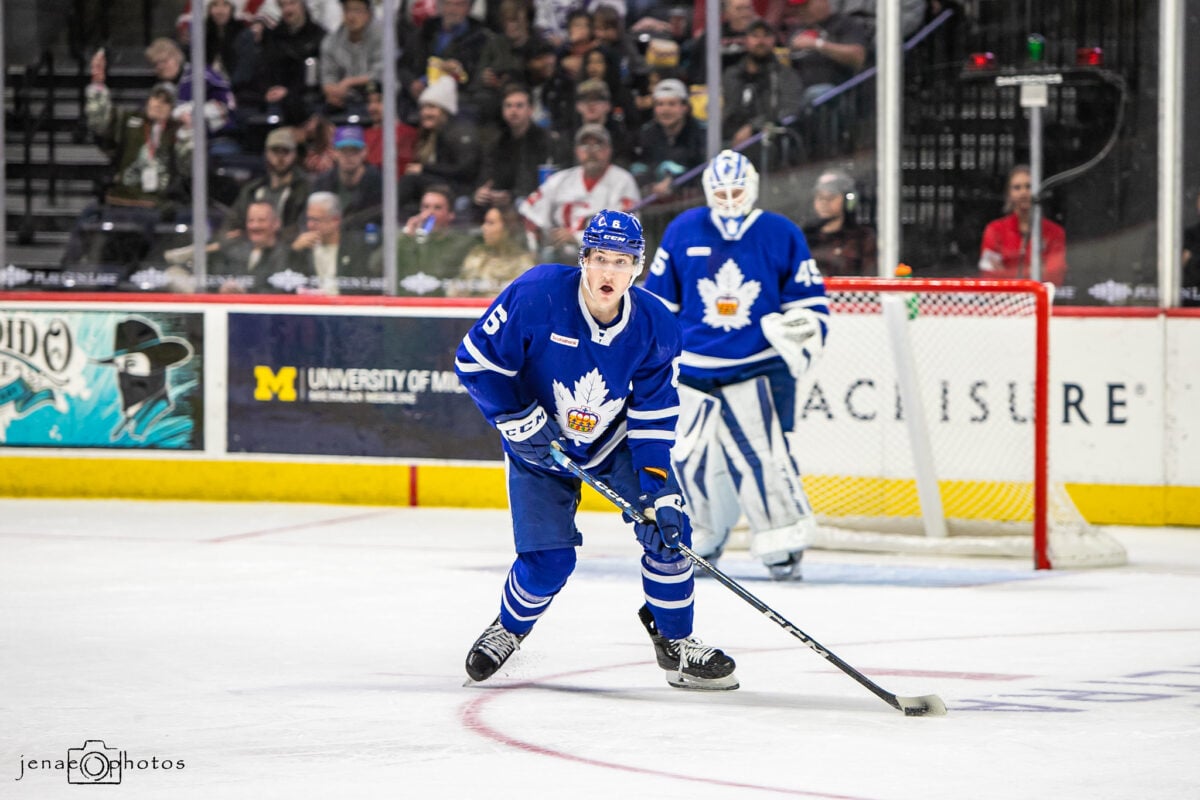
(Jenae Anderson / The Hockey Writers)
Speaking of player development, the game featured two groups with very different goals. Prospects and non-roster players were battling for attention, while the veterans worked on conditioning and preparation. One group is testing themselves in high-intensity scenarios, while the other focuses on pacing and avoiding injuries. It’s a delicate balance, and preseason offers the chance to see how both groups handle responsibility.
Player Observations From the Canadiens Game
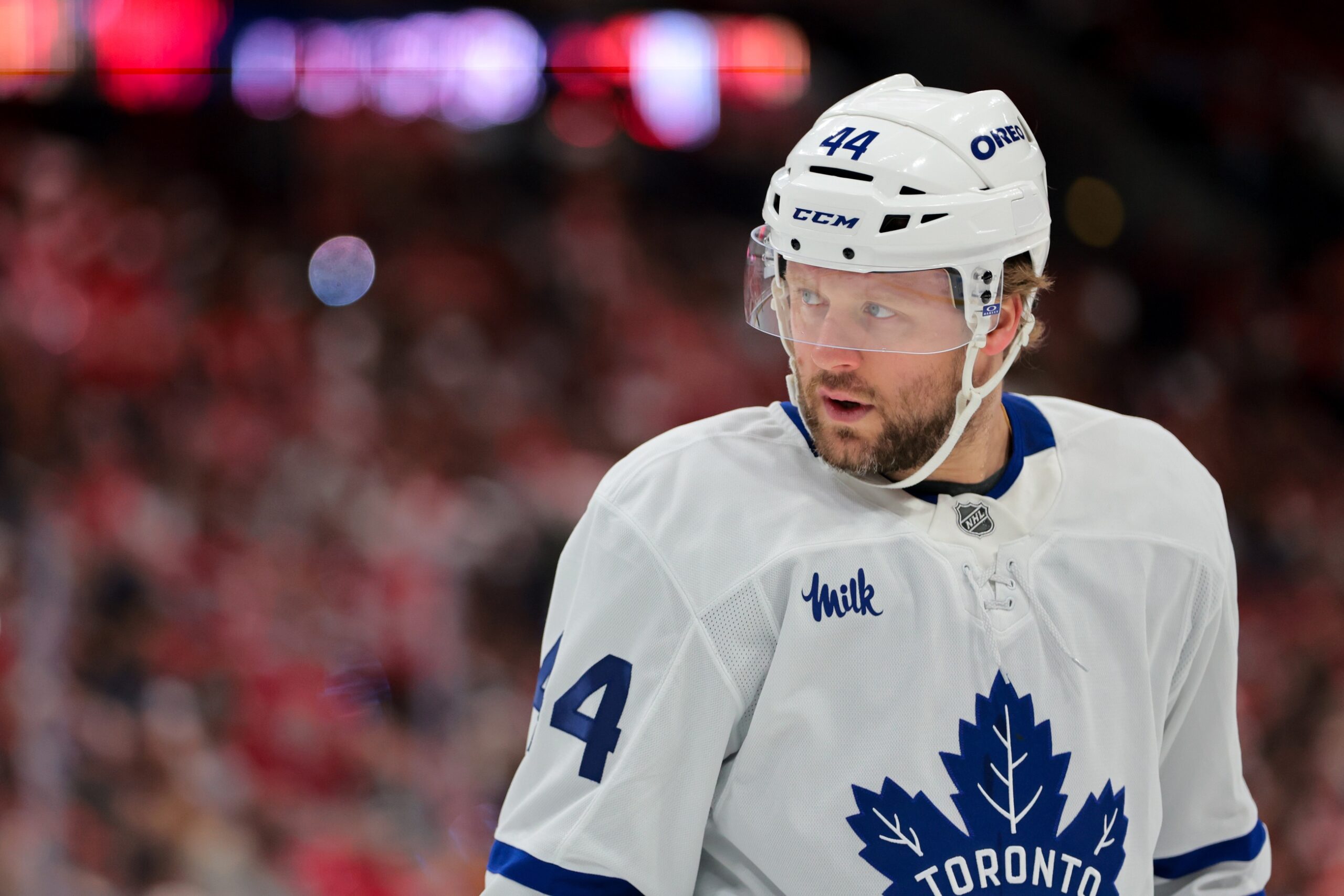
Matthews Knies was the standout player for the Maple Leafs. Logging 20:37—the most ice time of any forward—he carried the puck confidently, looking comfortable in his third NHL season. Watching him, it’s easy to see how his game could develop with the right linemates. If a bigger, hard-checking winger joins him, it could open space for Matthews to operate in the slot and Knies to make plays in front of the net.
Related: Toronto Maple Leafs’ 5 Best-Case Scenarios for 2025–26
At the other end, Calle Jarnkrok was nearly invisible. After a strong showing against the Ottawa Senators, this was a step back. He logged under 14 minutes and didn’t make the impact the Maple Leafs needed.
Valis and Robertson Make Positive Impressions
Recently signed right winger Borya Valis was a bright spot. The 21-year-old, undrafted and signed to a three-year entry-level contract (ELC) this summer, played 9:12, registered four shots, and one blocked shot. Coming off an 81-point Western Hockey League (WHL) season and a productive postseason, he brings size, physicality, and defensive awareness. He’s one to watch in the Marlies system this season.
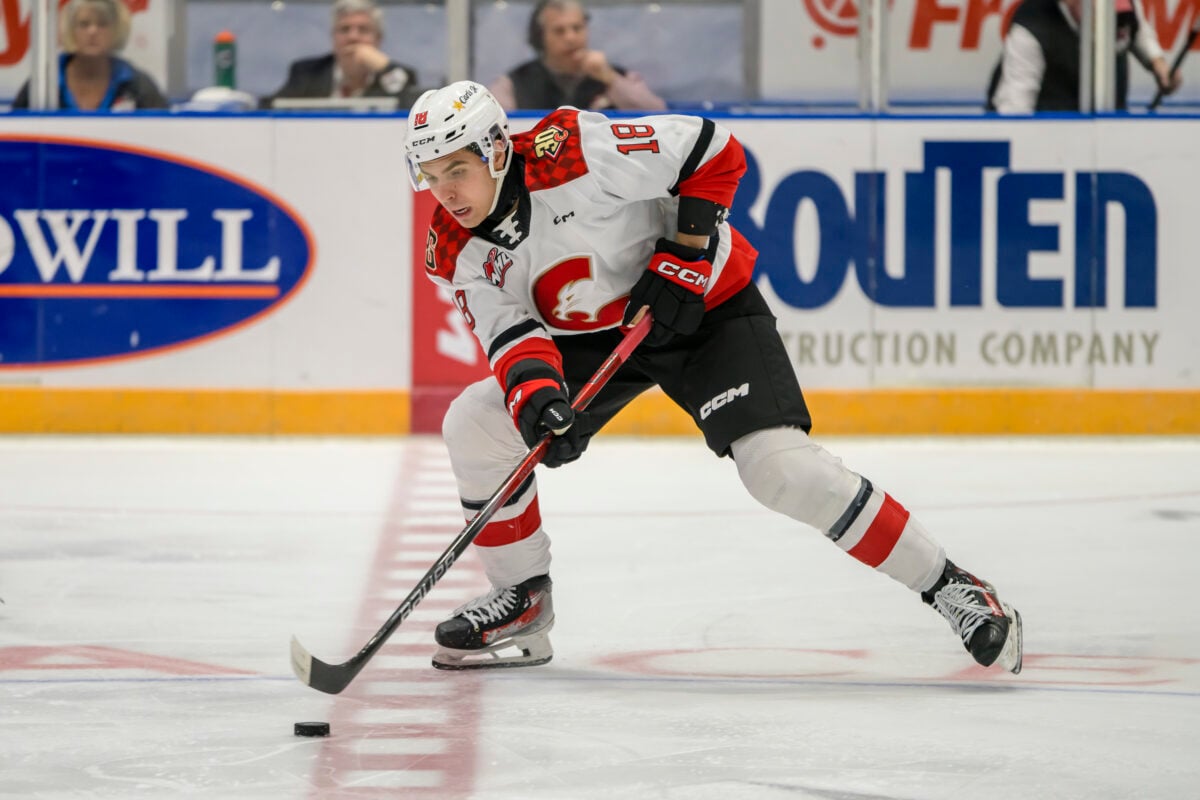
Nicholas Robertson also made a positive impression. Minus-2 in plus/minus, he had one misstep on a Montreal goal, but Craig Berube noted that he played a good game—a change from the usual “he can score goals” line. That’s a subtle nod to improvement and trust.
OEL and Rielly Flip Flop on Special Teams
On the back end, Oliver Ekman-Larsson logged 22:31, slightly more than Morgan Rielly’s 21:47. Despite Berube saying Rielly is his top choice for the first power-play (PP) unit, Ekman-Larsson saw slightly more time on the PP.
Related: Nylander, Marner, and the Flip Sides of Being a Maple Leafs Star
At the same time, Rielly played more on the penalty kill (PK). Preseason minutes aren’t definitive, but they hint at internal competition and the balancing act between veteran consistency and tactical experimentation.
The Bottom Line for the Maple Leafs
This game—and the preseason as a whole—is less about the score than about development, management, and role clarification. From veterans being eased into the season to rookies like Knies, Valis, and Robertson stepping into bigger roles, the Maple Leafs are using these games as a laboratory.
Wins are nice, but growth, readiness, and finding the right combinations will matter far more when the regular season starts.
[Note: I want to thank long-time Maple Leafs fan Stan Smith for collaborating with me on this post. Stan’s Facebook profile can be found here.]

Free Newsletter
Get Toronto Maple Leafs coverage delivered to your inbox
In-depth analysis, breaking news, and insider takes - free.
Subscribe Free →