- Reviewing Maple Leafs Changes Entering the 2020-21 Regular Season
- Difference One: The Team Got Older
- Difference Two: The Team Became More Methodical
- Difference Three: The Team Added Leadership That Won’t Be Pushed Around
- Difference Four: The Team Tweaked Its Goalies
- It’s Time to Create that Maple Leafs Omelet
Not everything is decided about the upcoming 2020-21 NHL regular season. Fans should be hearing further about how the NHL and the five Canadian provinces with NHL teams are working together to create a viable and safe format so that the NHL can return to play a new season. Rumors suggest that those decisions might be made early this week – maybe even today.
We do know that the NHL and the NHLPA officially came to terms on an agreement to begin a 56-game regular season yesterday. That’s step one. And, over the next two weeks or so, there will be a lot of “next” steps. Figuring all this out won’t be easy, but there seems to be a collective determination from the NHL to engage it; and, should one plan fail to work, then the next one will.
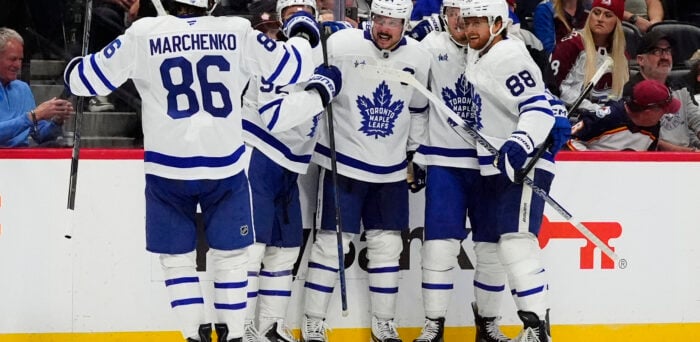
Among the many questions to be answered in the near future, the Toronto Maple Leafs have their own set of questions. Probably first among them are whether the move to change the team’s lineup was a wise move or not. The addition of the team’s new players might not represent a change in organizational philosophy, but the changes do represent a different group of players trying to make that on-ice philosophy work.
Reviewing Maple Leafs Changes Entering the 2020-21 Regular Season
In this post, I’ll look at some of these changes to speculate how they might impact the team. Late yesterday, after the announcement that the NHL and the NHLPA voted in favor of moving forward into a regular season, The Athletic’s NHL Staff wrote about the Maple Leafs new team strategy and asked the biggest question facing the team: “Will management’s dramatic overhaul pay off in success on the ice?” (from “Free-agent fits? Goalie issues? The biggest questions facing all 31 NHL teams, The Athletic NHL Staff, 20/12/20).
Difference One: The Team Got Older
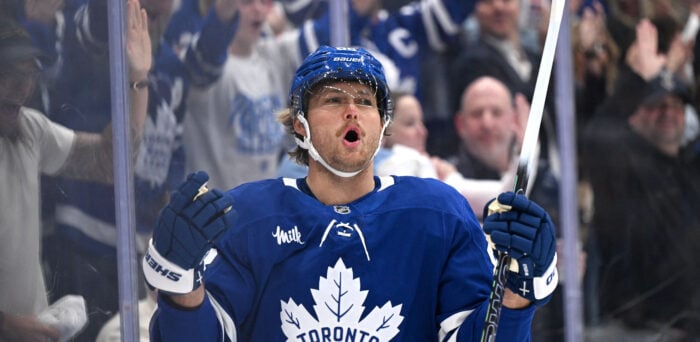
Considering the piece in The Athletic, as far as I can see it, the Maple Leafs made a number of changes. First, the team became older quickly with the addition of experienced NHL players such as Joe Thornton, Zach Bogosian, Wayne Simmonds, T.J. Brodie, and the re-signing of Jason Spezza.
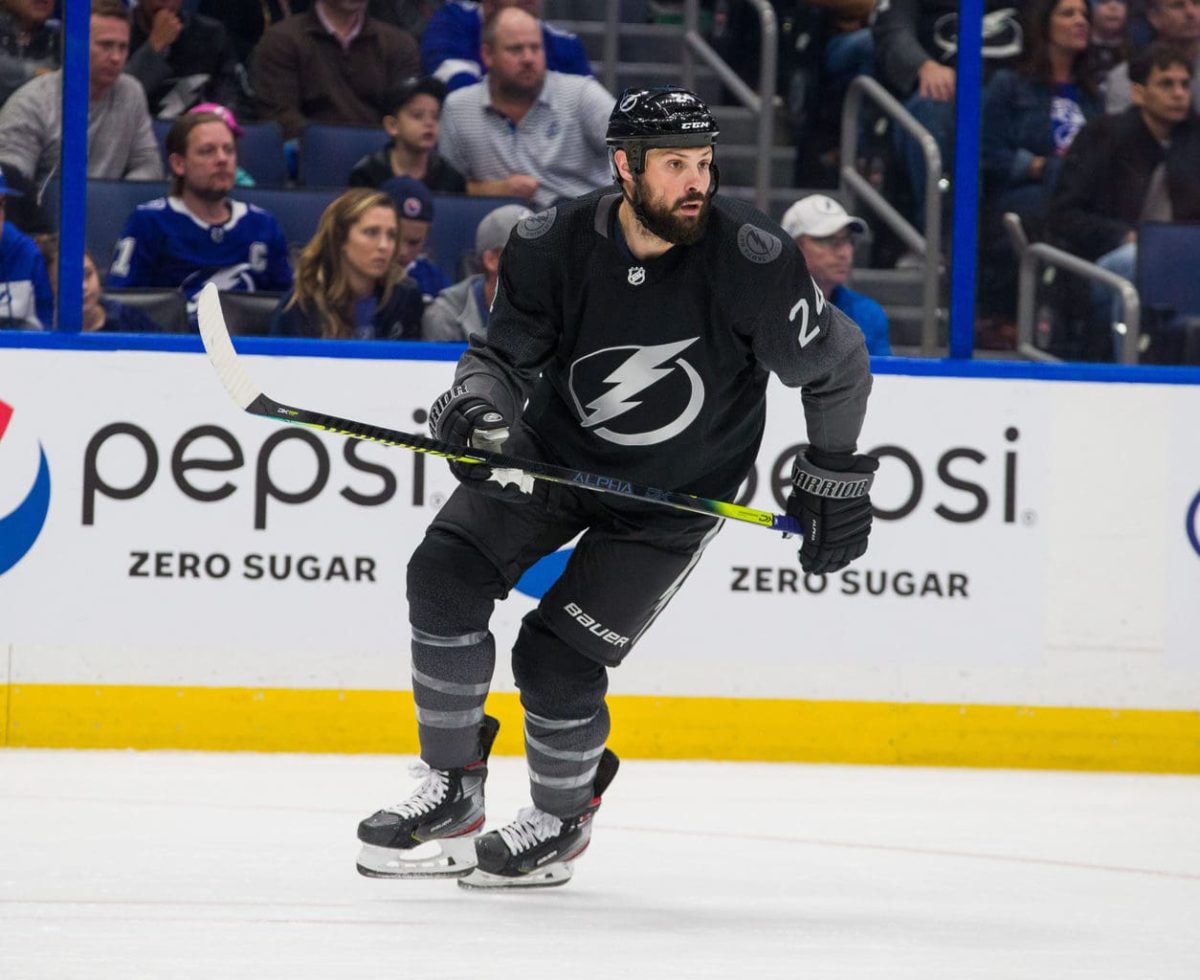
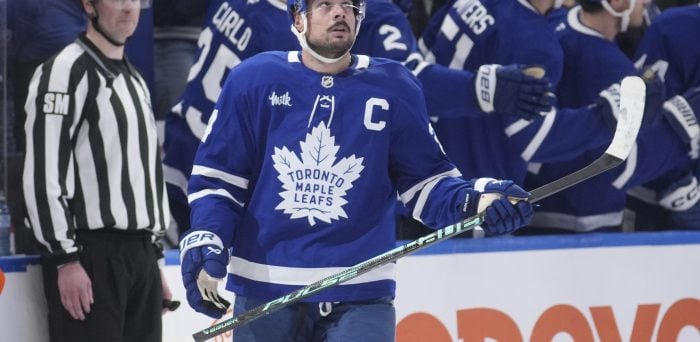
Actually, the team had been quite young prior to those changes. Other than only John Tavares and Jake Muzzin, who brought age and experience to the ice, the core of players was young. I, for one, celebrated the addition of age and speculated that it would add a dimension of distributed leadership to both the ice and the dressing room if head coach Sheldon Keefe were not too stubborn – unlike his predecessor Mike Babcock – to use that leadership.
I don’t think Keefe will spurn other leadership voices such as Thornton, Simmonds, Spezza, and Bogosian. That’s a difference this season.
Difference Two: The Team Became More Methodical
The team’s philosophy might still be to “out-skill” opponents, but to pull that philosophy off this new group of players will likely have to do it in a slower and more methodological way. Thornton might be one of the best playmakers in NHL history, but he certainly doesn’t play a helter-skelter game. I doubt he’ll be trying to outrace opponents up the ice.
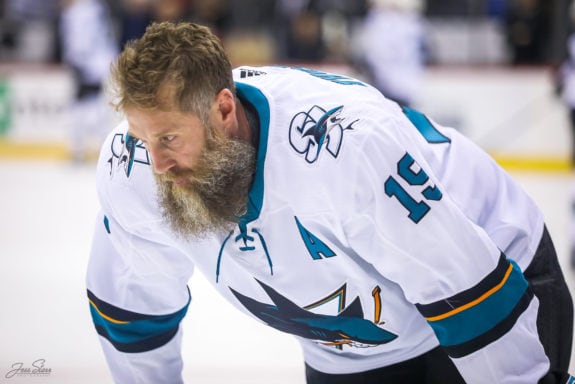
Thornton’s more systematic and, as I suggested, method(ical). He’ll play like a quarterback directing traffic and distributing the puck. His skills lend themselves less to quick entries as much as they do to systematic and organized movement. In other words, although the skill-based philosophy might not change the speed at which this philosophy might.
Difference Three: The Team Added Leadership That Won’t Be Pushed Around
With the new older players, the team obviously added experience; but, it also added a number of intangibles thought to be missing in past seasons. General manager Kyle Dubas added competitiveness and grit when he signed Wayne Simmonds and Bogosian. Perhaps Simmonds will become a bigger on-ice producer than Bogosian, but the stories I read suggest that both speak up in the dressing room and that can’t hurt the team at all.
The team has added leadership that shouldn’t be pushed around. For me, the defining moment of the postseason series the team lost to the Columbus Blue Jackets was not a bad goal that Frederik Andersen allowed, it was the collective mental groan when Muzzin was injured. What he brought was missed on the ice, and he almost seemed alone in doing it.
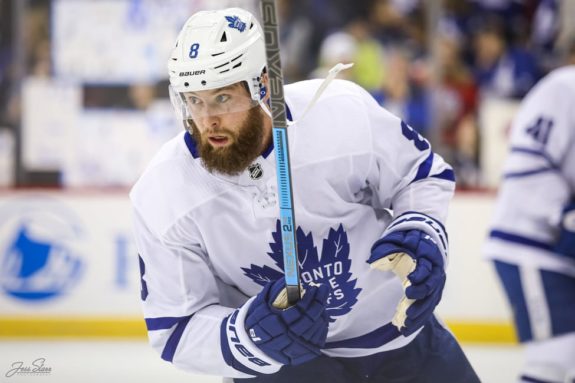
Dubas brought move of that “Muzzin-stuff” to the team. Specifically, I have to wonder if Dubas didn’t have that incident firmly in mind when he signed Bogosian.
Difference Four: The Team Tweaked Its Goalies
Speaking of Andersen, he’s the starter; he’s on an expiring contract; and, he’s playing for a new deal. The organization is counting on him to get over sloppy postseason goals and deliver a consistent season. He’s done it before, but this season it seems more crucial.
Perhaps it can be argued that the Maple Leafs didn’t really need changes in their goalie situation after Jack Campbell joined late in the 2019-20 season. He was an improved backup over Michael Hutchinson, but then the organization signed insurance-goalie Aaron Dell who also brings 107 games of NHL experience to the team.
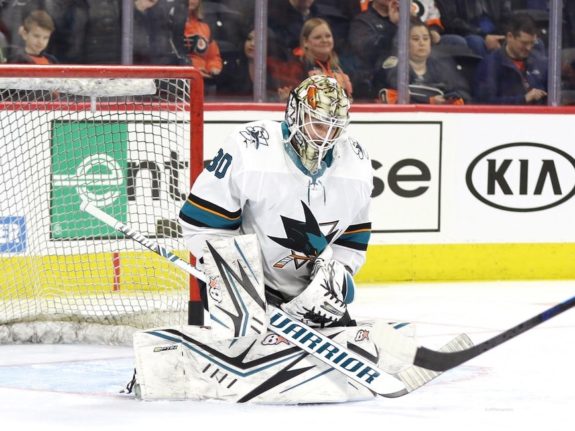
Given the announcement the NHL made yesterday that all teams carry three goalies on its roster and taxi squad, Dubas’ decision turned out to be wise. Did Dubas dream about what might happen? He seems to have set his team up well for this contingency.
It’s Time to Create that Maple Leafs Omelet
The Maple Leafs need this season to go well. Although it’s an odd season, it will still count in the team’s history. Nothing can be blamed on the situation; if things fall apart, they fall apart. If Humpty suffers a great fall, might there be a new group trying to put it back together again?
Did Dubas and the Maple Leafs make the right decisions and take the right approach during the offseason? Fans will soon find out as the Maple Leafs begin to plan their strategy during training camp. There might be a few more last-minute moves to make, especially given the creation of a taxi squad; however, this team is as ready as it can be to approach the season. The strategy has been set, and the players organized.
Now to see what happens.
Description:
Free Newsletter
Get Toronto Maple Leafs coverage delivered to your inbox
In-depth analysis, breaking news, and insider takes - free.
Subscribe Free →