The Montreal Canadiens have one game, against the Edmonton Oilers on Thursday night, before the March 7 NHL Trade Deadline, and they are legitimately in the playoff race.
Related: Canadiens Are Better Off Keeping David Savard at the Trade Deadline
Locking up Jake Evans for four more years says a lot about the Canadiens’ plans moving forward. While he is not a superstar, keeping Evans will not only have a positive impact on the ice, but it also sends a message to players around the league that they are a desirable location.
Canadiens’ Plan Moves Forward
Canadiens general manager (GM) Kent Hughes has indicated that management remains committed to their rebuilding plans, which is reassuring to a fanbase that bought into the rebuild when Hughes was hired. After almost three years, the club has made positive strides and will approach the NHL Trade Deadline in an unfamiliar position: competitive. GMs in the league are balancing a fine line between making the playoffs and waving the white flag. As RG reported, many teams that were expected to be sellers are not anymore, with Montreal looking more like cautious buyers every day.
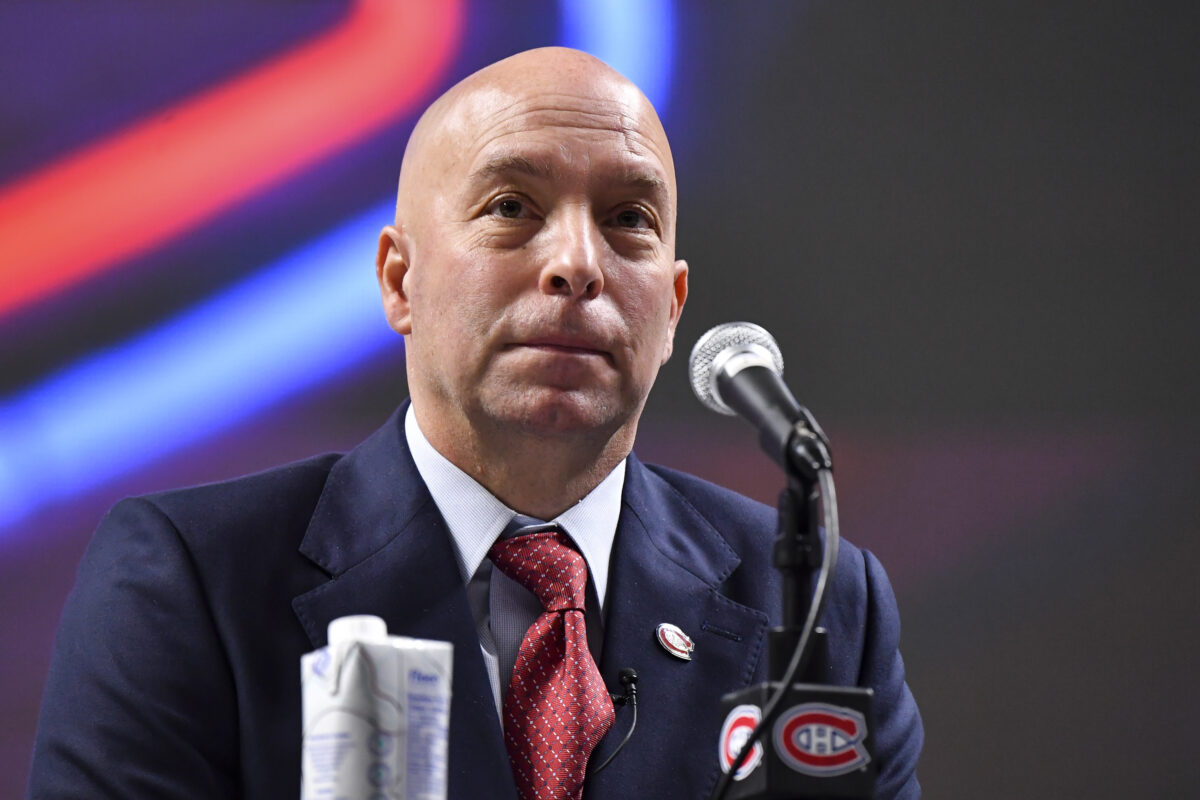
Hughes is smart. He does not give away first-round picks and has never moved a player out of Montreal that he considers part of his core. However, if there is an opportunity to add a player who fits in with the age and style of play who can help the core long-term, he is open to it. It is unlikely he will target a rental, but a player with term is a different story.
In his interview with Jimmy Murphy at RG.org, NHL agent Matt Keator said, “You have to look at your client if you’re an agent, and you have to look at your player if you’re a GM and where they fit.” As a former agent, Hughes understands how to navigate a trade deadline without being forced into a move that will handcuff the club moving forward, either due to overpayment or salary cap issues, or bring in a player that doesn’t fit with the team’s culture.
Canadiens Becoming a Destination
Evans’ contract is another example of Hughes identifying players he wants to graft onto the team’s core. While Hughes has taken chances on long-term deals, the Evans contract (worth 2.5% of the 2025-26 projected salary cap) also shows players will take below market value to be part of what the Canadiens are building. Other examples include Cole Caufield and Juraj Slafkovsky, who both received long-term contracts instead of bridge deals, gambling on the fact that they would reach their full potential – if they do, these contracts will be very team-friendly.
Pierre LeBrun on TSN’s Insider Trading confirmed that Evans took less money to remain in Montreal, stating, “Jake Evans could’ve done better on July 1st, but he didn’t want to leave, and it also speaks to perhaps the culture that Kent Hughes at the front office is building in Montreal where a player like him would forgo that opportunity and stick around.”
Taxes, the weather, language, and living in a fishbowl have historically worked against making Montreal a destination for players. But Hughes seems to have an excellent grasp of what makes players want to sign a contract. He is selling them on a vision of where the team is headed. When asked about his time in Montreal leading up to the Trade Deadline, Evans stated, “It’s such a fun place to play. It’s such a great place to live, and I’ve just really enjoyed it. It’s truly an honour. There’s so much tradition here, so many great players that have worn this great jersey with pride, and it’s truly an honour.”

The organization has also developed a reputation for treating their players well. State-of-the-art facilities, personal chefs, training programs, therapists and including families in decisions and activities have gone a long way to changing the Canadiens’ reputation as a dour, “beige” organization that did nothing to stand out. Under this management team, they have morphed into a modern club with a modern approach that better suits this generation of players.
The Jeff Petry situation is a perfect example. In the 2020-21 season, Petry requested a trade so he could be reunited with his family, who had moved back to Michigan during the pandemic, and before any trade could be made, Hughes brought his family to Columbus for a road game. Gestures like that have set Hughes apart and made him a GM that players trust.
Then, there is the future. Beyond having over a dozen top picks over the next few seasons, Montreal boasts one of the best prospect pools in the NHL. This summer, Ivan Demidov, a potential franchise player, is expected to join the club. Any unrestricted free agent (UFA) or player looking for a new environment will want to go where they can play with high-end talent, which Demidov is expected to become.
He also isn’t the only player attracting attention around the league. Lane Hutson, the 21-year-old defenseman, leads the NHL rookie scoring race. He has energized the Canadiens’ power play (PP) and is considered a future Quinn Hughes-type defender. He is a player who can boost a team’s offence and who offensive talents will want to play with.
Finally, Hughes can’t make Montreal a destination if he can’t afford to pay the players he wants to attract. Players who take slightly below market value to re-sign with the club show they want to be part of the organization and also provide more cap space for management to spend elsewhere. Hughes’ management of the salary cap is the final factor, not only to have the money to pay players but also to ensure there is enough depth to surround high-talent, high-salary players to ensure the team can be a Stanley Cup contender long-term.
Nearly every move Hughes has made has had a positive impact on the club. With the deadline fast approaching, he has given the players a vote of confidence by retaining Evans and signalling that Montreal is not selling. Evans’ contract also signals to the rest of the league that Montreal is a desirable location, which may not mean anyone will be added by March 7, but players on expiring contracts will take notice.
