The Ottawa Senators are quickly approaching the point where indecision becomes a choice. According to TSN’s Darren Dreger, the Senators have roughly seven to 10 games to determine whether they’ll be buyers or sellers ahead of the trade deadline. That window matters — not just because of the standings, but because it will dictate how aggressively general manager Steve Staios operates in his first season steering the franchise.
Staios’ presence at the recent Vancouver Canucks–Montreal Canadiens game only added to the speculation. Scouts don’t attend matchups like that for fun, and one name in particular has begun circulating as a potential fit: Canucks winger Kiefer Sherwood, a pending unrestricted free agent (UFA). But before Ottawa gets aggressive, the Senators have to prove they belong back in the playoff conversation.
Senators Season on the Brink
The Senators’ situation is familiar — frustratingly so for their fan base. Once again, Ottawa sits in the murky middle of the Eastern Conference, close enough to the wild-card race to justify hope, but inconsistent enough to raise doubts about whether the core is ready to take the next step.
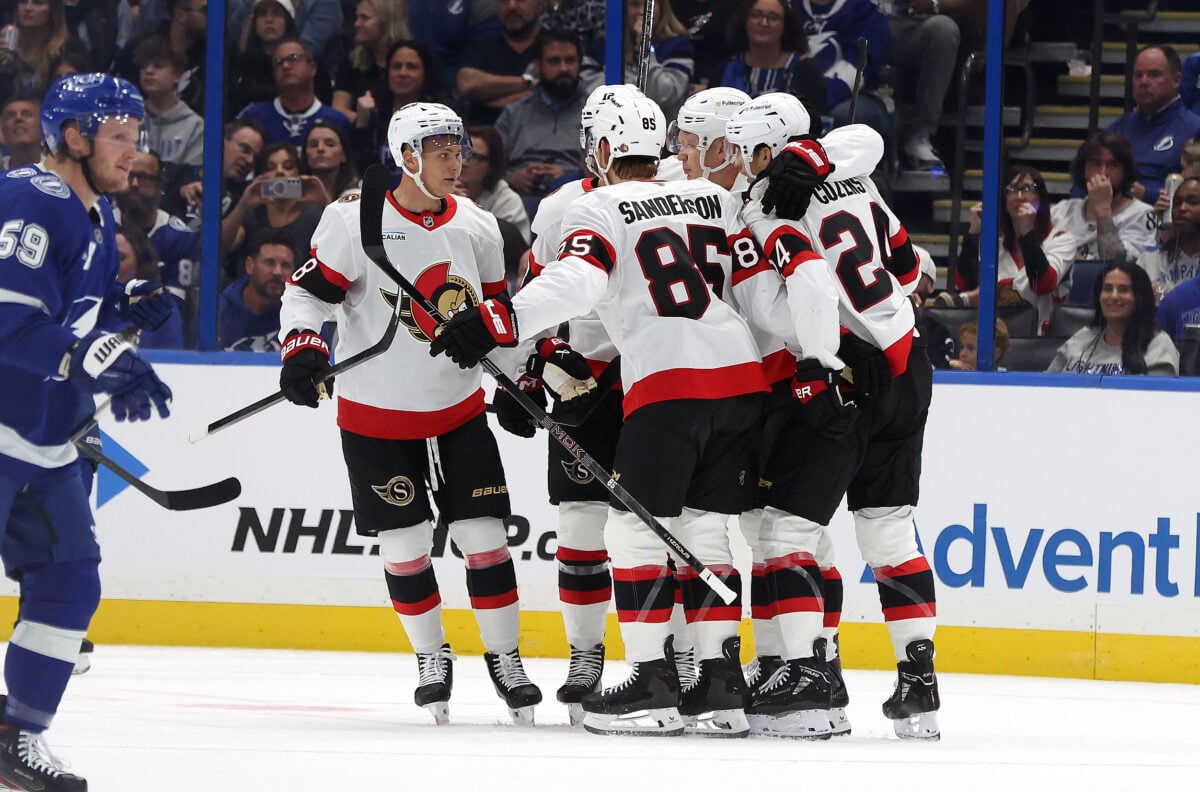
Issues with injury, inconsistent goaltending, and defensive play have been factors, but the larger problem is one of identity. At times, the Senators have a potent combination of speed and skill that can overwhelm an opponent. At other times, it is unclear how they gain offence. For that reason, the upcoming games are very important. If the Sens can get back into the hunt, Staios has the green light. But if they are not winning, then they should consider selling.
What Buying Would Look Like for Senators
If Ottawa chooses to buy, it won’t be a reckless, all-in approach. This isn’t a Cup-or-bust roster. Instead, the focus would be on targeted additions that address specific needs without compromising long-term flexibility. Sherwood fits that mould.
Related: Senators Sending a Mix of Leadership & Youth to the Olympics
The 28-year-old winger brings speed, physicality, and versatility — traits Ottawa is lacking in its bottom six. He can play up and down the lineup, kill penalties, and inject energy into games where the Senators struggle to establish momentum. As a pending UFA, his acquisition cost wouldn’t be exorbitant, making him an appealing option if Ottawa wants to upgrade without sacrificing premium assets.
Beyond Sherwood, management could also explore depth on defence or another middle-six forward who could stabilize lines rather than headline them. The key would be to complement the existing core, not reshape it.
Risk of Standing Still at NHL Trade Deadline
What Ottawa cannot afford to do is nothing. They are at a stage where perpetual evaluation is counterproductive. Players feel it. Coaches feel it, and fans certainly feel it. If Staios waits too long and the team drifts out of contention without a clear direction, Ottawa risks wasting another season stuck between rebuilding and competing.
That’s why Dreger’s timeline matters. A defined window forces accountability — both for the roster and management. Either the Senators prove they’re worth investing in, or Staios pivots to asset management.
If Selling Becomes the Answer for Senators
While buying remains the preferred outcome, selling isn’t an admission of failure — it’s a recognition of reality. If Ottawa falls flat over the next stretch, moving expiring contracts or fringe pieces for future assets would be the prudent move. Stockpiling picks or young depth would give Staios more flexibility this summer, especially as the organization takes a hard look at which pieces of the core are truly untouchable.
Selling doesn’t mean tearing down; it means adjusting the timeline and refusing to chase marginal gains when the foundation isn’t ready.
Staios’ First Defining Test
This decision window represents one of the first true pressure points of Staios’ tenure as general manager. Inherited rosters don’t allow for immediate overhaul, but they do demand clarity. How Staios navigates this stretch — whether by adding calculated help, holding firm, or pivoting toward the future — will set the tone for how Ottawa operates under his leadership.
Scouting trips, league chatter, and internal evaluations all suggest preparation is underway. The question is whether the Senators give their GM a reason to pull the trigger.
Senators’ Clock Is Ticking
The next seven to 10 games aren’t just another stretch on the schedule — they’re a referendum. Win, and the door opens to meaningful additions that could push this group forward. Lose, and the focus shifts toward protecting the future rather than chasing the present.
Either way, time is no longer on Ottawa’s side. The league is watching, the deadline is approaching, and the Senators must decide who they are — buyers, sellers, or something in between. What they choose may define not just this season, but the direction of the franchise moving forward.
